Here are the basics of what to have in your medicine cabinet for routine care and emergencies. Before purchasing medications/supplements, make sure you are able to store them properly and frequently go through what you have acquired to ensure nothing is expired. For minor wound care and minor abrasions (all major wounds should be assessed byContinue reading “Medicine Cabinet”
Category Archives: Chicken Vet Corner Files
Vent Gleet (Cloacitis)
Cloacitis aka Vent Gleet is the inflammation of the cloaca caused by bacterial, viral, mycotic or parasitic infections. It can affect the gastrointestinal, reproductive and/or renal/urologic systems. Symptoms may include Causes Treatment If it’s a simple fungal cause, you can do the following home treatment and if there is no improvement in 3-4 days, youContinue reading “Vent Gleet (Cloacitis)”
Cloacal Prolapse
Cloacal prolapse is when the inner tissues of the cloaca protrude from the vent, exposing the intestines, cloaca and/or uterus. The cloaca is comprised of compartments: the largest is the coprodeum, the smallest is the urodeum, and the proctodeum. The coprodeum is responsible for communicating with the distal colon, the urodeum communicates with the distal uretersContinue reading “Cloacal Prolapse”
Mites and Chickens
There are 9 species of mites that can affect various species of poultry. Some are more common than others. Mites, for the most part are species specific, so while they may hop a ride on you or another animal (some do bite), they will not take up long term residence. Treatment The only approved productsContinue reading “Mites and Chickens”
Lice and Chickens
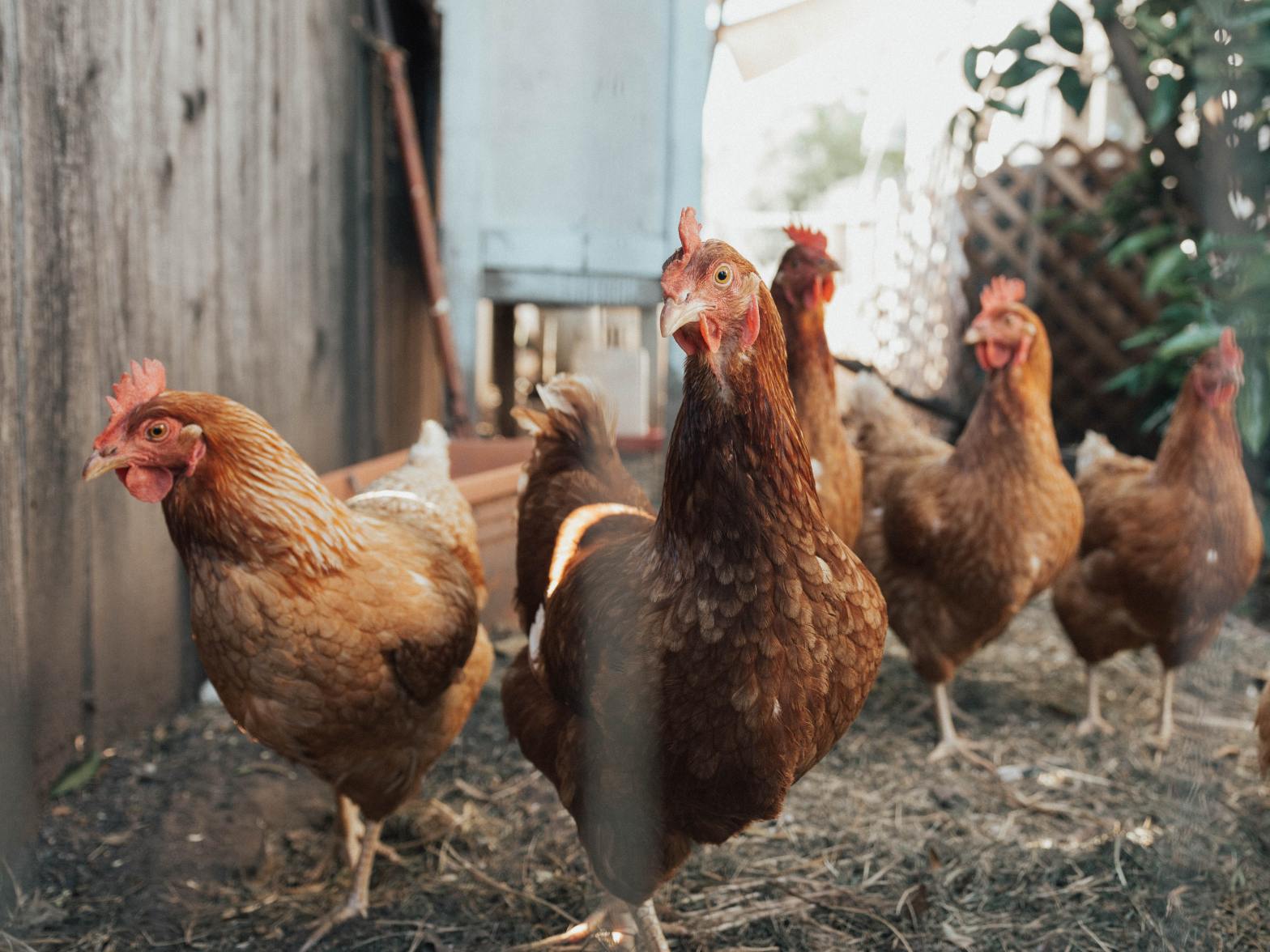
There are many species of lice that affect various species of poultry and waterfowl, some are more common than others. Avian lice, which belong to the order Mallophaga, have a life cycle of ~3 weeks and normally feed on bits of skin or feather products. Lice may live for several months on the host butContinue reading “Lice and Chickens”
Coccidiosis
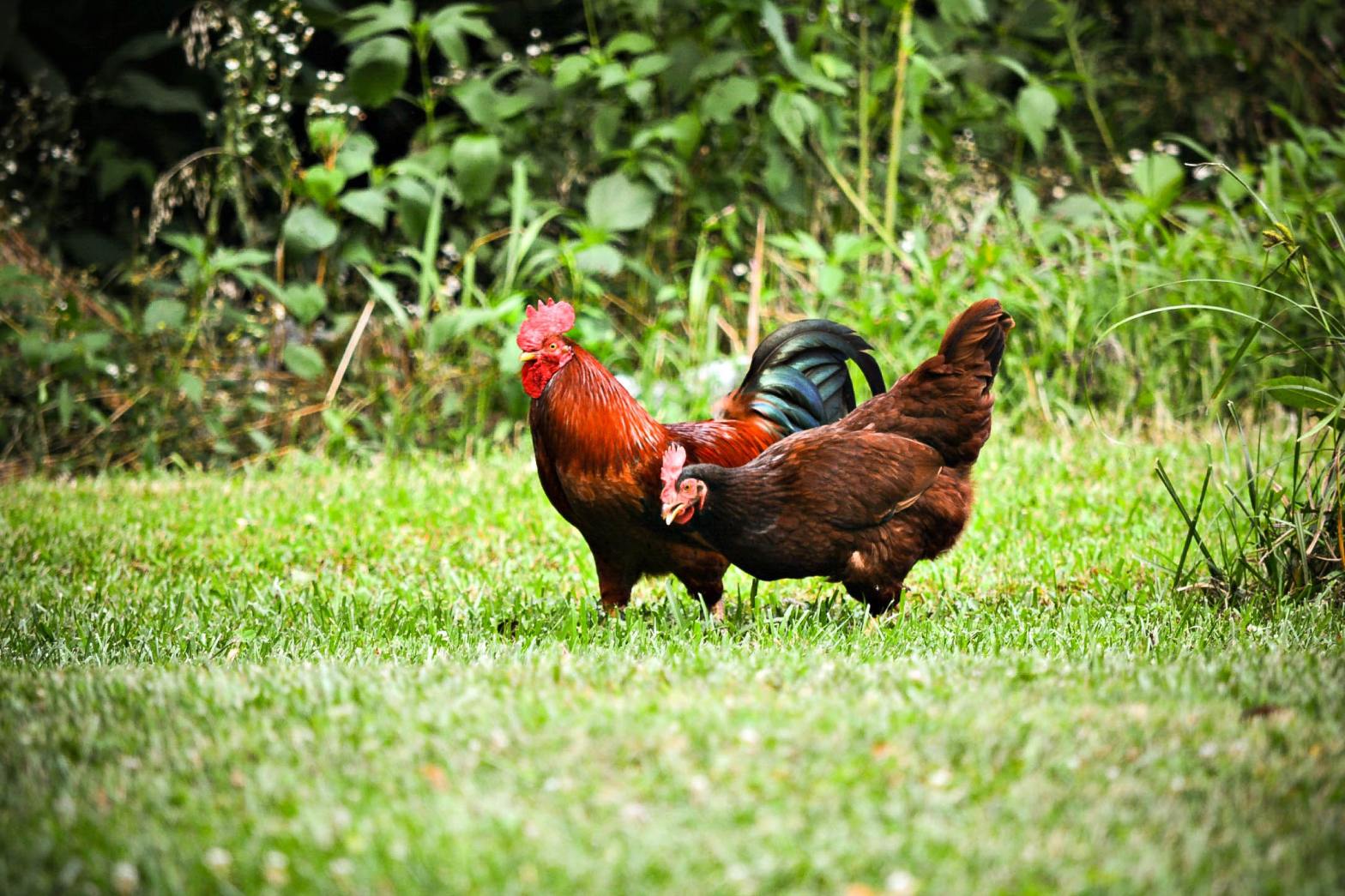
Coccidiosis is caused by a one celled parasite of the genus Eimeria. There are 7 strains of Eimeria that can affect chickens and 4 that affect turkeys. Chicken Coccidia species: Eimeria acervulina, Eimeria maxima, Eimeria tenella, Eimeria necatrix, Eimeria mitis, Eimeria brunetti, Eimeria praecox Turkey Coccidia species: Eimeria adenoeides, Eimeria meleagrimitis, Eimeria gallopavonis, Eimeria dispersa The lifeContinue reading “Coccidiosis”
Fowl Pox
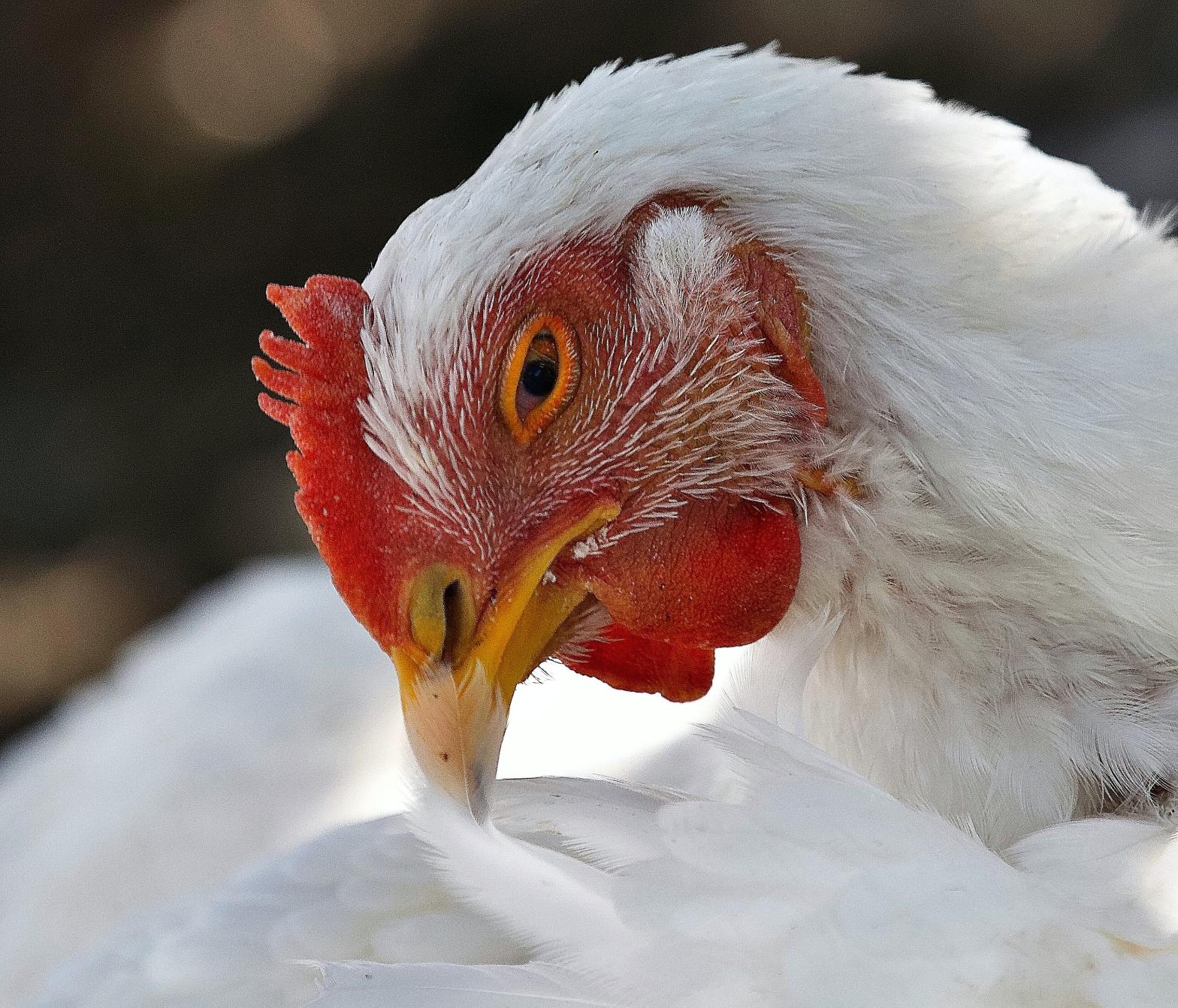
Fowl pox is a viral infection that affects chickens and turkeys. It is slow spreading. There are 3 forms of fowl pox: Cutaneous (dry pox), Diphtheritic (wet pox) and Systemic. Fowl pox is world wide, but more prevalent in warm, high humidity areas and areas where there is a high population of mosquitoes as theyContinue reading “Fowl Pox”
Splay Leg

Splay leg is a condition of the musculoskeletal system that affects the coxofemoral joint, femur, stifle joint, tibiotarsus, tarsal joint, and/or tarsometatarsus. This causes one or both of the chicks legs to “splay” to the side and makes it so they cannot stand upright. Splay leg has several causes and for the best prognosis, properContinue reading “Splay Leg”
Chicken Eye Sight
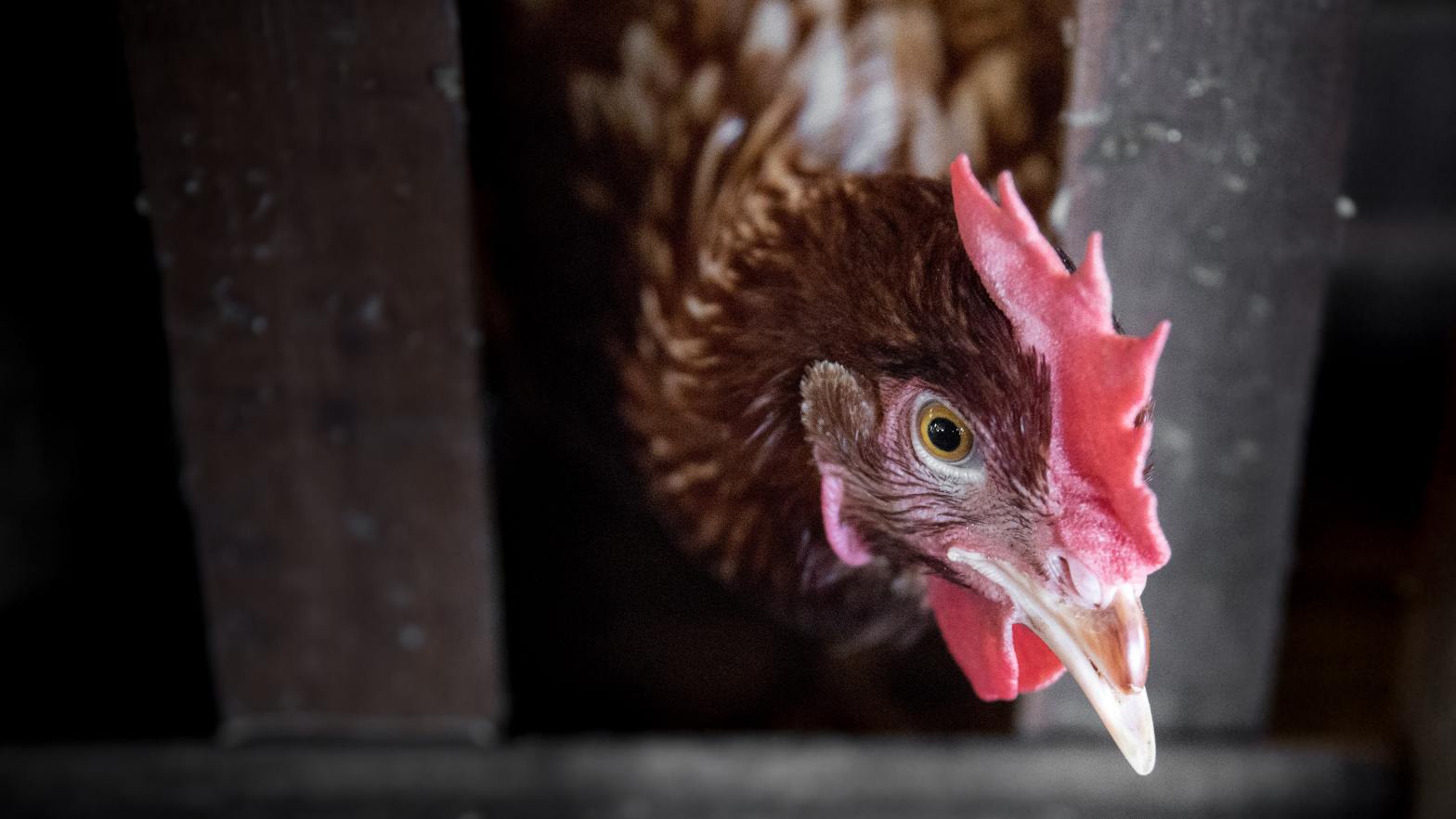
Chickens see in tetra-chromatic (they can see red, blue and green light as well as ultraviolet light). They can also see 300 degrees. They see more colors and shades than humans. They have mono-vision – the left eye is far sighted and the right eye is near sighted. They use their left eye to watchContinue reading “Chicken Eye Sight”
Medicated Feed
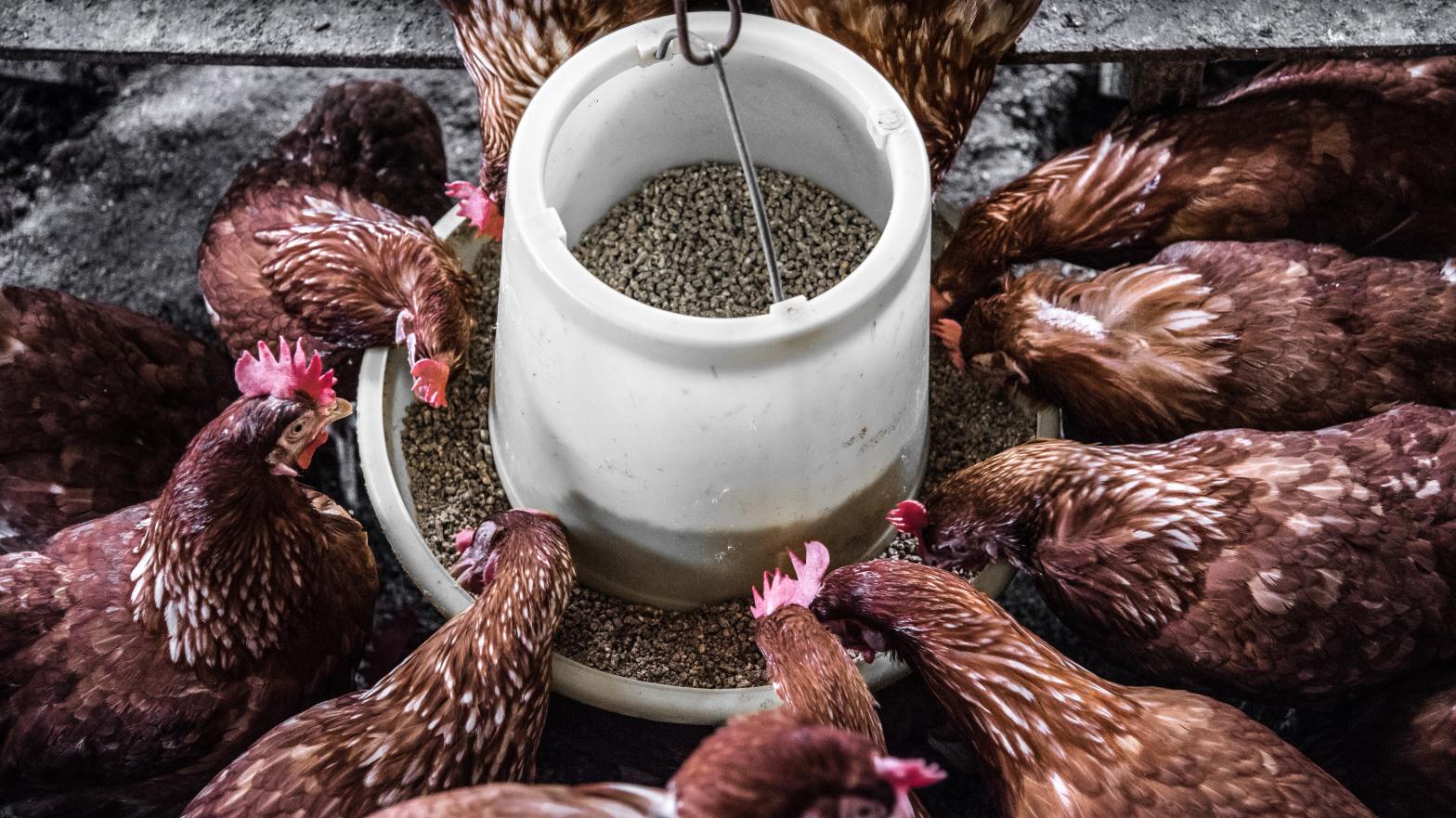
One of the biggest myths floating around the internet is that medicated feed is toxic to waterfowl and no scientific data to back it up. The most common and readily available medication in feed (most often found in chick starter) is Amprolium. Amprolium is safe for waterfowl as long as it is fed at theContinue reading “Medicated Feed”
 RVO Vet Corner Files