
As you may know, egg production may result in some odd–looking eggs. It’s often a topic in CVC, let’s go into some of the most common egg oddities in poultry eggs and can hopefully help with your concerns. Some of these deviations may impact egg quality and result in eggs that should be discarded. ItContinue reading “Chicken Eggs: What to know”
Tag Archives: chickens
Canker (Trichomonosis)
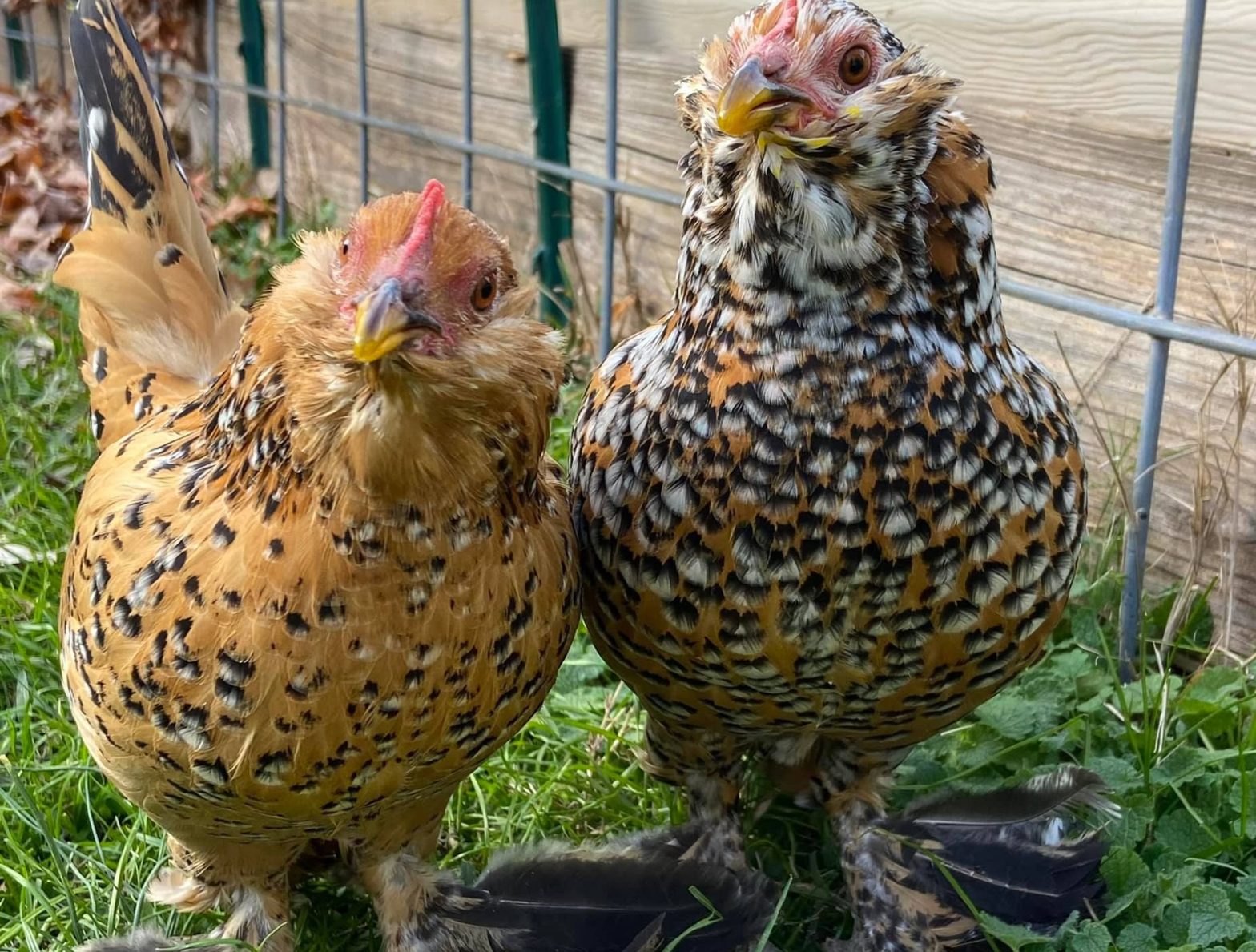
Canker is an infection caused by protozoan parasites and characterized by caseous oral accumulation, raised caseous lesions in the upper digestive tract and weight loss. The protozoa live in the sinuses, mout, throat, esophagus, liver and other organs. The organism is fragile in the environment and transmission occurs through contact with infected oral secretions orContinue reading “Canker (Trichomonosis)”
Avian Leukosis in Poultry
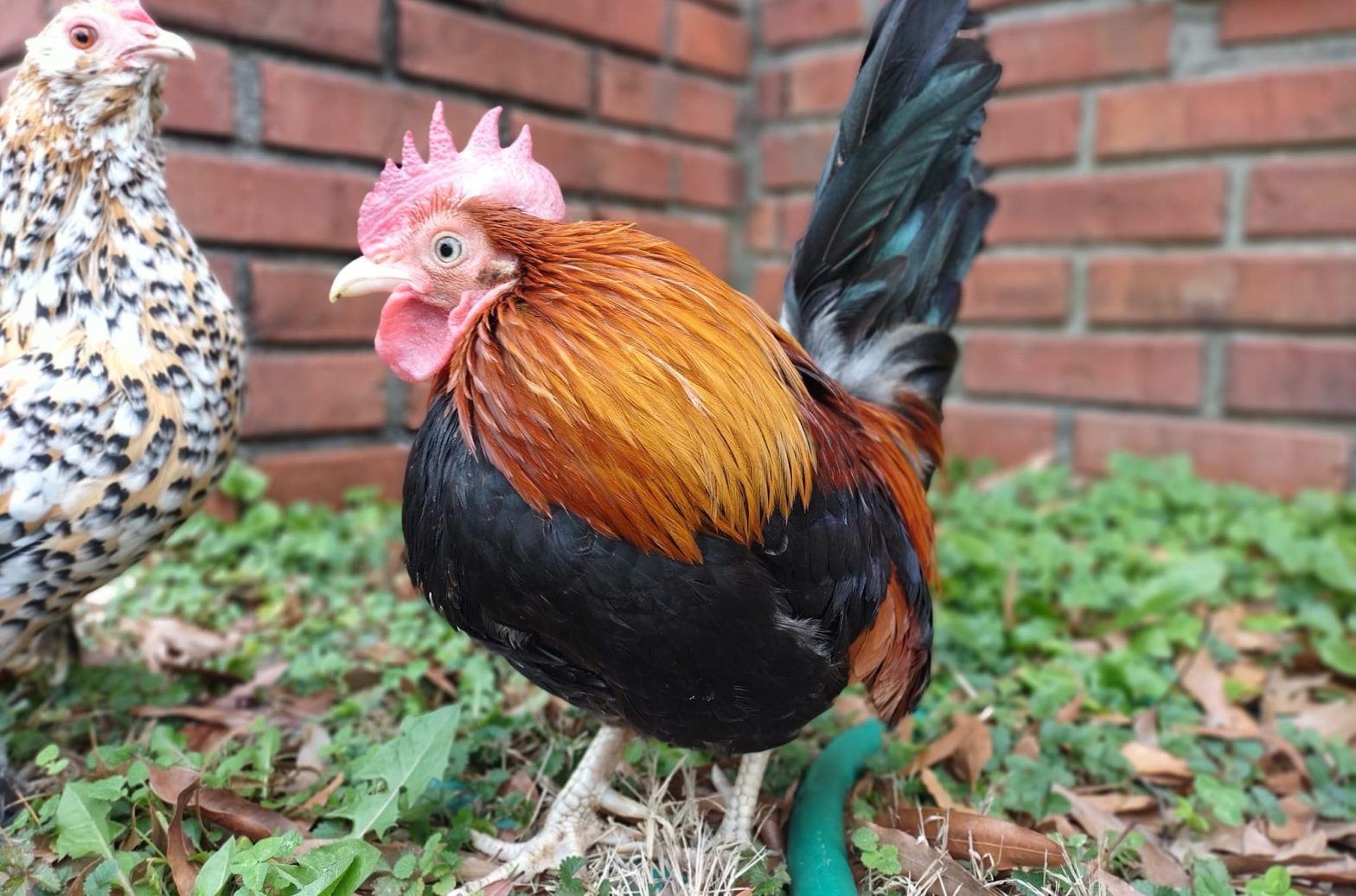
Avian Leukosis (ALV) are leukaemia-like proliferative diseases caused by the avian leukosis virus. These are retrovirus-caused diseases. Transmission: mostly through egg transmission. Chicks hatched from infected eggs will be immune tolerant and won’t develop antibodies, have an increased risk of death, lay fewer eggs and will shed virus into their own eggs, perpetuating the infection.Continue reading “Avian Leukosis in Poultry”
Coelomitis (Egg yolk peritonitis)
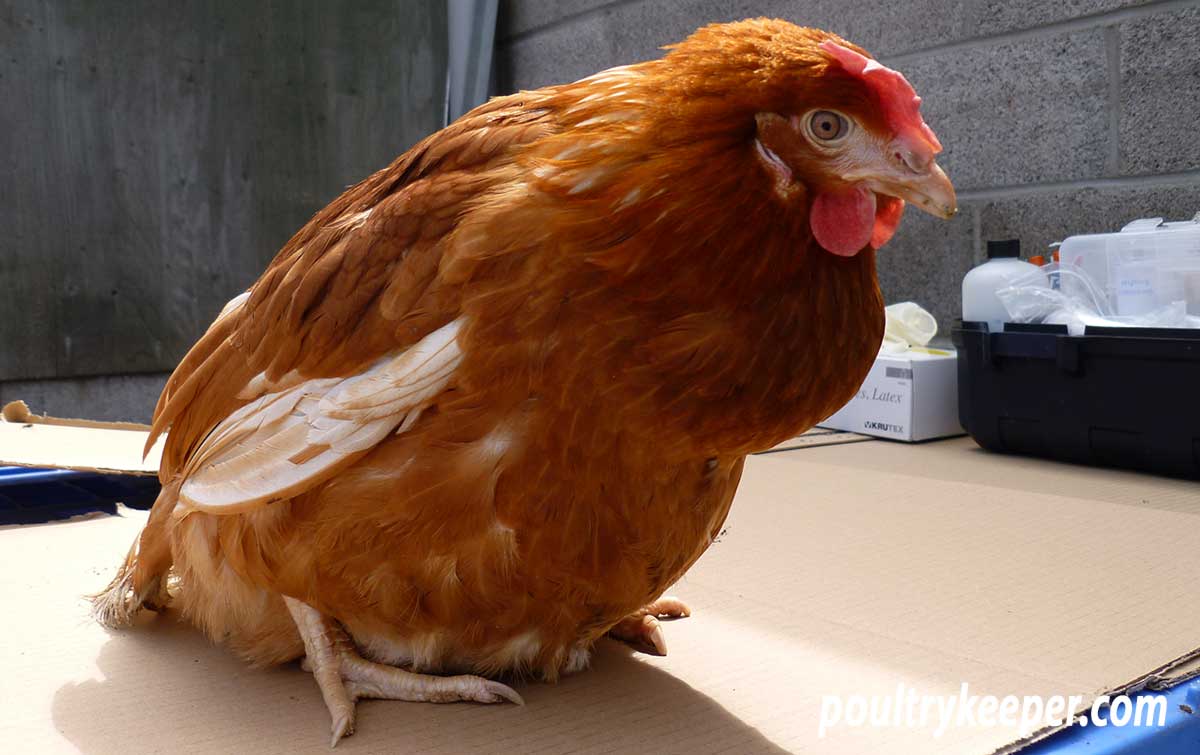
Egg-yolk peritonitis (EYP) is the inflammation of the coelom of a han as a response to yolk material deposited into the body cavity. Yolk is an excellent bacterial growth medium, which means that this can lead to disease such as Escherichia Coli. EYP, complicated with bacterial infection, will most often lead to sporadic death inContinue reading “Coelomitis (Egg yolk peritonitis)”
Egg-binding in chickens
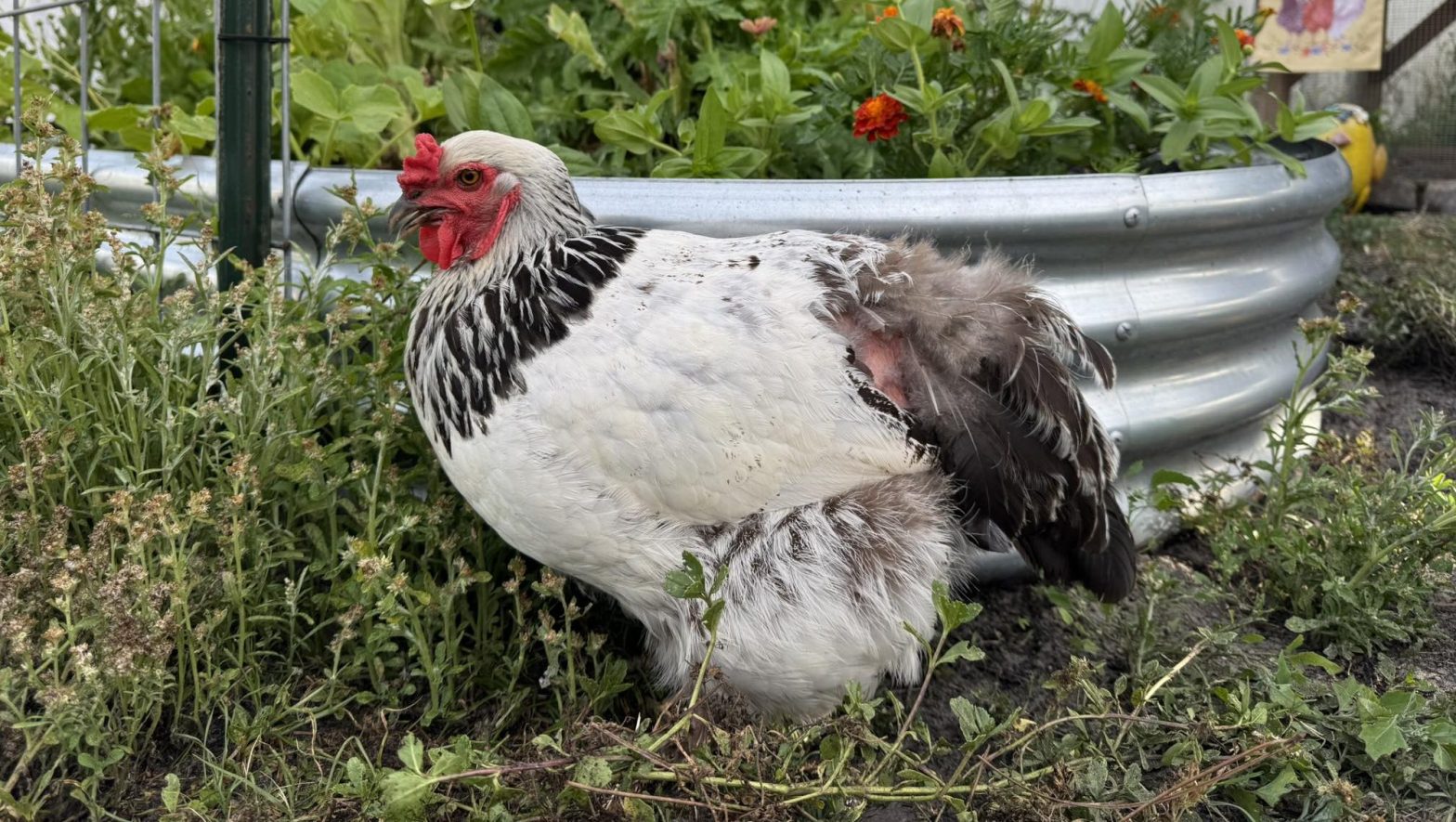
An egg-bound chicken happens when she’s straining to produce an egg for more than a few hours. This can happen due to low calcium levels, poor nutrition, excessive laying, premature egg production, old age, trauma, obesity or mycotoxins. Symptoms: frequent nestbox sitting, trying to lay eggs without producing any, depression, tail wagging, abdominal distension (accumulatedContinue reading “Egg-binding in chickens”
Marek’s Disease
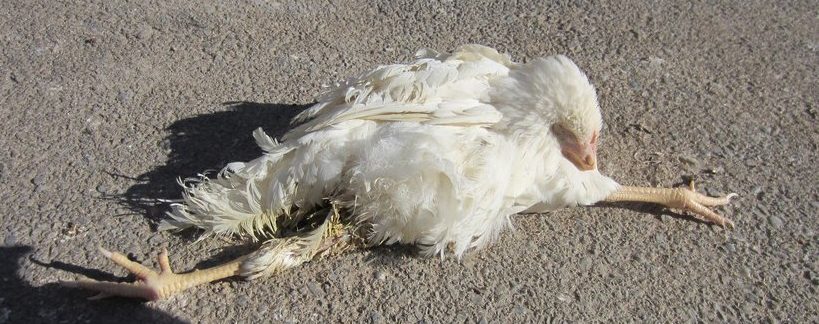
Marek’s Disease. Marek’s disease (MD) is a herpesvirus-induced neoplastic disease of chickens characterized by infiltration of various nerve trunks and/or organs with pleomorphic lymphoid cells. It’s observed mostly in chickens and occurs most commonly in young, sexually immature chickens (2-7 months old) but can occur at basically any age after 3 weeks old. A Marek’sContinue reading “Marek’s Disease”
Poultry Fecal Analysis (Poop)
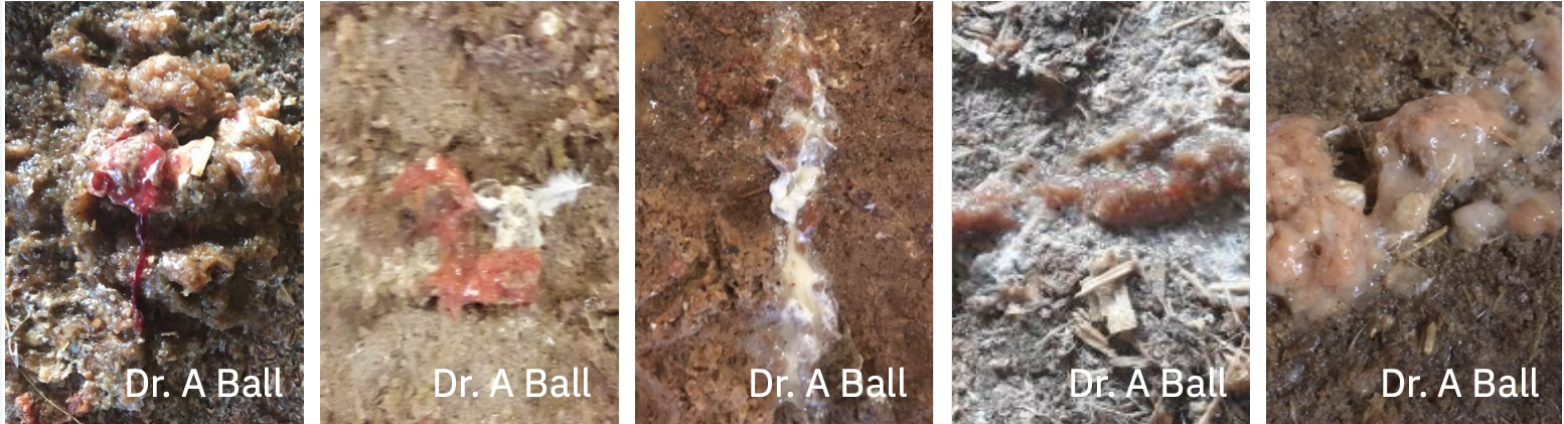
1- Normal fecal droppings: Intestinal Droppings: voided as digestive waste with white uric acid crystals on the outer surface. Cecal Droppings: Normally expelled 2 or 3 times a day (one every 8 to 10 droppings). May look pasty, smell worse than intestinal droppings and are often light to dark brown in color. 2- Abnormal CecalContinue reading “Poultry Fecal Analysis (Poop)”
Candidiasis (Sour Crop)

Also known as Thrush. It’s an infection in the chicken’s crop (digestive tract) caused by the build up of the yeast-like fungus Candida (primarily, albicans). Symptoms: You can identify these through changes in behavior, delayed crop emptying, regurgitation, reduced appetite, depression/lethargy, white oral lesions in the form of plaques or patches (inside their mouth orContinue reading “Candidiasis (Sour Crop)”
Impacted Crop
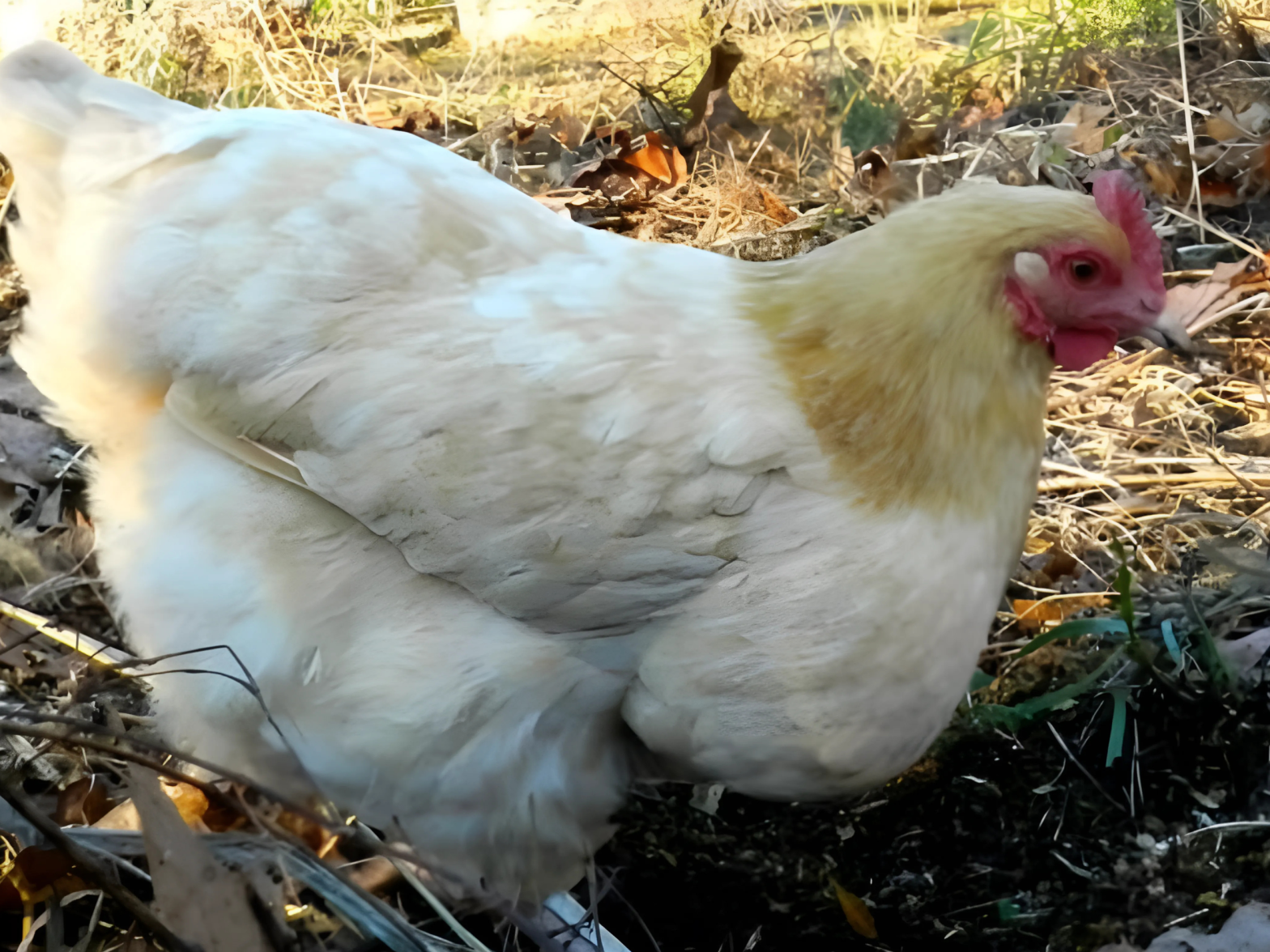
Crop impaction happens when there’s interference with the normal functioning of the crop, meaning it’s partially or completely blocked. If the crop is impacted, you should be able to palpate the crop and feel it full of contents. Causes: mostly happens from eating things that are not digestible. Some examples: string, carpets, long blades ofContinue reading “Impacted Crop”
Favus (ringworm)
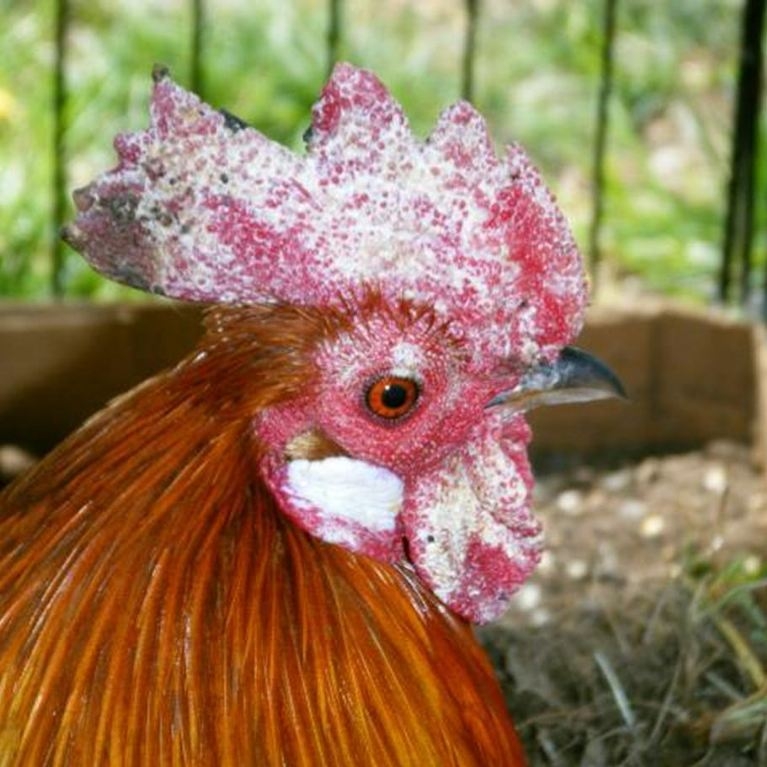
Avian ringworm is a fungal skin infection caused by dermatophytes. Affected chickens may develop white, powdery spots and wrinkled crusts with scabs in the comb or wattle. The fungi can spread to their head, beak and eyelids. Favus can be transmitted horizontally through direct or indirect contact with infected birds. It’s usually treated with fungicidalContinue reading “Favus (ringworm)”
 RVO Vet Corner Files