
Metronidazole, Ronidazole, Tinidazole and any -zole antiprotozoal medication. They are illegal to use in food producing species in the United States and carry a lifetime egg withdrawal if used. The FDA considers ALL poultry a food producing species, even if you consider them “pets”. This is PROHIBITED for both male and female birds of ALL food producing animals:Continue reading “Meds to stay away from”
Category Archives: Chicken Vet Corner Files
Flouroquinolones (Baytril)

By Becky Salinger A word about why Baytril (enrofloxacin) and all other flouroquinolones are banned for use in poultry in the US. It is illegal for any veterinarian to prescribe any flouroquinolone for any chicken, duck etc. Yes it works, yes it sucks- but it’s for the greater good. Sadly or surprisingly a lot ofContinue reading “Flouroquinolones (Baytril)”
Sevin Dust: What To Know
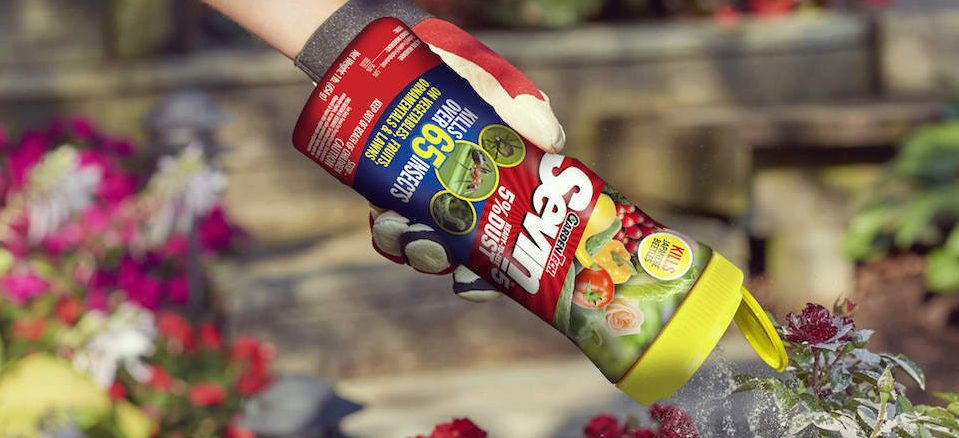
Sevin Dust, most Doktor Doom, and any pesticides not labeled for poultry, including all the topical flea and tick meds labeled for cats and dogs, all are illegal in the USA. Pesticides have no allowable off-label usage per the EPA. They must be directly labeled for poultry and the application directions must be followed toContinue reading “Sevin Dust: What To Know”
Diatomaceous Earth (DE): What To Know

In collaboration with Allie Krapiec Using diatomaceous earth (DE) in chicken dust baths is common, but it has real risks for both chickens and humans, especially depending on the type and how it’s applied. Diatoms are single-celled algae that inhabit streams, lakes, oceans and other waterways. Fossilized diatoms, whose cell walls are made of silica,Continue reading “Diatomaceous Earth (DE): What To Know”
Blu-Kote: What To Know

Blu-Kote/Red-Kote, scarlet oil OR similar products are harsh on wounds, damage tissue and slow healing. They are mainly rubbing alcohol and we all know how great that feels on small cut, let alone a gaping wound. They delay healing because it damages healthy tissue due to the high alcohol content. These are NOT regulated byContinue reading “Blu-Kote: What To Know”
Chicken Eggs: What to know
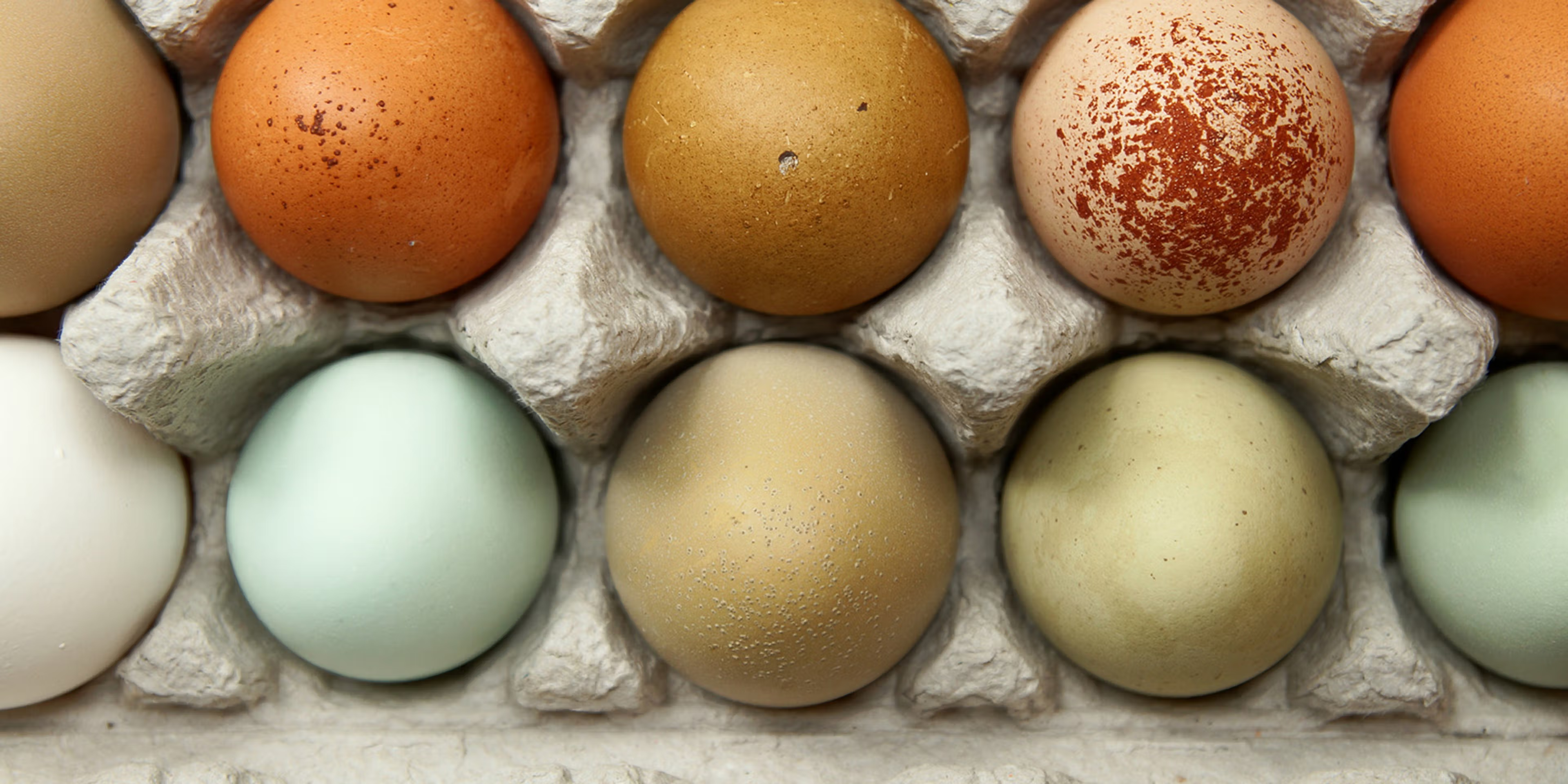
As you may know, egg production may result in some odd–looking eggs. It’s often a topic in CVC, let’s go into some of the most common egg oddities in poultry eggs and can hopefully help with your concerns. Some of these deviations may impact egg quality and result in eggs that should be discarded. ItContinue reading “Chicken Eggs: What to know”
Canker (Trichomonosis)
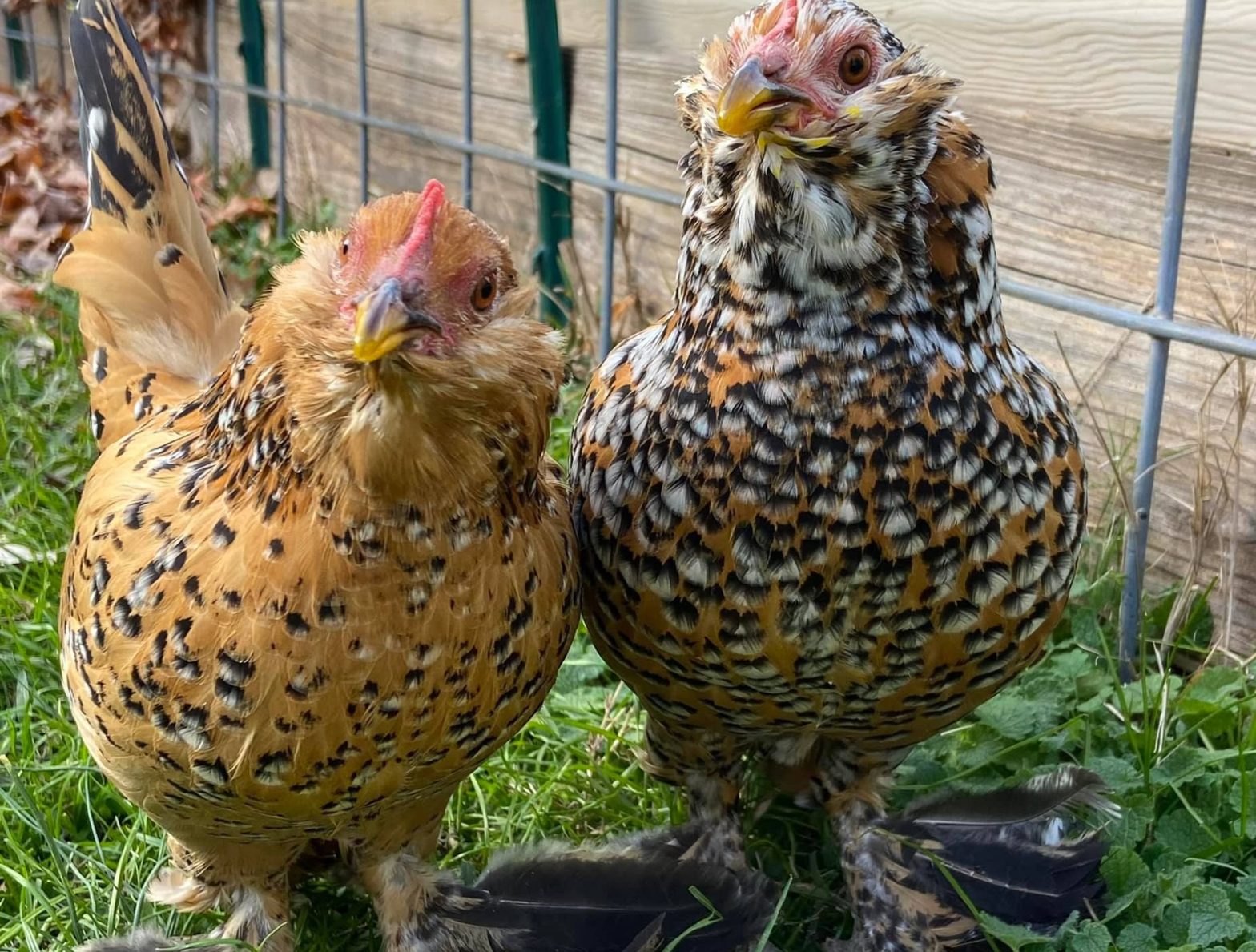
Canker is an infection caused by protozoan parasites and characterized by caseous oral accumulation, raised caseous lesions in the upper digestive tract and weight loss. The protozoa live in the sinuses, mout, throat, esophagus, liver and other organs. The organism is fragile in the environment and transmission occurs through contact with infected oral secretions orContinue reading “Canker (Trichomonosis)”
Avian Leukosis in Poultry
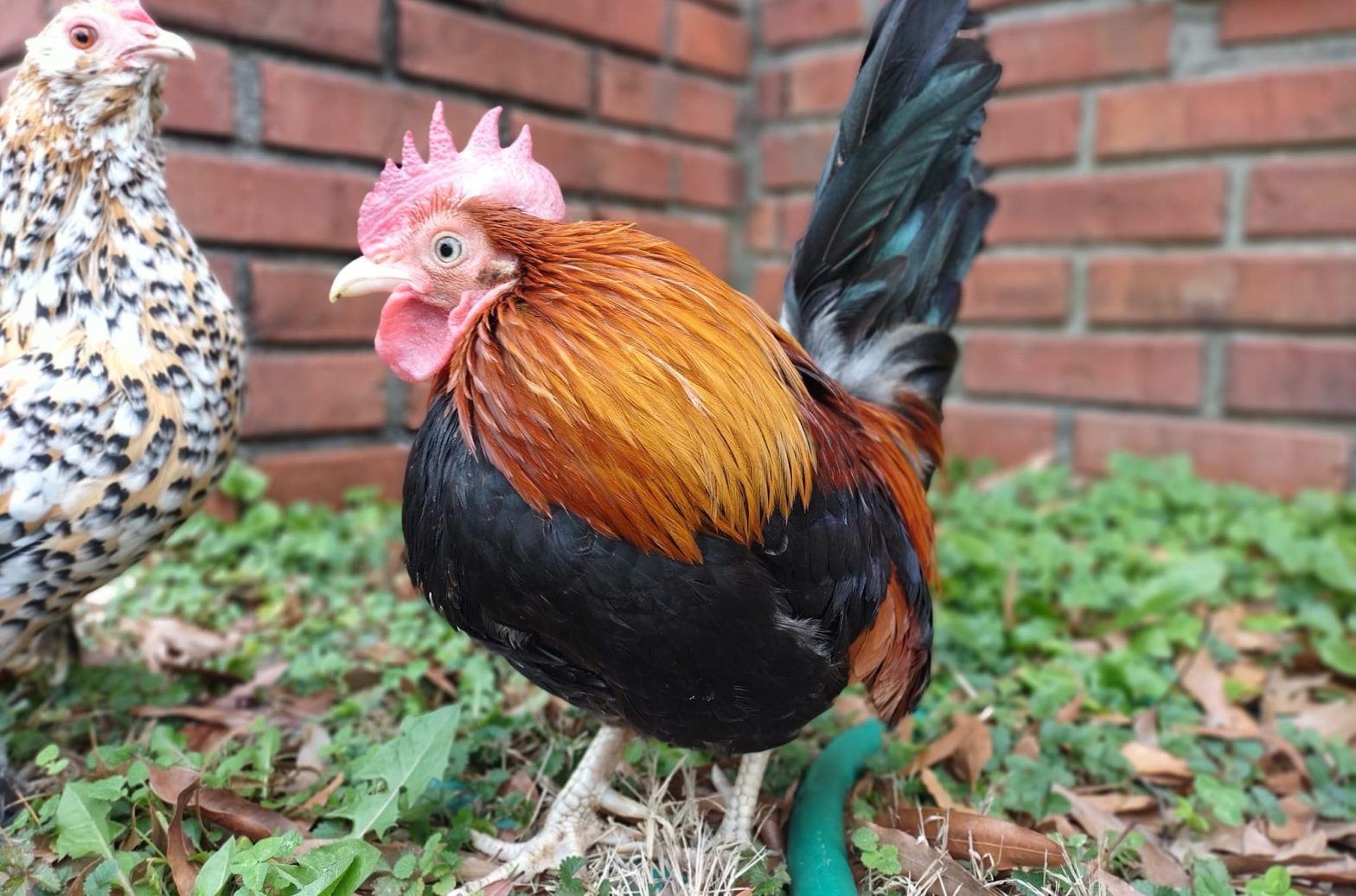
Avian Leukosis (ALV) are leukaemia-like proliferative diseases caused by the avian leukosis virus. These are retrovirus-caused diseases. Transmission: mostly through egg transmission. Chicks hatched from infected eggs will be immune tolerant and won’t develop antibodies, have an increased risk of death, lay fewer eggs and will shed virus into their own eggs, perpetuating the infection.Continue reading “Avian Leukosis in Poultry”
Coelomitis (Egg yolk peritonitis)
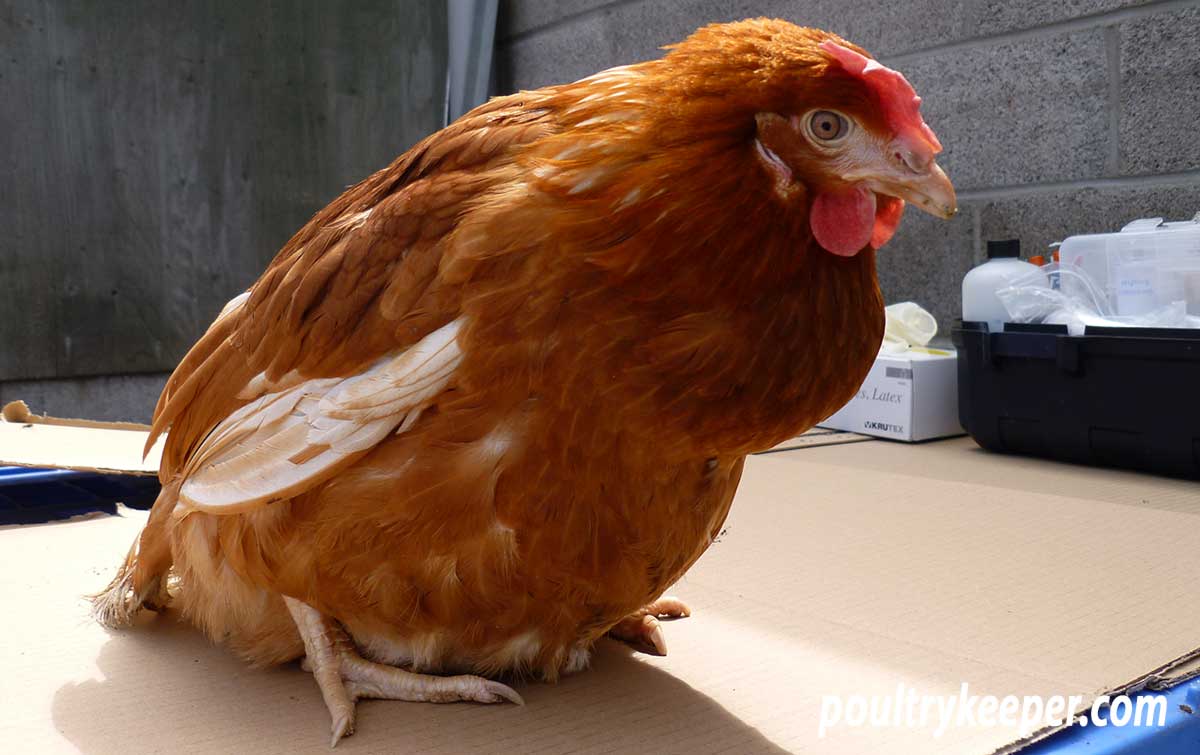
Egg-yolk peritonitis (EYP) is the inflammation of the coelom of a han as a response to yolk material deposited into the body cavity. Yolk is an excellent bacterial growth medium, which means that this can lead to disease such as Escherichia Coli. EYP, complicated with bacterial infection, will most often lead to sporadic death inContinue reading “Coelomitis (Egg yolk peritonitis)”
Egg-binding in chickens
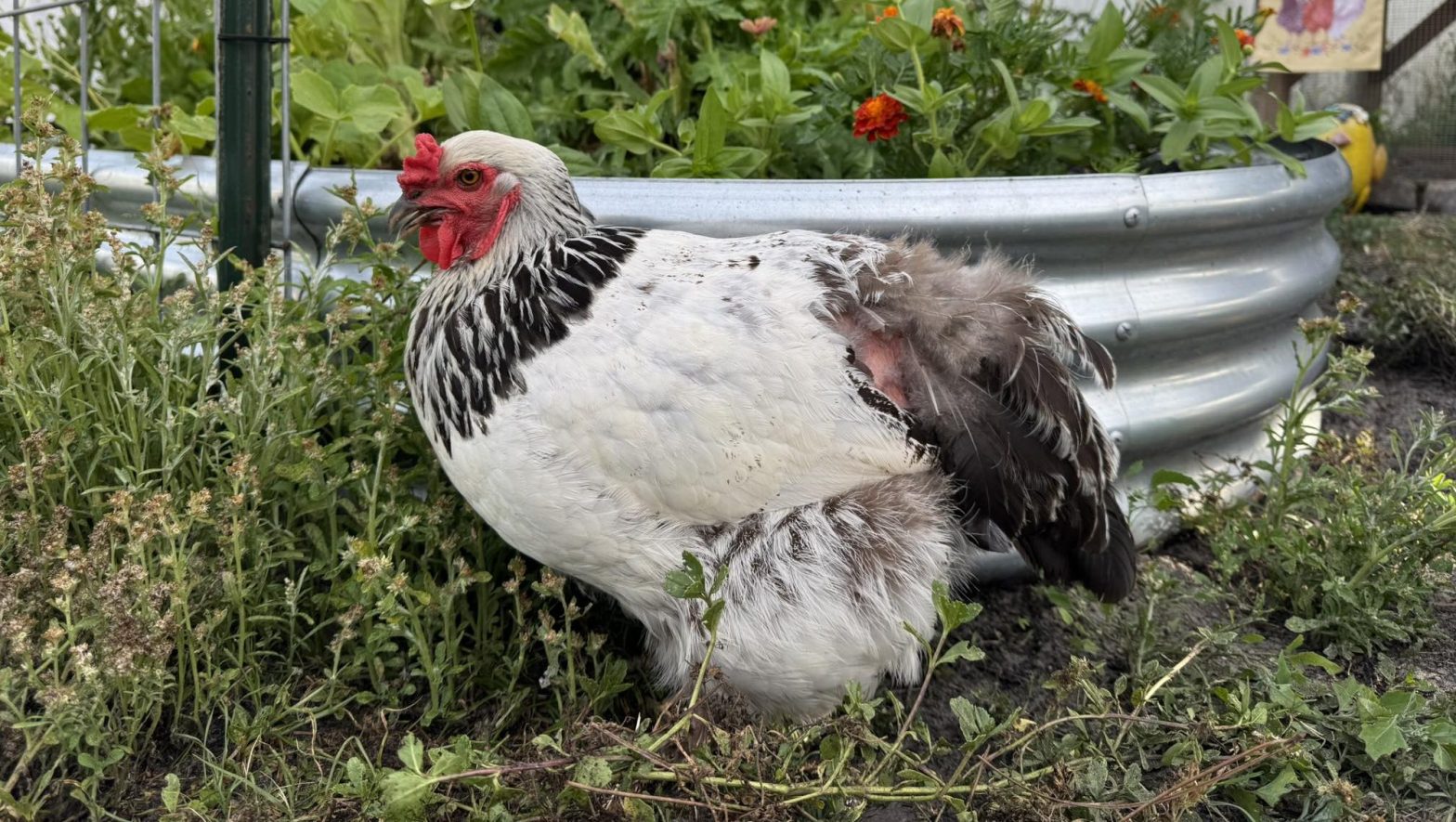
An egg-bound chicken happens when she’s straining to produce an egg for more than a few hours. This can happen due to low calcium levels, poor nutrition, excessive laying, premature egg production, old age, trauma, obesity or mycotoxins. Symptoms: frequent nestbox sitting, trying to lay eggs without producing any, depression, tail wagging, abdominal distension (accumulatedContinue reading “Egg-binding in chickens”
 RVO Vet Corner Files