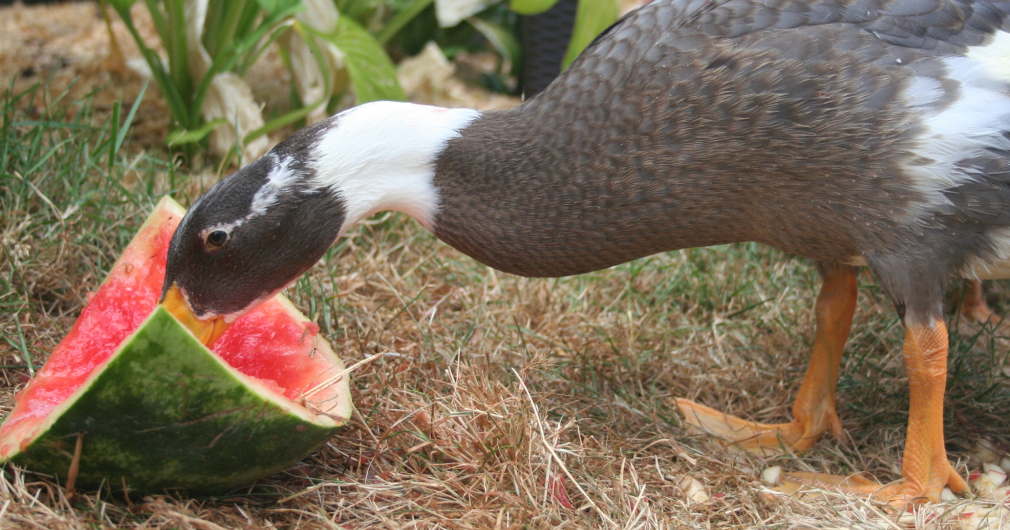
By Elena Johnson CVC AC Ducks, unlike other poultry, do not actually require “protein” but the individual amino acids contained in dietary proteins. The proteins in the diet are broken down during digestion to amino acids which are absorbed and used by the duck to make its own body proteins, such as those in muscleContinue reading “Duck Nutrition”
Author Archives: RVO
Chicken Coop
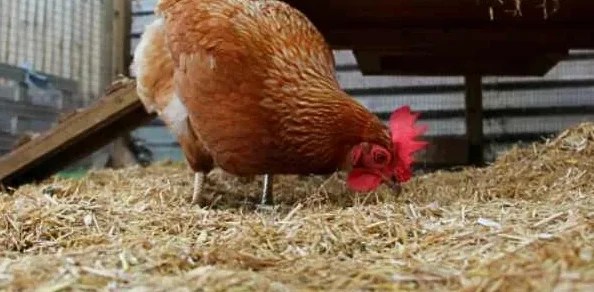
By Elena Johnson CVC AC Regarding Coop & Run sand I use construction sand 4-6 inches in the run and coop. You don’t want sand that packs down when you walk in it or squeeze it in your hand, so no play sand because it is crushed quartz or patio sand used for a baseContinue reading “Chicken Coop”
Bruising
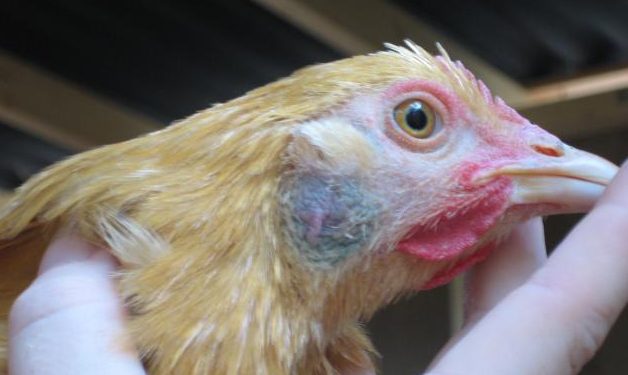
By Elena Johnson CVC AC Bruising in chickens is often indicative of a crush injury. It appears as a greenish discoloration of the skin. The green color is the result of the accumulation of biliverdin accumulation, which occurs after hemoglobin is broken down. Bruising generally takes about 2 to 3 days post injury to becomeContinue reading “Bruising”
Broody Hens
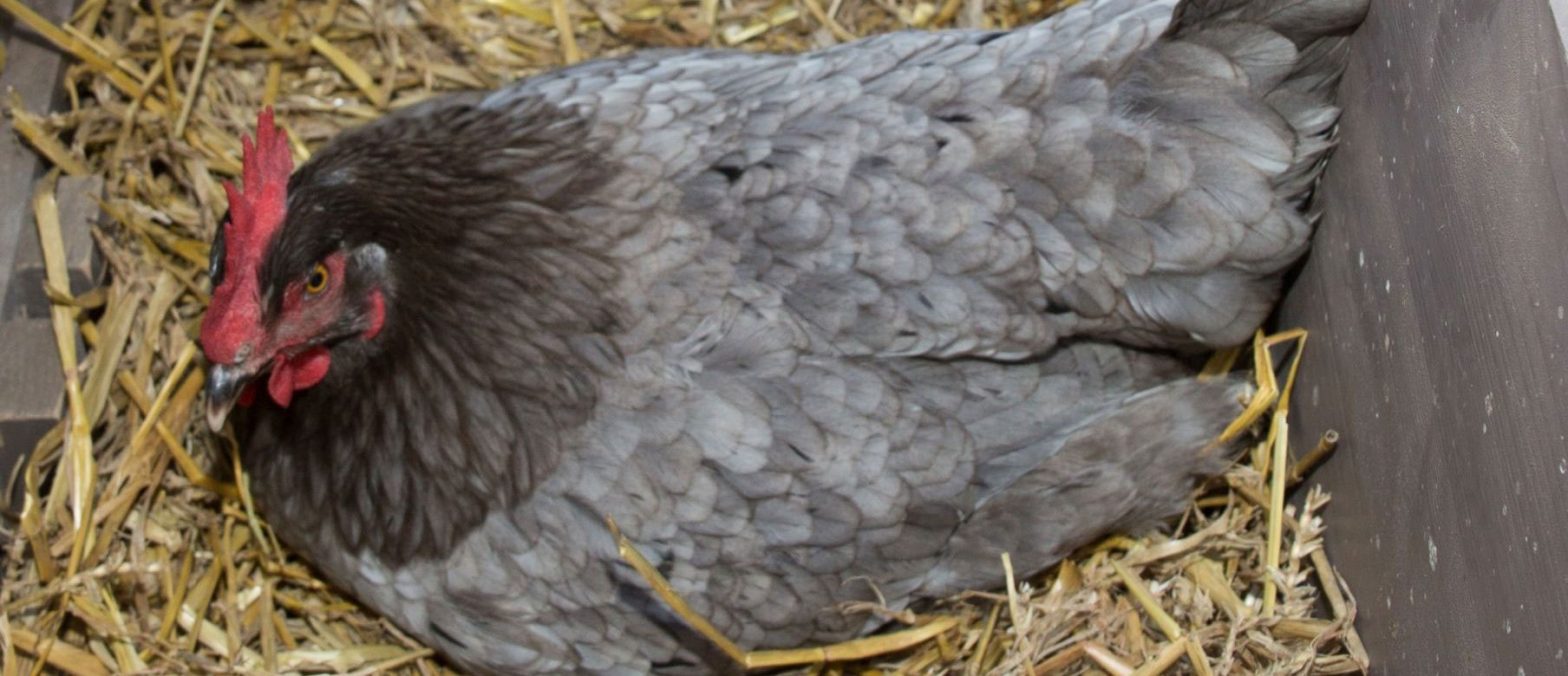
By Elena Johsnon CVC AC If you’re not hatching out eggs, you must break broodiness as soon as it starts, or your hen is going to suffer from malnutrition. They will sit on eggs and only leave the nest once a day, if that, to eat, drink and poop. This is very unhealthy for themContinue reading “Broody Hens”
Apple Cider Vinegar
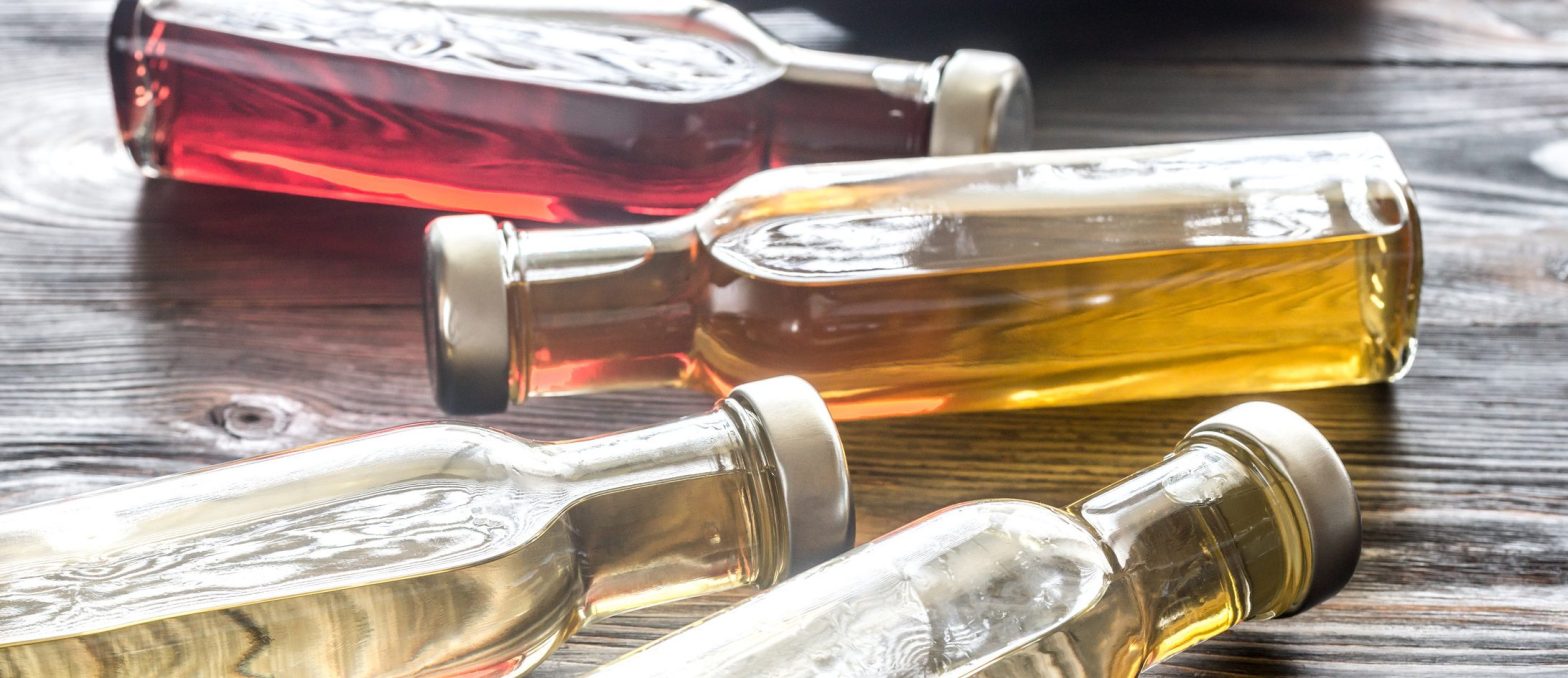
By Elena Johnson CVC AC Apple Cider Vinegar, ACV (acetic acid) actually lowers the amounts of good bacteria in the crop and digestive tract and there are not enough studies from actual poultry experts to show it has any health benefits at all and the internet claims are grossly exaggerated. By killing good bacteria, itContinue reading “Apple Cider Vinegar”
Chicken Nutrition

By Elena Johnson CVC AC We get a lot of questions on feeding your laying hens, so I’ve put together a feeding guide that may help get you on the right track. Nutrition is key to keeping your flock healthy. You should only feed a good quality layer feed, (16% protein), Grit, clean water andContinue reading “Chicken Nutrition”
Feather Loss
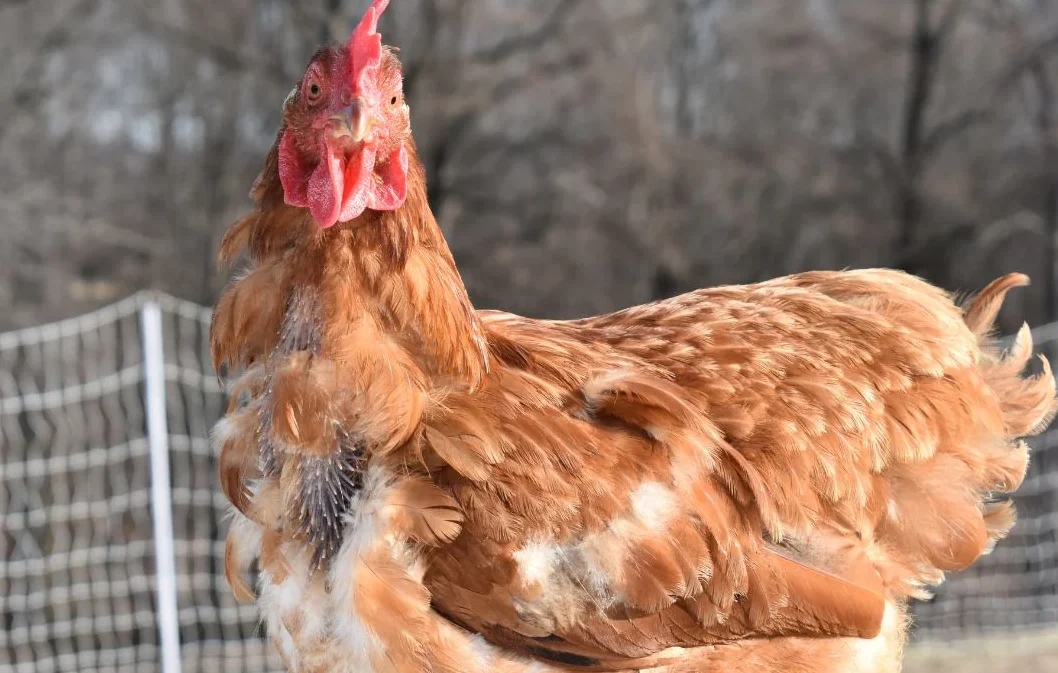
By Elena Johnson – CVC AC Here is a link explaining all things feather loss: The Avice Hub – Feather Loss It is important to make sure your chickens are naturally molting and not infested with mites or lice so make sure to check under the wings and near the vent for parasites. You canContinue reading “Feather Loss”
Why Not To Use Hydrogen Peroxide To Induce Vomiting Or Wound Care
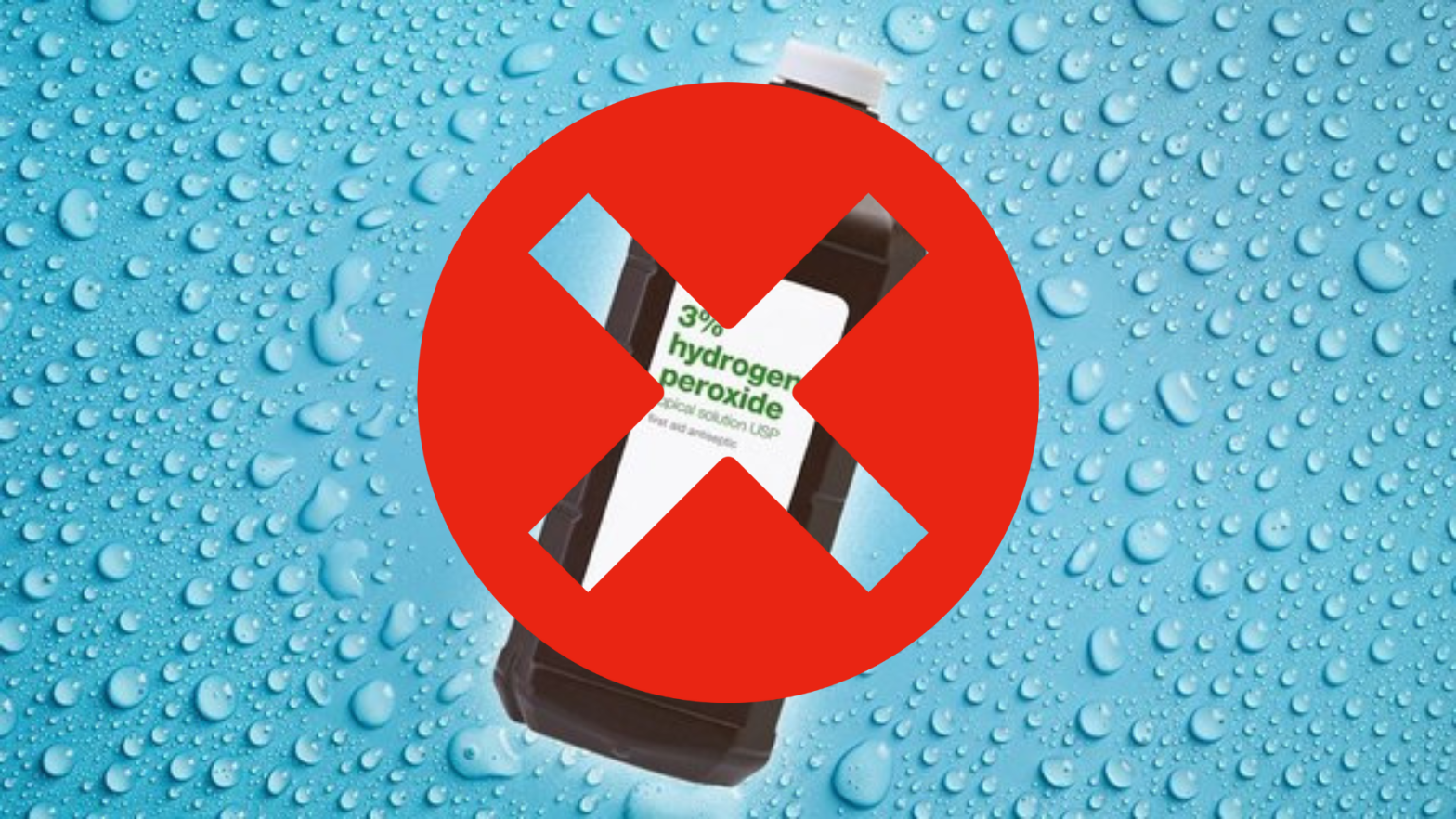
By Deb Haines The chemicals which make up a hydrogen peroxide solution act as an irritant to tissues they have contact with. When the dog ingests, it irritates the dog’s mouth, esophagus and stomach lining. To exactly what degree of irritation this creates isn’t always stated in literature but this can vary from mild toContinue reading “Why Not To Use Hydrogen Peroxide To Induce Vomiting Or Wound Care”
Termination Of Goat Pregnancy with Lutalyse

By Deb Haines Pregnancy is maintained by a structure on the ovary known as a CL (corpus luteum ), not same thing as the abscess problem. Lutalyse is a hormone (prostaglandin) that disrupts the CL, lysing it, so that the ovary no longer produces the hormone (progesterone) that maintains pregnancy. Lutalyse is a brand nameContinue reading “Termination Of Goat Pregnancy with Lutalyse”
Requirements For The Pregnant And Lactating Doe
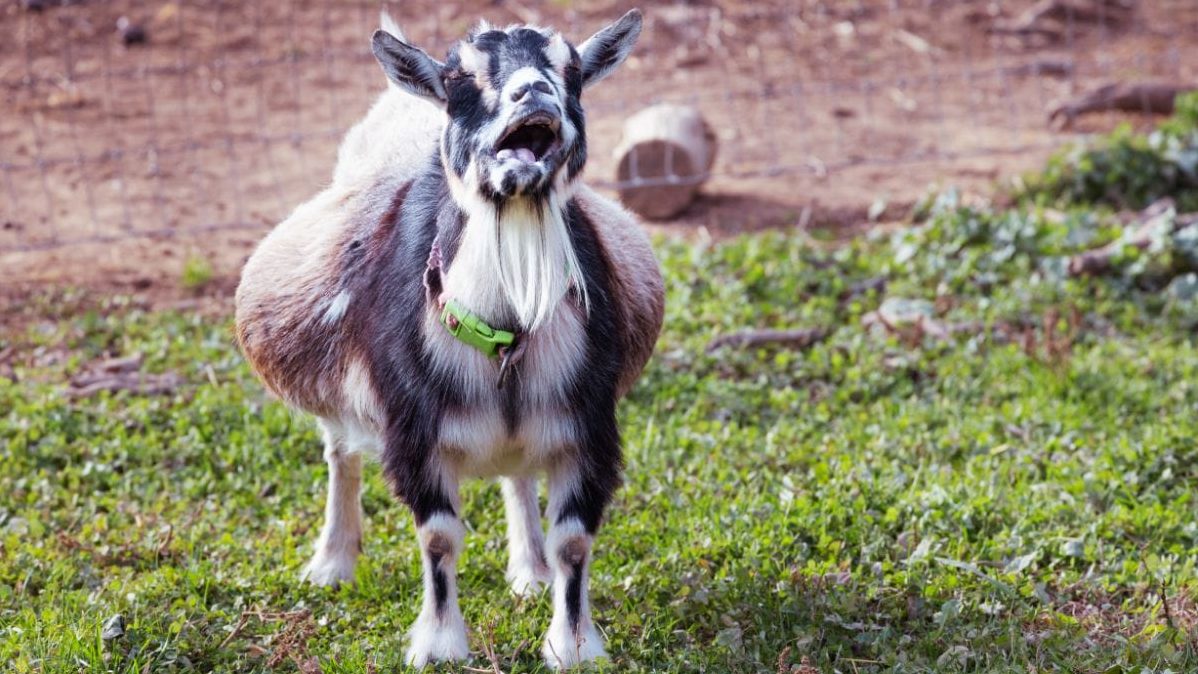
By Deb Haines The lactating doe has very high nutrient requirementsDoes should be fed at a maintenance level when they are dry and during the first two thirds of their pregnancy. As the doe goes through pregnancy her requirements will begin to increase during the last third of her pregnancy. It is critical to provideContinue reading “Requirements For The Pregnant And Lactating Doe”
 RVO Vet Corner Files