
By Elena Johnson CVC AC Pendulous crop is an abnormal condition in chickens where the crop becomes distended from it’s normal position and fills with invested feed and fluid. Chickens who are raised entirely on pelleted feed are more at risk of developing this as a result of the modification of gut flow due toContinue reading “Pendulus Crop”
Author Archives: RVO
Geese Angel Wing
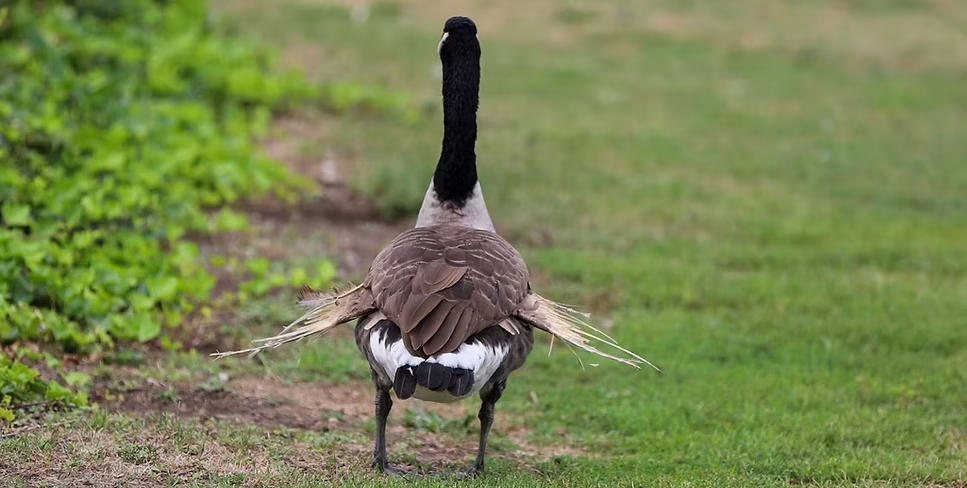
By Elena Johnson CVC AC Angel Wing: also known as slipped wing or dropped wing, is where the wing joint deforms and twists. The growing primary feathers are full of blood which make it heavy and can cause the wing to twist and drop. This causes the feathers to stick out at an odd angle, usuallyContinue reading “Geese Angel Wing”
Hens Can Crow
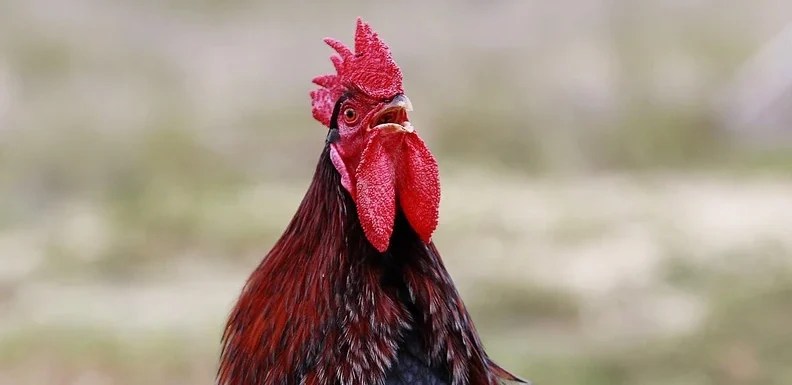
By Elena Johnson CVC AC Yes, hens can crow. It’s not as loud as a rooster but not uncommon in flocks of all hens. In many cases the dominant hen will become the protector of the flock, in addition to the half crow, she may cease to lay eggs and even grow spurs to rivalContinue reading “Hens Can Crow”
Hot Weather Tips

By Elena Johnson CVC AC Chickens can’t sweat so you do not want to wet them down, this does inhibit the same down that keeps them warm from helping them cool. A misting fan helps, kiddie pools in the shade, shade and air flow is key to keeping them cool. The coop should have aContinue reading “Hot Weather Tips”
Oyster Shell Soft Shelled Eggs
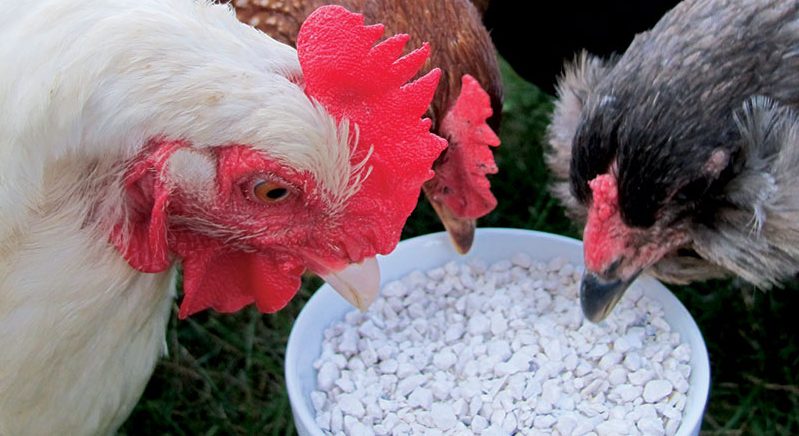
By Elena Johnson CVC AC It takes 25 hours to form an egg, 18-20 of those hours is spent on shell formation. In those hours, the hen uses and replaces the calcium carried in the bloodstream up to 100 times. The calcium required to make shells must be provided in the hen’s diet as fast-releasedContinue reading “Oyster Shell Soft Shelled Eggs”
Sudden Death Syndrome

By Elena Johnson CVC AC SDS (sudden death syndrome) is a metabolic condition which occurs most often in commercial broilers and related Cornish breeds. Chickens exhibit a sudden attack just prior to death (37-69 seconds) characterized by loss of balance, strong muscle contractions and violent flapping of their wings. The loss of balance and flappingContinue reading “Sudden Death Syndrome”
Lash Eggs: What To Know
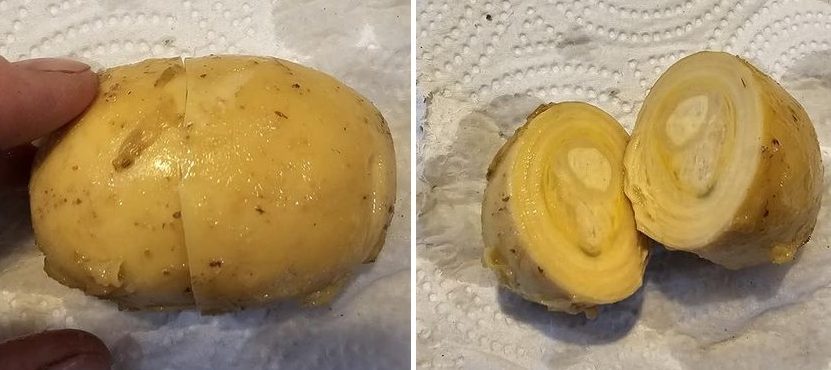
By Elena Johnson CVC AC More than you wanted to know about the cause of “Lash Eggs” and Salpingitis. Instead of getting your expected egg in the nesting box, one day you may come into the surprise of finding an egg-shaped ball of caseous exudate. Caseous means “resembling cheese or curd” and an exudate isContinue reading “Lash Eggs: What To Know”
Roosters: How to Tame them
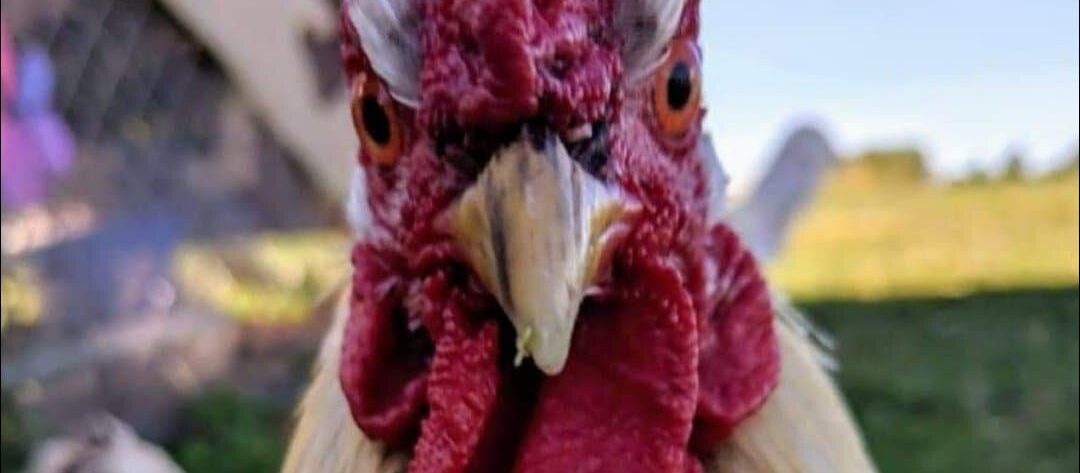
By Elena Johnson CVC AC Some breeds of roosters are naturally more aggressive, Rhode Island Reds are notoriously difficult. You must first understand why roosters attack. It’s just a fact of chickens that there is a pecking order, if you don’t have a rooster, you will also see this in your hens. One will takeContinue reading “Roosters: How to Tame them”
Turkey Nutrition & Other Facts
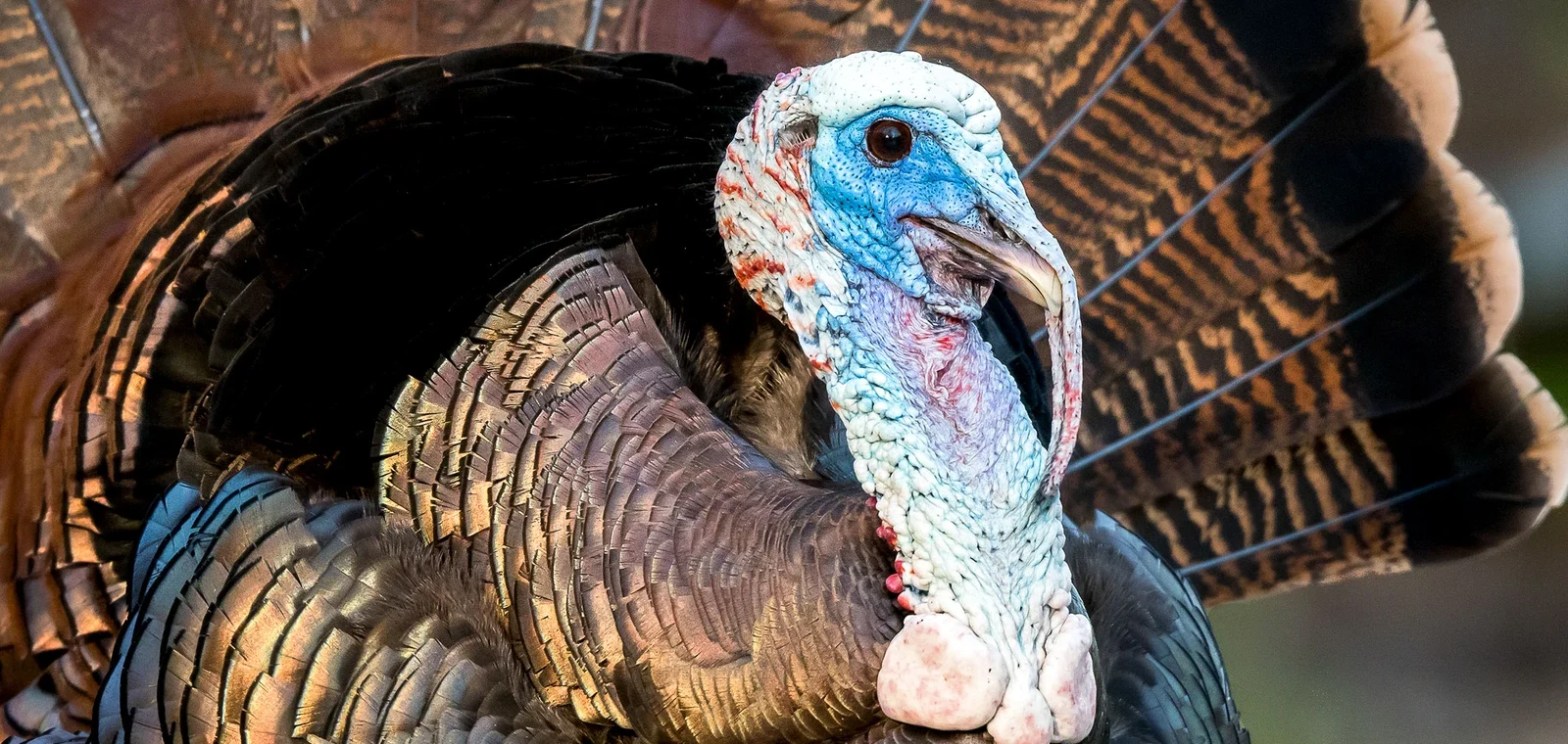
By Elena Johnson CVC AC Turkeys have different nutritional requirements than chickens and usually should be kept separate from chickens because of this and diseases such as Black Head (Histomoniasis) which is usually fatal in young poults. Chickens can serve as the host for the cecal worm and therefore the Histomonas parasite. There is noContinue reading “Turkey Nutrition & Other Facts”
Chicks Nutrition

By Elena Johnson CVC AC Chicks should be on Chick Starter crumbles. The first couple days of a chick’s life is very important when speaking of nutrition. The first day chicks should be given Grogel, this is something you mix with water that turns into a bright green gel that attracts the chicks to feed.Continue reading “Chicks Nutrition”
 RVO Vet Corner Files