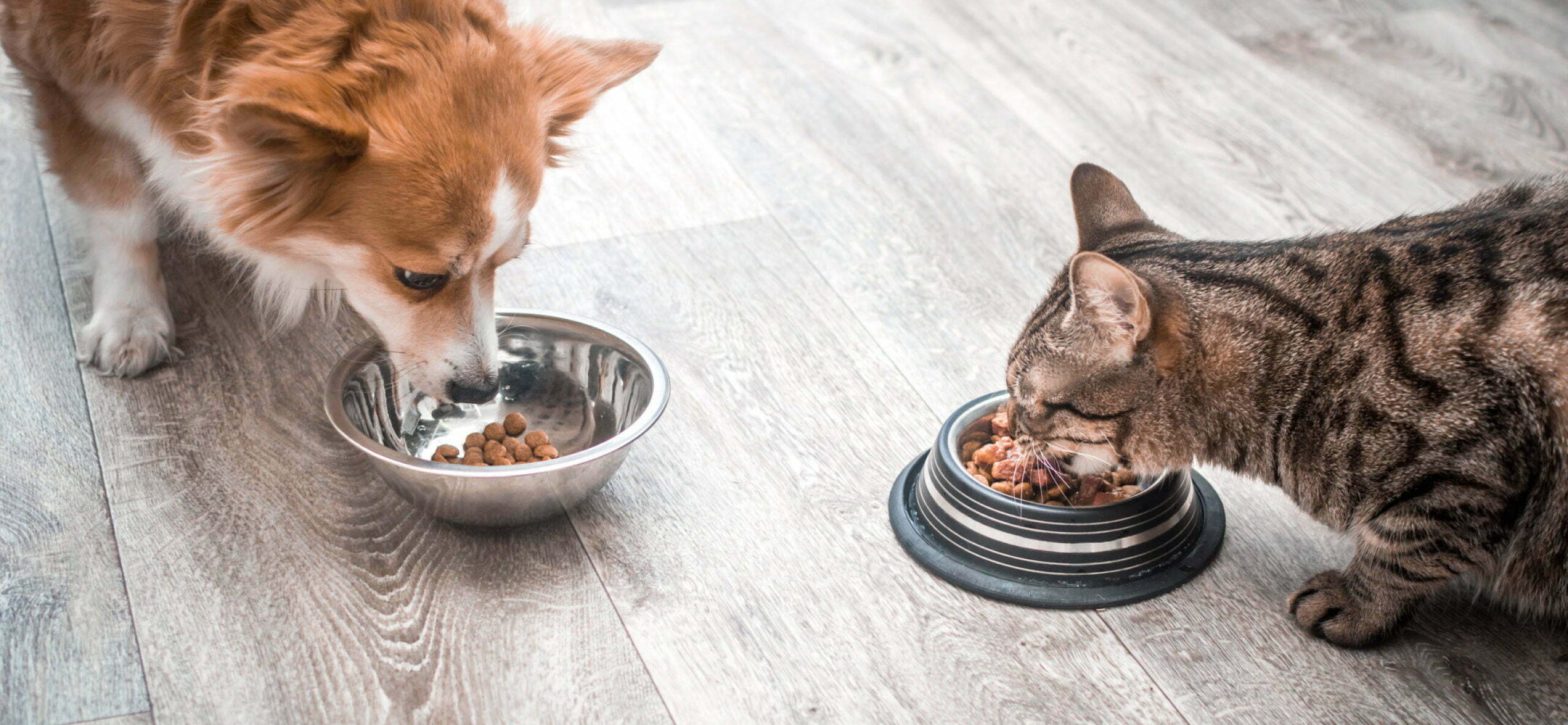
From Dr. Kathy – Please accept these comments as advise, not as a criticism or judgement. There is a reason that cavemen cooked their food; they recognized that fewer of their family members got sick or died after eating cooked food. “Dogs” and “cats” in the wild eat raw meat. Our domestic dogs and catsContinue reading “Raw Diets”
Author Archives: RVO
Homemade diets
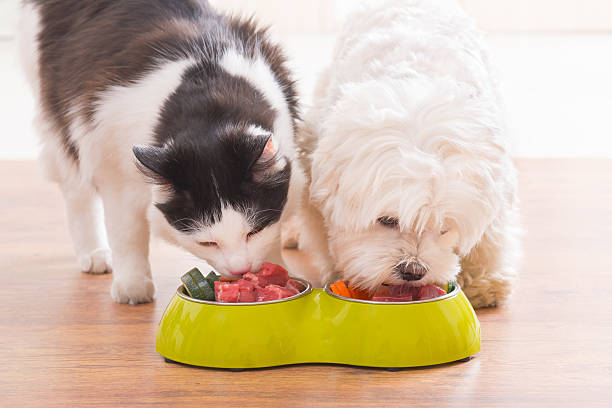
From Dr. Kathy – Making homemade pet food is not to be entered into lightly. Online “recipes” are often woefully UNBALANCED. Even veterinary nutritionists use computer programs to help develop BALANCED diets. To purchase all of the required nutrients and micronutrients would be cost prohibitive because they are not usually sold in the small amountsContinue reading “Homemade diets”
PVC Feline Nutrition pdf

By Dr. Patink We frequently get questions about feline nutrition and are seeing that there are a lot of myths, misinformation, and disinformation shared. This led to me gathering some research-based resources for you if you are looking to gather some additional information on feeding your felines. One thing that we will refuse to doContinue reading “PVC Feline Nutrition pdf”
Flystrike
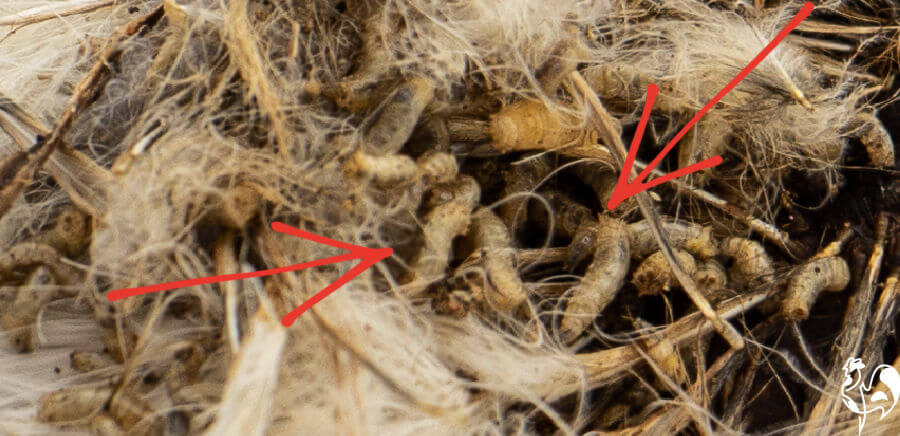
Flystrike (Myasis) occurs when adult flies lay their eggs in a chicken’s skin/body in a moist wound, skin lesion or soiled coat (below the vent). The larvae will then move around the wound surface eating dead cells, secretions, debris, etc., irritating, injuring or killing additional layers of sking that will then produce exudates and lesionsContinue reading “Flystrike”
Dog Ears: Importance of healthy ears

By Deb Haines Dog Ears: Importance of healthy ears Keeping a dog’s ears healthy is important for their overall well-being, as good hearing allows them to stay alert, communicate, and navigate their environment safely, while poor ear health can lead to pain, infection, and even hearing loss. Regular ear cleaning and weekly checks for redness,Continue reading “Dog Ears: Importance of healthy ears”
Veterinarian Database
CLICK THE LINK BELOW TO ACCESS OUR FULL VET DATABASE RESOURCE. Vet Corner Group’s Vet Database
About Banding Goat Buck Kids

By Deb Haines About Banding Goat Buck Kids …Questions and Answers ( Age matters) Banding is a method that goat owners use to castrate their male goats. Banding refers to applying a small, thick rubber band to the top of the testicles with a metal tool called an elastrator. Banding pain starts once blood flowContinue reading “About Banding Goat Buck Kids”
Urinary Blockage – How To Snip The Pizzle
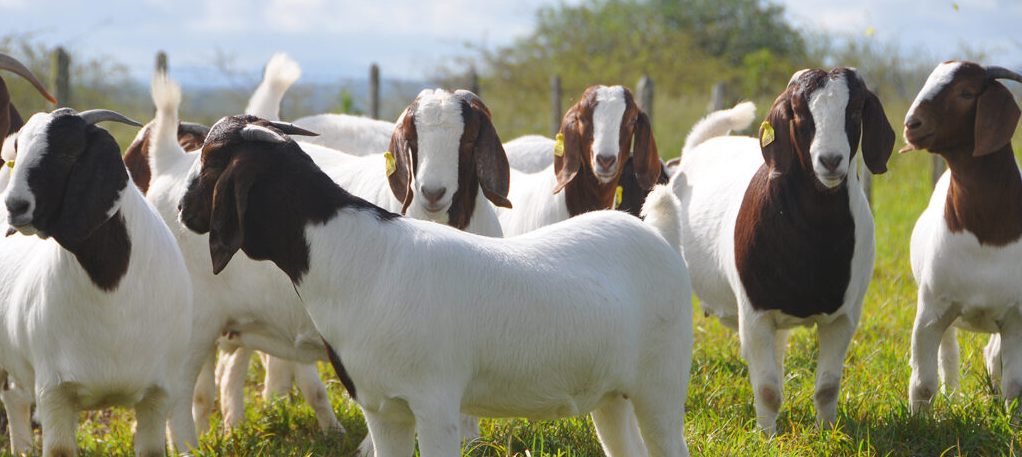
By Deb Haines Symptoms of Urinary Calculi or Urinary Tract ObstructionWith any goat, but especially wethers, it is always a good idea to keep an eye out for signs that he is having an issue urinating. Noticing any of these signs, especially if multiple signs are noticed at one time, are indications that something needsContinue reading “Urinary Blockage – How To Snip The Pizzle”
Listeriosis: Circling disease

By Deb Haines Listeriosis, or Circling disease, is a sporadic bacterial infection that affects a wide range of animals, including people and birds. It is seen worldwide, more frequently in temperate and colder climates. There is a high incidence of intestinal carriers. Encephalitis or meningoencephalitis in adult ruminants is the most frequently recognized form. SometimesContinue reading “Listeriosis: Circling disease”
How To Tube Feed Goat Kids/Lambs and Adults

By Deb Haines The vast majority of lambs and kids that are born during favorable weather conditions will not require additional care or assistance at birth. However, there are several risk factors that you need to consider when animals are giving birth during cold weather: milk supply, kid/lamb size and vigor, maternal behavior and weatherContinue reading “How To Tube Feed Goat Kids/Lambs and Adults”
 RVO Vet Corner Files