
(Including Blanket Questions) By Deb Haines Proper horse care and management during the winter is essential. As it becomes colder, the horses requirements for energy, shelter and hoof care begin to change. This HVC file explains the different requirements horses have during the winter and practices horse owners can do to meet those requirements. YourContinue reading “Winter: Getting Horses Ready”
Author Archives: RVO
FAQ – Cronic Diarrhea
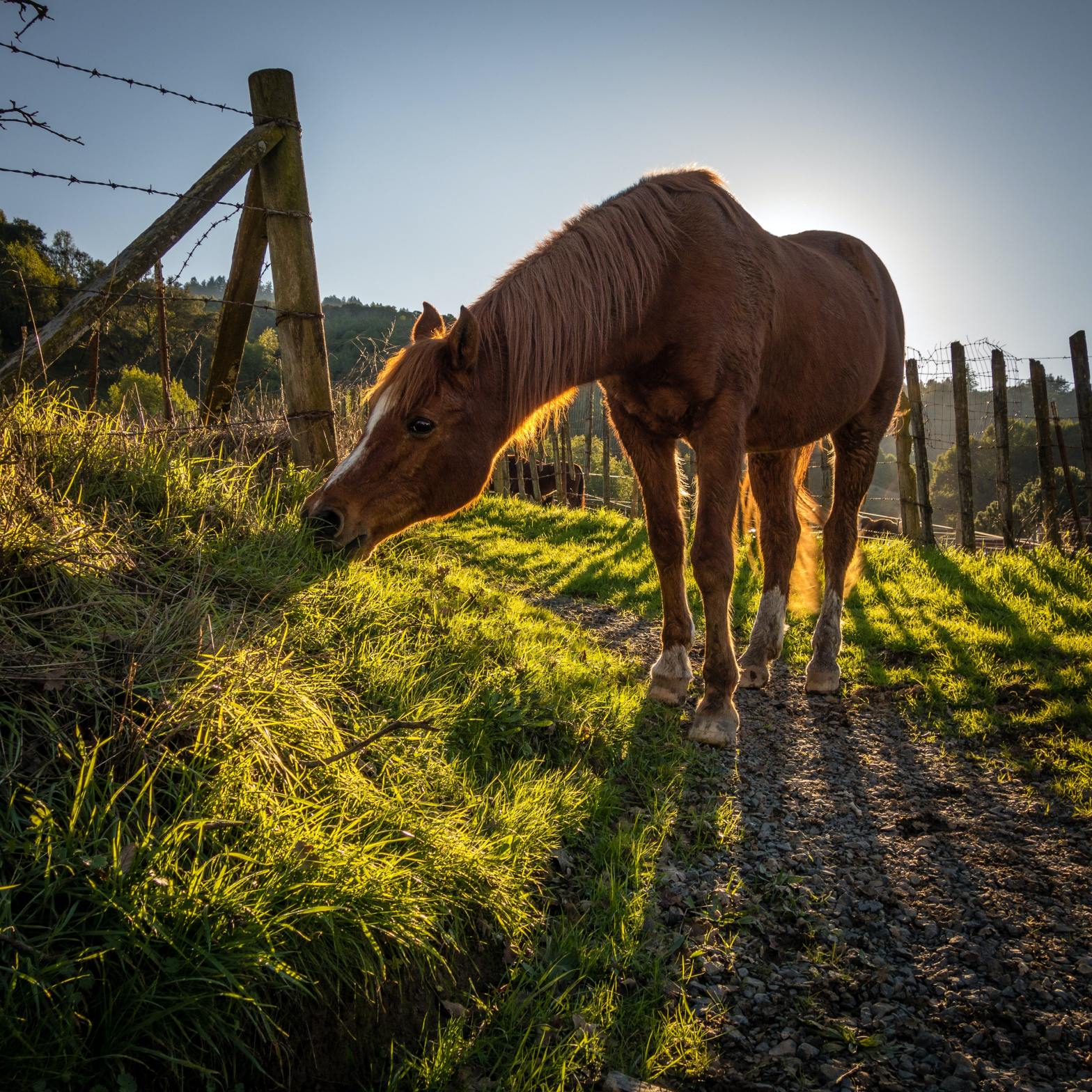
Chronic diarrhea:Please see this article on chronic diarrhea: https://thehorse.com/167963/finding-the-cause-of-chronic-diarrhea-in-horses-be-methodical/?fbclid=IwAR3BfoksvkEgzbhonwiQjLVO3iEdurkAelv81PPsSbLukgbgOctlnSa76WE Things that are usually done to evaluate for chronic diarrhea: Fecal water syndrome: After diagnostics have been done (listed above) and common causes such as sand, this becomes a trial and error disease. Some vets have had luck with an all hay diet (meadow hay, alfalfa);Continue reading “FAQ – Cronic Diarrhea”
Thrush: FAQ
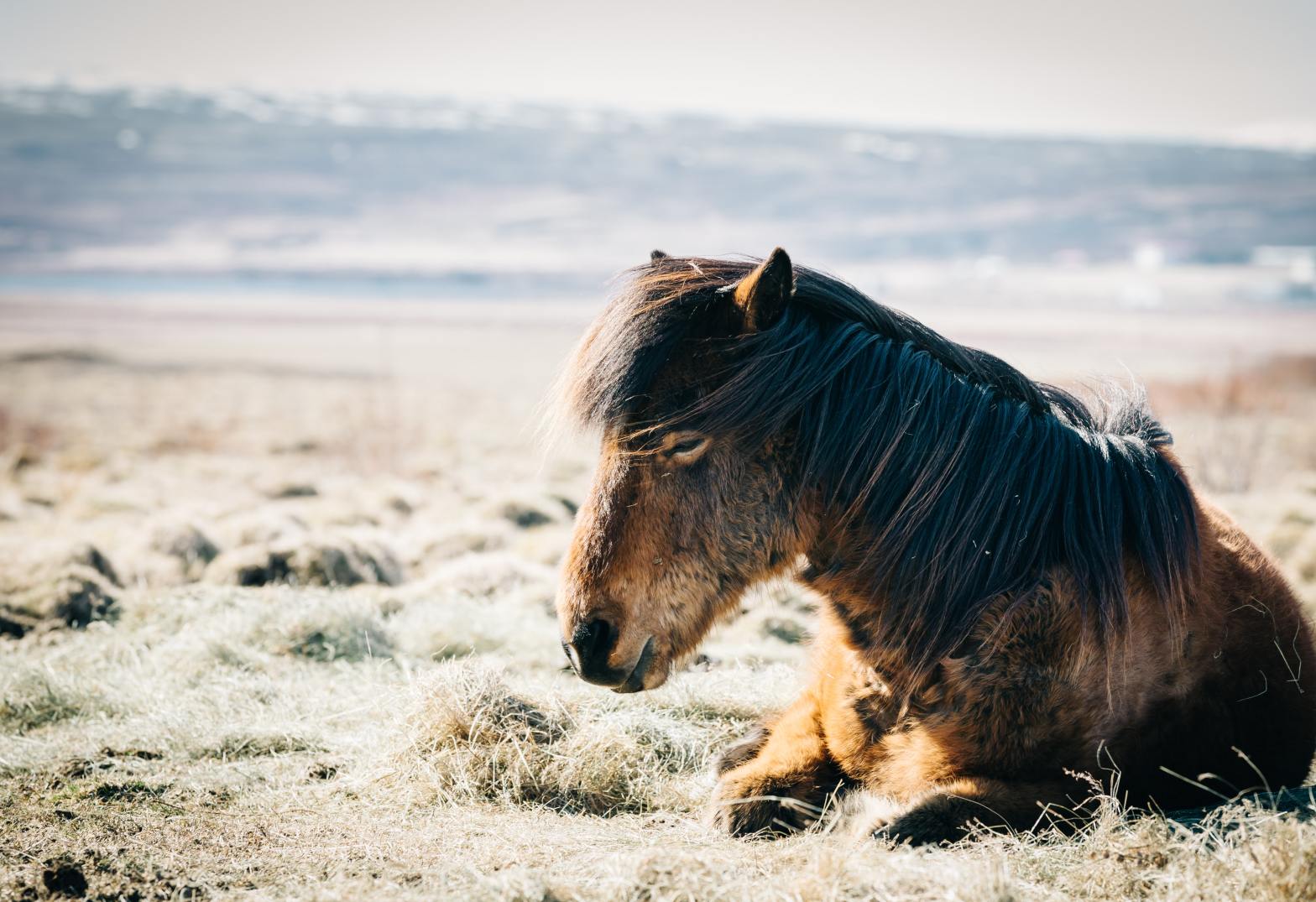
By Dr. Alicia Nolfi Thrush is caused by an organism initially referred to as xerophilic Nectria, but now called spirochaeta. Both terms have destructive connotations, but they are simply low virulent organisms that have frog lysing properties when conditions allow them to multiply. Thrush starts along the sulci of the frog. The deep crevasse thatContinue reading “Thrush: FAQ”
FAQ – Head Shaking
Here are some links to read regarding headshaking. Please let us know if you have additional questions after reading the links. 1) http://www.headshakerinfo.org 2) An article by KSU on photic headshaking: http://vetfolio.s3.amazonaws.com/e3/0a/c430367244cb90ece6de0cc207fa/clinical-view-66-photic-head-shaking.pdf?fbclid=IwAR2HuH4jY-CqsrTaaz-bfceca9P1dAxAgMaIVjJsHbdfvXTnfDkSXrGyG-M 3) Article by KSU on general headshaking:https://www.vet.k-state.edu/vhc/services/equine/internal-medicine/headshaking.html 4) A recent study indicating possible musculoskeletal pain as a cause: https://www.horsetalk.co.nz/2019/03/27/head-shaking-study-musculoskeletal-pain/?fbclid=IwAR0o83rl0KruyNPC_bg4iNtGXxcIq1uU7E0Y_VhogVW6-7yOxiurXKT-Fx0
Physical Exam – How to perform
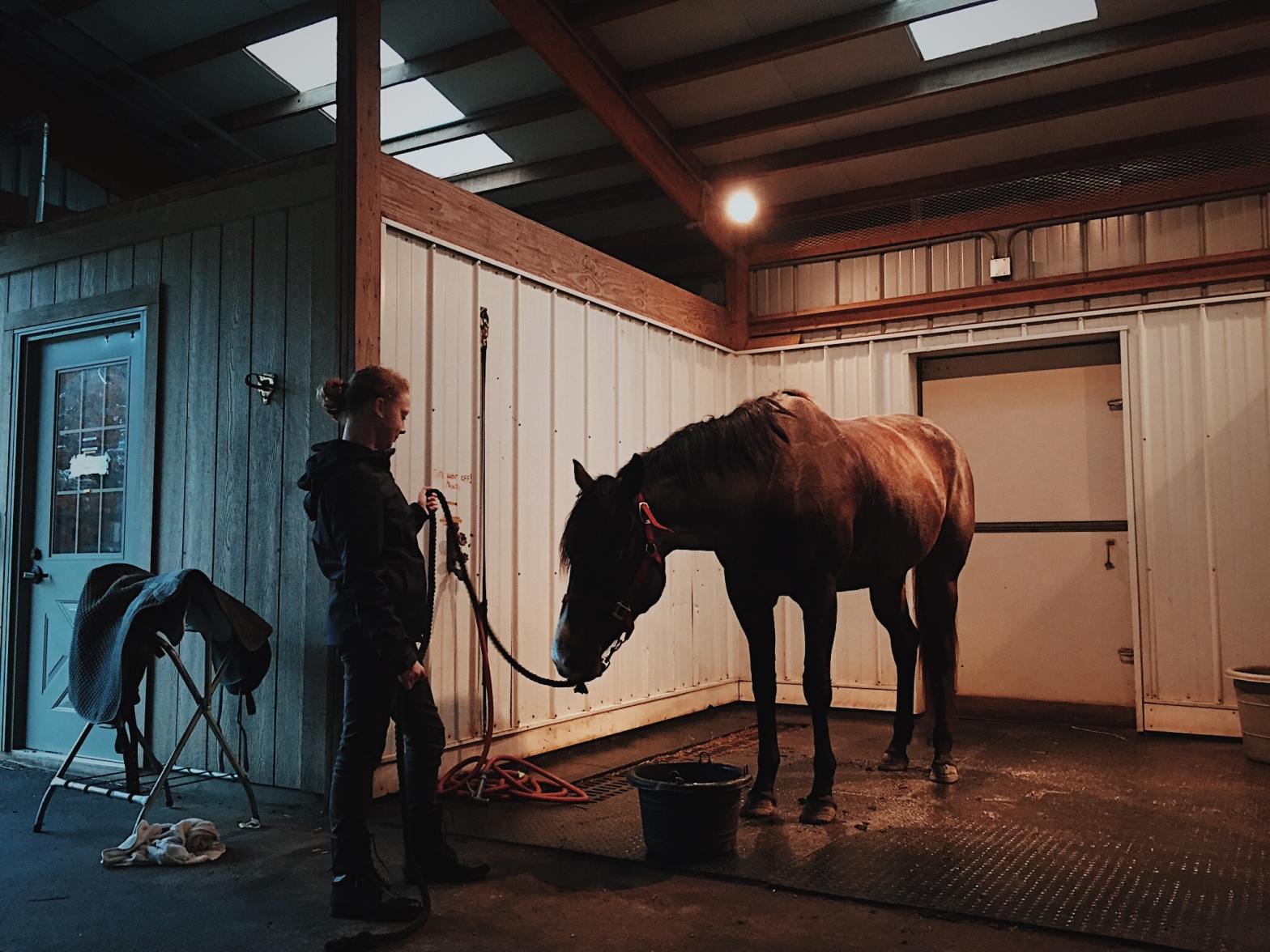
Here’s a video on how to perform a physical exam: Normals:1. Temperature (at rest):– Adult: 99.5 – 100.5 F– Foal: 99.5 – 101.5 F2. Heart rate:– Adult: 32-40 bpm– Foal: 80-120 bpm (transitions to adult ranges as they age)3. Respiratory rate:– Adult: 8-16 brpm– Foal: 60-80 brpm at birth, reducing to around 30 brpm withinContinue reading “Physical Exam – How to perform”
FAQ – Fat Horses
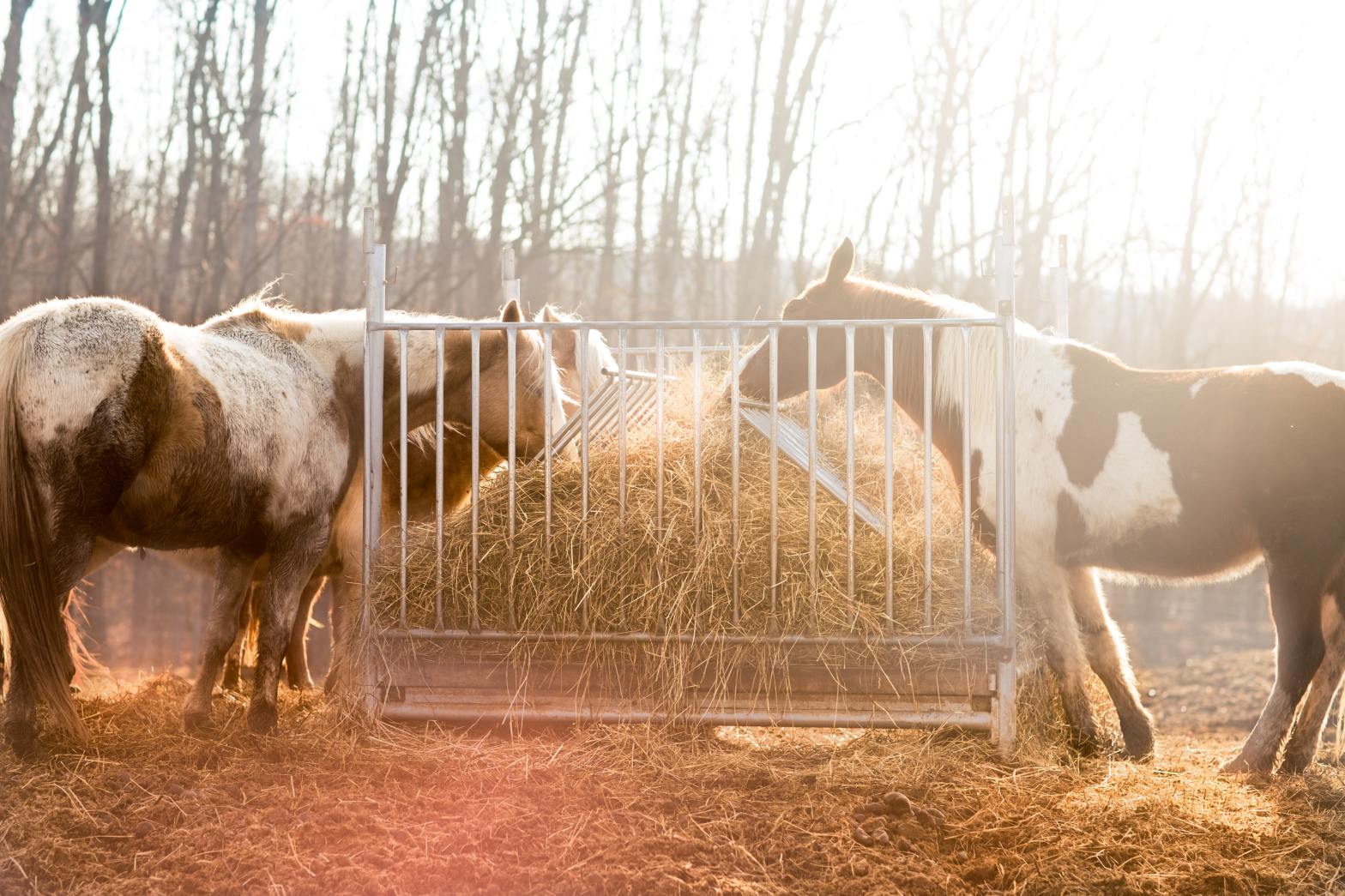
What to do if your horse is overweight:. https://thehorse.com/165233/my-horse-is-too-fat-what-should-i-do
FAQ – Summer Sores, Habronemiasis
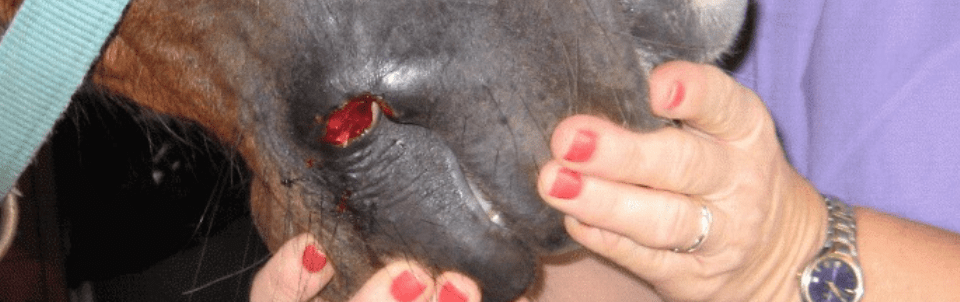
If your horse has a circular wound on the leg, sheath, penis, or lips (or really anywhere on the body), it could be a summer sore. Please have a look at these articles on summer sore identification, treatment, and prevention: Please ring your vet for their favorite summer sore concoction. The principles of a summerContinue reading “FAQ – Summer Sores, Habronemiasis”
Blue green algae: FAQ
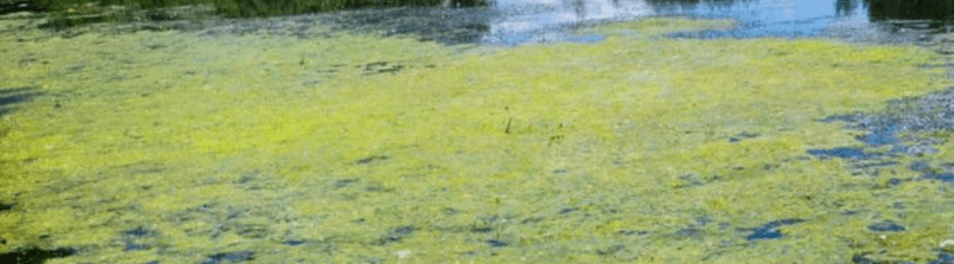
Blue green algae is toxic to horses. Have a look at these articles:
FAQ – Anhidrosis, Non-sweating
If your horse is not sweating or is not sweating enough despite high ambient temperatures, he or she may have anhidrosis. A terbutaline sweat test can be done by your vet to confirm complete or partial anhidrosis. Some of the common remedies for non-sweating include: Have a look at these articles for more information: ByContinue reading “FAQ – Anhidrosis, Non-sweating”
FAQ – Sleep Deprivation and REM Sleep
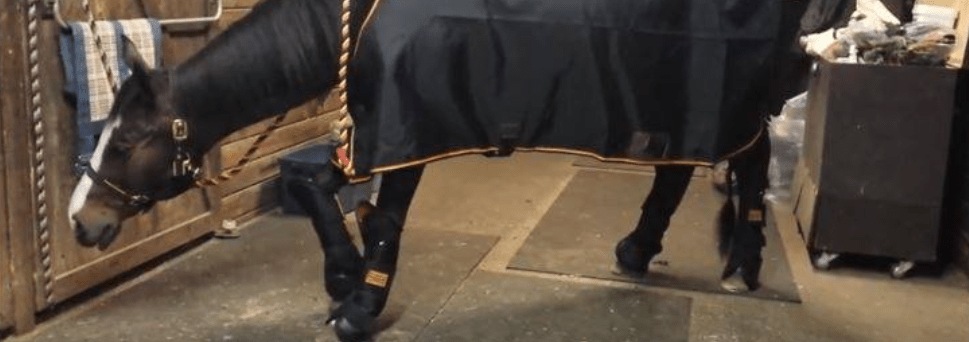
Over the years, the name of sleep deprivation has changed. It used to be lumped in with narcolepsy, but narcolepsy is quite rare, occurs at exercise or with activity, and has mainly been found in miniatures. Sleep deprivation, however, is much more common and occurs at rest or when things are quiet. REM sleep isContinue reading “FAQ – Sleep Deprivation and REM Sleep”
 RVO Vet Corner Files