By Elena Johnson CVC AC
How long are fresh eggs good for in the fridge? 6 months
Once refrigerated, they must continue to stay in the fridge until use but will stay good up to 6 months (or more). Fresh eggs are very hardy. Store bought eggs can be an average of 3 weeks to 4 months old by the time you buy them.
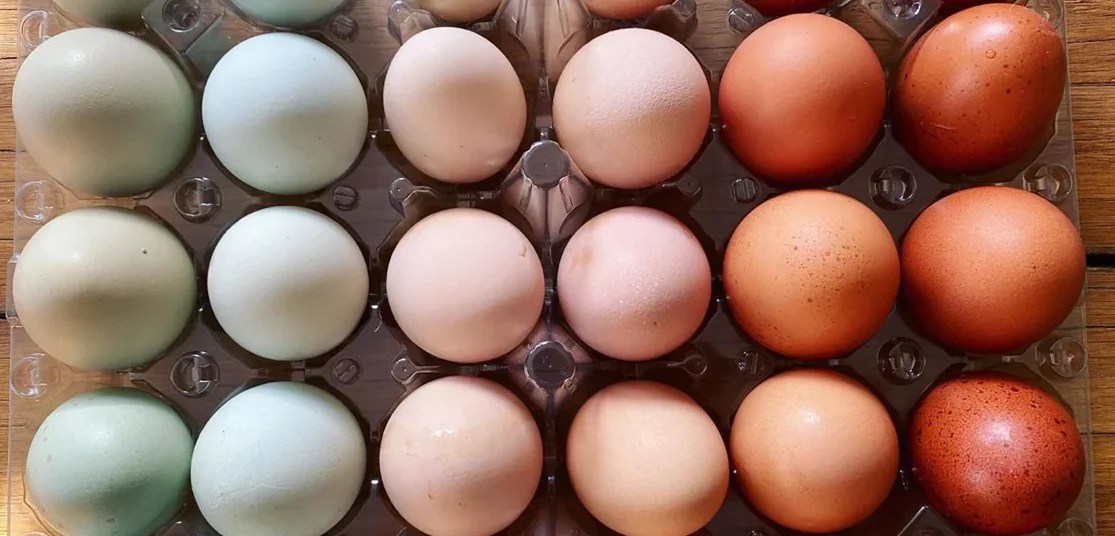
In the image below, store bought on left vs. a farm fresh, organic, pasture raised, Omega-3 on right:

I feed Purina Layena Omega 3 feed; each large egg has 250mg of Omega 3.
Nutrition facts of pasture raised eggs vs store bought eggs
Mother Earth News had fresh eggs laid by chickens that graze in pastures tested by a laboratory and found that compared to the USDA food guide, pasture chicken (vs caged chicken) eggs had up to 2/3 more Vitamin A, twice the Omega 3 fatty acid levels, 3 times more Vitamin E and 7 times more Beta Carotene. They also contained 1/3 less Cholesterol and 1/4 less Saturated fat than caged chicken eggs.
Nutritional Values of Commercial Eggs Vs. Natural-Raised Eggs Written by Aglaee Jacob; Updated November 27, 2018
Eggs found at the grocery store are laid by caged chickens confined indoors and fed an unnatural diet of corn, soy and cottonseed. Naturally raised chickens have access to pastures where they can forage for their own food. Pasture raised chickens enjoy eating green plants, fruits, insects and worms. Chickens are not vegetarians and are healthier when they can eat a natural diet. Choosing eggs from naturally raised chickens is also a more ethical and environmental choice. To find the best quality eggs, visit your local farmers market to ask farmers how their chickens are raised and what they eat.
Omega-3 Fats Omega-3 is a beneficial fat that can help reduce the low-grade inflammation in your body. This inflammation can lead to the development of cardiovascular disease and some cancers. Instead of buying omega-3 eggs that come from chicken fed flaxseeds, choose eggs from naturally raised chickens, which naturally contain two to ten times more omega-3 fats compared to regular eggs.
Vitamin E Vitamin E is an important but hard-to-get nutrient that has beneficial antioxidant properties. In other words, vitamin E contributes to lessening the damages caused by the normal aging process and exposure to pollution and other toxins in your environment and diet. Eggs laid by pasture raised hens contain twice the vitamin E found in commercial eggs and can help you better meet your dietary requirements for this vitamin.
Vitamin D Commercial eggs come from hens confined indoors that never see the sun. Pastured chickens can synthesize vitamin D by being exposed to the sun, and part of this vitamin D is transferred to the eggs. Natural eggs have three to six times the vitamin D content of regular eggs.
Other Nutrients The varied natural diet of pasture raised chickens allow them to pack a lot more nutritional value into their eggs, which is mainly concentrated in the yolk. In addition to the extra omega-3 fats, vitamin D and vitamin E, natural eggs contain more vitamin A as well as two important B vitamins — folate, the natural form of folic acid, and vitamin B-12. Natural eggs also deliver more lutein and zeaxanthin, two antioxidants important for eye health.Decreased Contamination Risk Naturally raised chickens do not receive hormones or antibiotics. Their natural diet, regular exercise, happier life and sun exposure make them a lot healthier and more resistant to infections than caged chickens. Excessive use of antibiotics also contributes to increased antibiotic resistance and new strains of superbugs that are harder and harder to treat. Natural eggs can help decrease this problem.
**The Vet Corner groups encourage members to establish a relationship with their local veterinarian, don’t wait until an emergency.**
© 2014-2025 Rural Veterinary Outreach. All Rights Reserved.
 RVO Vet Corner Files