By Elena Johnson CVC AC
Ducks, unlike other poultry, do not actually require “protein” but the individual amino acids contained in dietary proteins. The proteins in the diet are broken down during digestion to amino acids which are absorbed and used by the duck to make its own body proteins, such as those in muscle and feathers. Certain of these amino acids must be provided in their diet because they cannot make them from other sources. These are called essential amino acids.
Ducks need Protein (amino acids) Grains which include any small, hard grass family seeds like oats, corn or wheat. They provide Vitamin B, E, and Phosphorus, if you give them whole grains. If you scatter a whole grain duck scratch across the ground, they get a dual benefit of food and foraging. Whole grain scratch is much better than only cracked corn; however scratch grains should only make up around 10% of the duck’s total diet. It’s crucial to not allow grains to get wet and moldy. This can be fatal to ducks.
Fresh greens provide Vitamin E which is important to their immune system, along with Riboflavin, vitamin A and calcium. If they free range, greens are pretty simple. Do Not let them graze on grass treated with pesticides. Insoluble Grit, if they free range, they’ll probably pick up what they need but they need small hard rocks to aid in digestion in their gizzard.
Ducklings can’t handle anything larger than sand. This also helps prevent crop impaction. Niacin, ducks require almost twice as much as chickens. So, if you’re feeding them chicken feed, it will not provide enough niacin. Niacin deficiencies can cause severe leg and joint issues and even death. Calcium and Vitamin A, if they are free ranging, Vitamin A won’t be a problem but laying ducks require up to 3 times more calcium than non-egg laying.
Oyster Shell works well and also works as grit. Hulled black oil sunflower seeds are also good but not too much, they are high in fat. Vitamin D, if you live in areas with long stretches of dark or cloudy weather such as the Pacific Northwest, it’s important to provide extra Vitamin D. Deficiency can cause weak bones and shells. Kelp is a popular source of Vitamin D.
Water, ducks need fresh water daily. They should have it near their food as they like to make use of it to help them eat and prevent crop impaction. In winter make sure their water doesn’t freeze. Ducks also need water for swimming and bathing. Ducks are particularly susceptible to botulism so it’s important that their water is kept clean and well aerated.
There are many commercial duck feed brands, many provide complete nutrition. It usually comes in pellet or granular form which is preferable to mixed seeds as it prevents them from picking and choosing and missing out on essential nutrients. It’s preferable to choose a feed particularly made for waterfowl, though chickens and ducks require many of the same nutrients they require them in different ratios. If you run out and have to use chicken feed, because duck require much more niacin, you can add Brewer’s yeast to the feed, just for the ducks not the chickens.
Remember duck scratch should be no more than 10% of their diet per day which is about 2 tablespoons per bird. If you have ducks who lay almost as many eggs as your chickens, there is a couple duck layer feeds.
Purina Layena Sunfresh or Purina Flock Raiser Sunfresh with additional free choice calcium available, like oyster shell. If you have large breed ducks such as Jumbo Pekins, it’s important to offer food lower in fat, Protein and calories as obesity can cause many health issues. Ducklings and young ducks should not be fed layer, they should have waterfowl starter food, supplemented with extra niacin and must be unmedicated. If you use a niacin supplement, add 100 to 150 mg of niacin per gallon of drinking water until 10 weeks of age. If using Brewer’s yeast, add 2 to 3 cups per 10 pounds of food, mix well.
If you can’t find duckling starter, use 18-20% protein chick starter with niacin supplement until 2-3 weeks old. From 4 weeks until about 20 weeks, they should be moved to lower protein of 14-15%. When females are about 5 months old switch to laying diet. Finely chopped green food like Romaine lettuce and dandelion greens can be put into the ducklings waterer to give them a treat to fish for, as long as they have access to insoluble grit. If you have feeders out during the day, make sure to lock them up at night so rodents aren’t contaminating them which causes health hazards.
Toxic to Ducks: Avocado, all parts contain Persin. White potato, any part contains solanine. Green tomatoes as well as tomato leaves contain solanine. Eggplant and pepper leaves, contact solanine. Green potatoes contain solanine. Apple, apricot, cherry, peach, pear, plum, Seeds/pits contain cyanide. Rhubarb any part contains cosmic acid; leaf is also toxic. Can lead to soft shelled eggs. Dried beans, raw or sprouted contains phytohemagglutinin. Raw peanuts, hazelnuts, walnuts and pecans, inhibit protein absorption. Dry rice can cause gut problems. Onions, any part contains the toxin thiosulphate. Chocolate contains theobromine. Coffee or Tea contains caffeine which is dangerous to ducks. Anything visibly moldy or rotten. Alcohol. Processed human foods, especially greasy, salty or sweet.
Also should limit or do not feed: Spinach, oxalic acid interferes with calcium absorption as does Citrus. Iceberg lettuce can cause diarrhea and had little nutritional value.
There’s also a lengthy list of plants that are toxic, you will have to look those up.
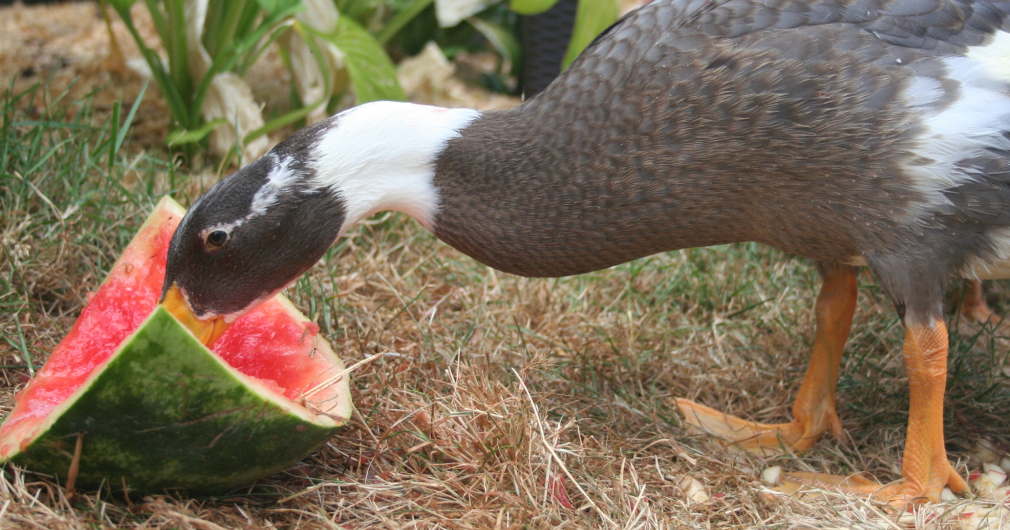
Good treats but remember, not every day, only occasionally: Broccoli, cucumbers, corn but not frozen, peas not frozen, kale, romaine lettuce, sliced apples, no seeds or core, pumpkin chopped, grapes chopped, watermelon, berries- raspberry, blackberry, strawberries and blueberries, cantaloupe and bananas.
**The Vet Corner groups encourage members to establish a relationship with their local veterinarian, don’t wait until an emergency.**
© 2014-2025 Rural Veterinary Outreach. All Rights Reserved.
 RVO Vet Corner Files