In collaboration with Allie Krapiec
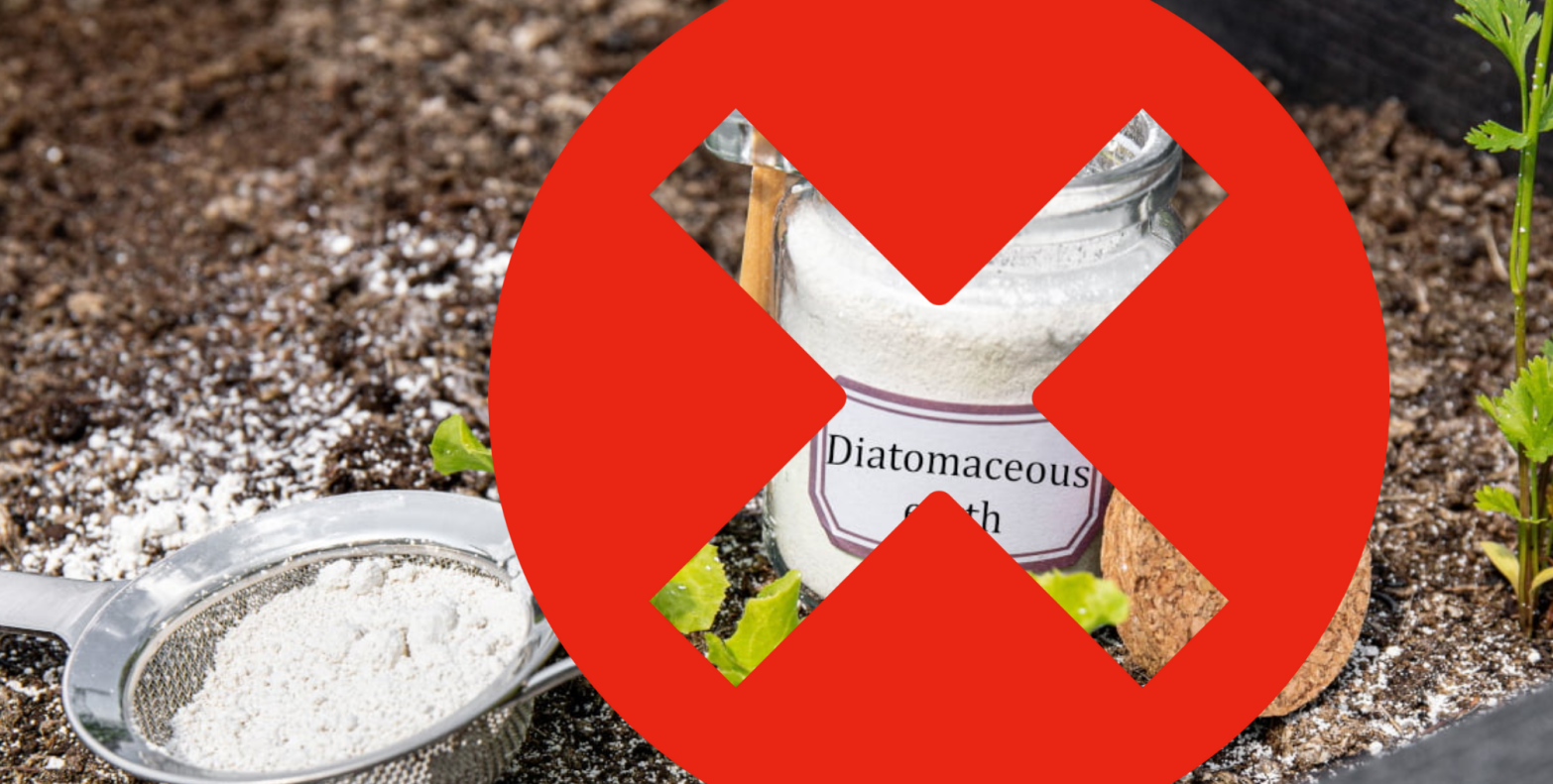
Using diatomaceous earth (DE) in chicken dust baths is common, but it has real risks for both chickens and humans, especially depending on the type and how it’s applied.
Diatoms are single-celled algae that inhabit streams, lakes, oceans and other waterways. Fossilized diatoms, whose cell walls are made of silica, are used to make a fine powder called diatomaceous earth (DE).
Food-grade DE is typically used to sprinkle on vegetable and fruit gardens to help prevent insects from infesting crops. It’s more of a home and garden type situation.
The small particles of DE actually look like shards of glass when examined under the microscope. A flea that ingests diatomaceous earth supposedly will be torn apart, DE supposedly causes insects to dry out and die by absorbing the oils and fats from the cuticle of the insect’s exoskeleton. Its sharp edges are abrasive, speeding up the process.
From our AC Allie Krapiec
How DE Works Against Bugs
The mechanism is mechanical, not chemical.
1. Microscopic Razor Blades: Under a microscope, DE looks like jagged shards of glass. These sharp edges cut into the exoskeletons (outer shells) of insects like mites, lice, fleas, and ants.
2. Desiccation (Drying Out): DE absorbs the wax and oils from the insect’s outer shell. Without that moisture barrier, bugs dehydrate and die of water loss, usually within 12–48 hours. DE must be dry to work. Wet DE is ineffective until it dries out again. It is most effective on soft-bodied or small hard-bodied insects.Does not distinguish between good bugs and pests—can kill beneficial insects like bees or springtails.
Veterinarians generally advise against the use of DE for lice and mites and say to not apply diatomaceous earth directly to any animals. It is not effective for mites and lice and when used in this manner and could potentially result in lung damage if inhaled and severe respiratory distress.
Here is a file on recommended treatment for lice: Lice and Chickens
Here is a file on recommended treatment for mites: Mites and Chickens
Allie breaks down the concerns for both chickens and humans:
Why This is a Problem for Chickens (and Humans)
The same cutting and desiccating action that kills bugs can also irritate eyes, lungs, and skin. When inhaled, those tiny glass-like shards can embed in soft tissues of the lungs, especially dangerous for chickens with delicate airways. Chronic exposure can lead to respiratory inflammation or, in humans, silicosis (if using pool-grade DE or inhaling too much of even food-grade dust over time).
Dangers to Chickens
1. Respiratory Irritation or Damage: Main Concern: Inhalation of fine DE dust, especially food-grade or amorphous DE (which is still sharp microscopically), can irritate chickens’ delicate respiratory systems. Chickens have very sensitive lungs (they lack a diaphragm and have air sacs), and prolonged exposure can lead to:
Sneezing or coughing
Inflammation
Chronic respiratory disease2. Eye Irritation: Fine dust can get into their eyes during dust bathing, causing:
Redness
Excessive blinking
Possible scratching or infection3. Overdrying of Skin and Feathers: DE is extremely desiccating (it dries out fats and oils). It can dry out the chicken’s skin and damage the protective oils in feathers, potentially:
Causing brittle feathers
Slowing molting or feather regrowth
Leading to itchy or flaky skin
Dangers to Humans
1. Lung Damage from Inhalation. Inhaling DE dust can lead to:
Throat irritation
Coughing or wheezing
In severe or repeated cases: silicosis (lung disease from long-term silica exposure)
Risk is higher if using pool-grade DE (which is crystalline silica and dangerous—never use this type with animals).2. Eye and Skin Irritation. It can cause:
Red or itchy eyes
Dry or cracked skin with frequent handling3. Mess and Long-Term Exposure. If used indoors or in poorly ventilated spaces (like some coops), it can linger in the air and become a chronic irritant for both you and your birds.
DE is thought to work by drying out and abrading the exoskeleton of insects, but its efficacy is questionable.
Allie shares some alternatives:
Safe and Effective Dust Bath Alternatives to DE
🟤 Base Substances (Make up the bulk of the bath)
These are non-toxic, absorbent, and satisfying for chickens to roll and scratch in.
1. Dry Dirt or Soil: Use loose, dry soil from your yard or garden (avoid treated soil). Sift it if it’s clumpy. Natural and instinctive for chickens.
2. Play Sand or Construction Sand (Washed): Very popular and easy to clean. Don’t use silica sand or fine “sandbox sand” (can cause respiratory issues). Coarser “builder’s sand” is ideal.
3. Wood Ash (from hardwoods only) A traditional, natural parasite deterrent. Must be completely cool, clean, and free from lighter fluid, paint, or treated wood. Contains potassium and calcium carbonate, which may help repel pests.
🌿 Additives (To boost pest control, skin soothing, or scent)
Use in small amounts mixed in, about 1–2 tablespoons per square foot.
1. Herbs That Deter Mites and Lice
Oregano – antibacterial, antifungal, and anti-parasitic
Lavender – calming and deters pests
Mint – cools and repels insects
Rosemary or Thyme – great for respiratory and pest deterrent.
2. Sulfur Powder (optional, advanced users only). A strong but natural mite deterrent. Use with caution, very sparingly (can irritate lungs or eyes in high amounts). Consult a vet if unsure—best as a spot treatment, not free use.
3. Wood Charcoal (Crushed finely) Adsorbs toxins and can help with odor and moisture. Must be clean and not chemically treated.
4. Kaolin Clay or Bentonite Clay (Optional) Helps absorb oil and moisture, and can smother mites. Mix in small amounts, as fine particles may cause dust if used excessively.
What about worms?
From our vet Dr. Pylman: ACV, DE, and garlic don’t do anything for worms ( garlic carries a risk of causing anemxxia). Good husbandry and nutrition are the best preventatives ( keep feeders and waterers clean, keep manure picked up, etc). Genetics play a big role too. Staggering treatment can prevent total egg loss, or treat during molt. Or best way, run fecals and only treat affected birds.
The most common worm you actually see is roundworms. Wazine gets them well. Do not switch families of dewormer unless you have documented resistance. Doing it just because increases the development of drug resistant worms on your farm. Wazine is usually twisted in 2-3 weeks ( see the label). It is off label in layers so needs a vet involved and appropriate withholding time, especially if selling eggs.
Other options include Fenbendazole (safe-guard), Pyrantel, or Ivermectin but they all have withdrawal times too ( 8 weeks for Ivermectin). Dosing information in our medicine cabinet.
Additional resources:
NPIC Diatomaceous Earth Fact Sheet
http://www.cdc.gov/niosh/docs/81-123/pdfs/0552.pdf
ATS Journals – Radiographic Evidence of Silicosis Risk in the Diatomaceous Earth Industry
Science Direct – Poultry Science
Here is another article, it pertains to goats, but information is valid for all species
Maryland Small Ruminant Page – Diatomaceous earth (DE)
**The Vet Corner groups encourage members to establish a relationship with their local veterinarian, don’t wait until an emergency.**
© 2014-2025 Rural Veterinary Outreach. All Rights Reserved.
 RVO Vet Corner Files
One thought on “Diatomaceous Earth (DE): What To Know”
Comments are closed.