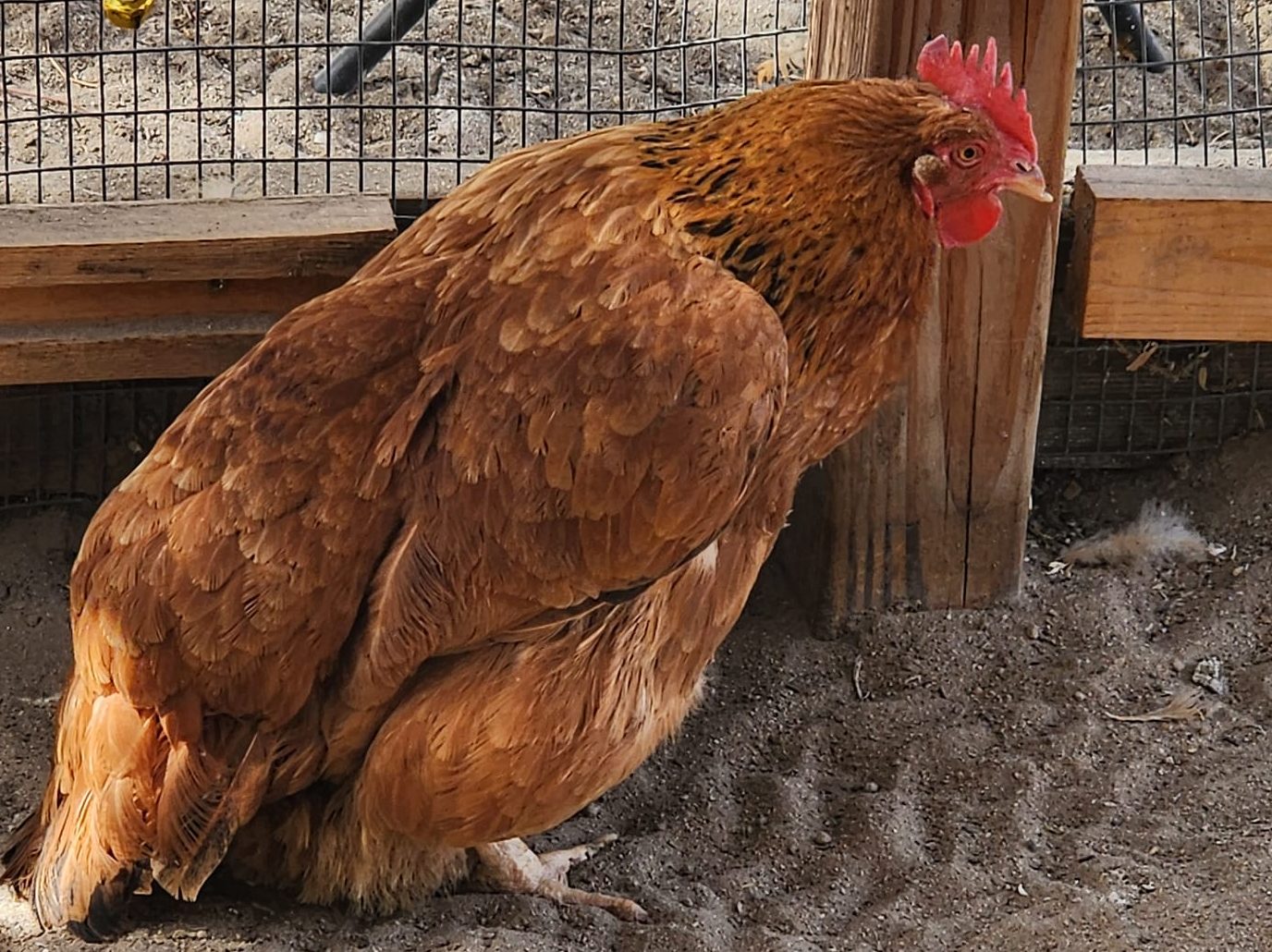
In collaboration with Elena Johnson, CVC AC
Ascites Syndrome refers to right heart failure and valvular insufficiency, due mostly to pulmonary hypertension. It’s one of the most important causes of mortality in broiler chicken flocks. This is a cardiovascular disease unique to broilers, and it’s directly linked to rapid growth rate. Their internal organs cannot meet the increased metabolic demands required by their large bodies. Environmental factors that contribute to Water Belly are: high altitudes, stress, overcrowding, poor ventilation, feed management.
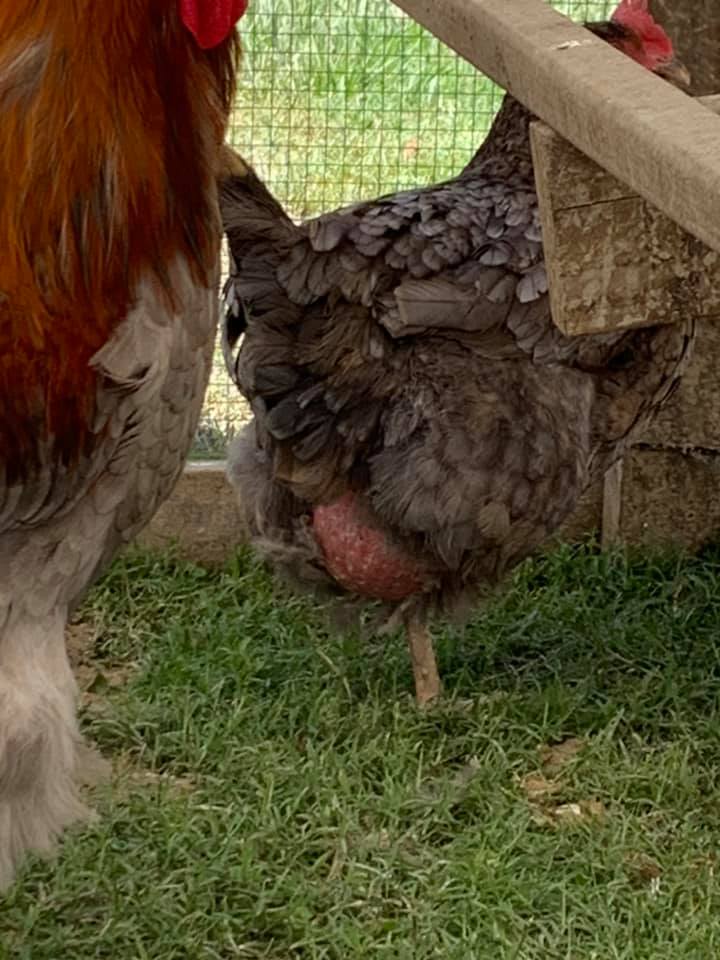
Diagnosis: Abdominal fluid analysis where fluid is usually clear, xRays, electrocardiopathy or an ecocardiography.
Symptoms: abdominal distension, difficulty breathing, cyanosis or lethargy. Hypertrophy and dilation of the right ventricle with (or without) accumulation of straw-colored ascitic fluid in the peritoneal cavities, generalized passive congestion, hydropericardium (protein clots) and fibrotic liver.
Prevention: lowering oxygen requirements by slowing metabolic rate, while maintaining feed efficiency. Some have found reduced feedings 2-3 times a day instead of once a day helps keep birds from over eating and reduces obesity issues. Clean, well-ventilated coops will reduce the chances of respiratory infections and a well-balanced formulated diet with free ranging will keep them more fit with exercise and help keep their weight in check.
Treatment: There is no cure for Ascites Syndrome. Some studies have shown that tumeric, vitamin C or vitamin E can help. Many owners of older birds choose to humanely euthanize to end their suffering. In young birds, the fluid may be drained and in milder cases will not return for 2-3 months. If you catch it early, they may be able to live a long life but if it is advanced, most cases don’t have a high recovery rate due to infection and organ shut down. In those cases, euthanasia is recommended.
You may be advised to drain the belly, however this is very controversial as it can be considered just prolonging the bird’s suffering by sacrificing quality of life. BEFORE considering draining please have your bird assesed by a vet and discuss this with them. Here is a video on how to perform a drain. PLEASE NOTE: Vet Corner groups recommend using gloves. The fluid should be pale yellow when drained. Clear fluid is a sign of kidney shut down, green or black is sign of significant infection which should be seen by a vet asap.
References:
Avian Disease Manual: Seventh Edition, MSD Veterinary Manual, https://poultrydvm.com/condition/ascites-syndrome
**The Vet Corner groups encourage members to establish a relationship with their local veterinarian, don’t wait until an emergency.**
© 2014-2025 Rural Veterinary Outreach. All Rights Reserved.
 RVO Vet Corner Files
You must be logged in to post a comment.