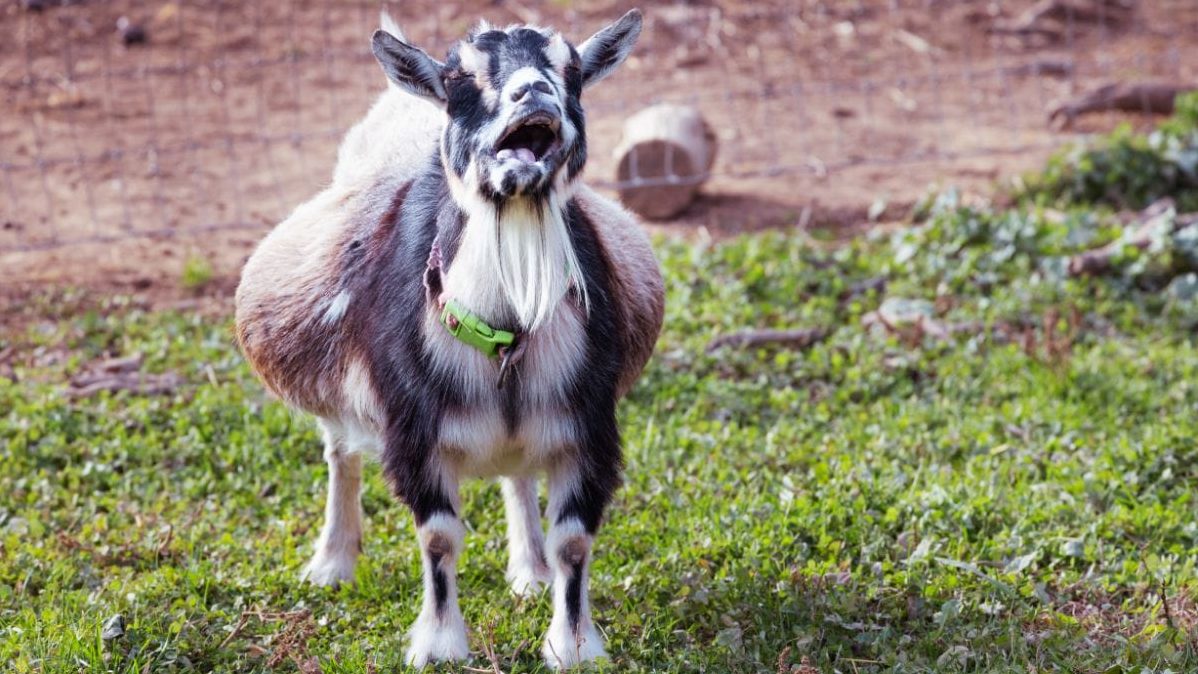
By Deb Haines The lactating doe has very high nutrient requirementsDoes should be fed at a maintenance level when they are dry and during the first two thirds of their pregnancy. As the doe goes through pregnancy her requirements will begin to increase during the last third of her pregnancy. It is critical to provideContinue reading “Requirements For The Pregnant And Lactating Doe”
Category Archives: Goat Vet Corner Files
The “Bump” Or “Bounce” Method On A Pregnant Doe
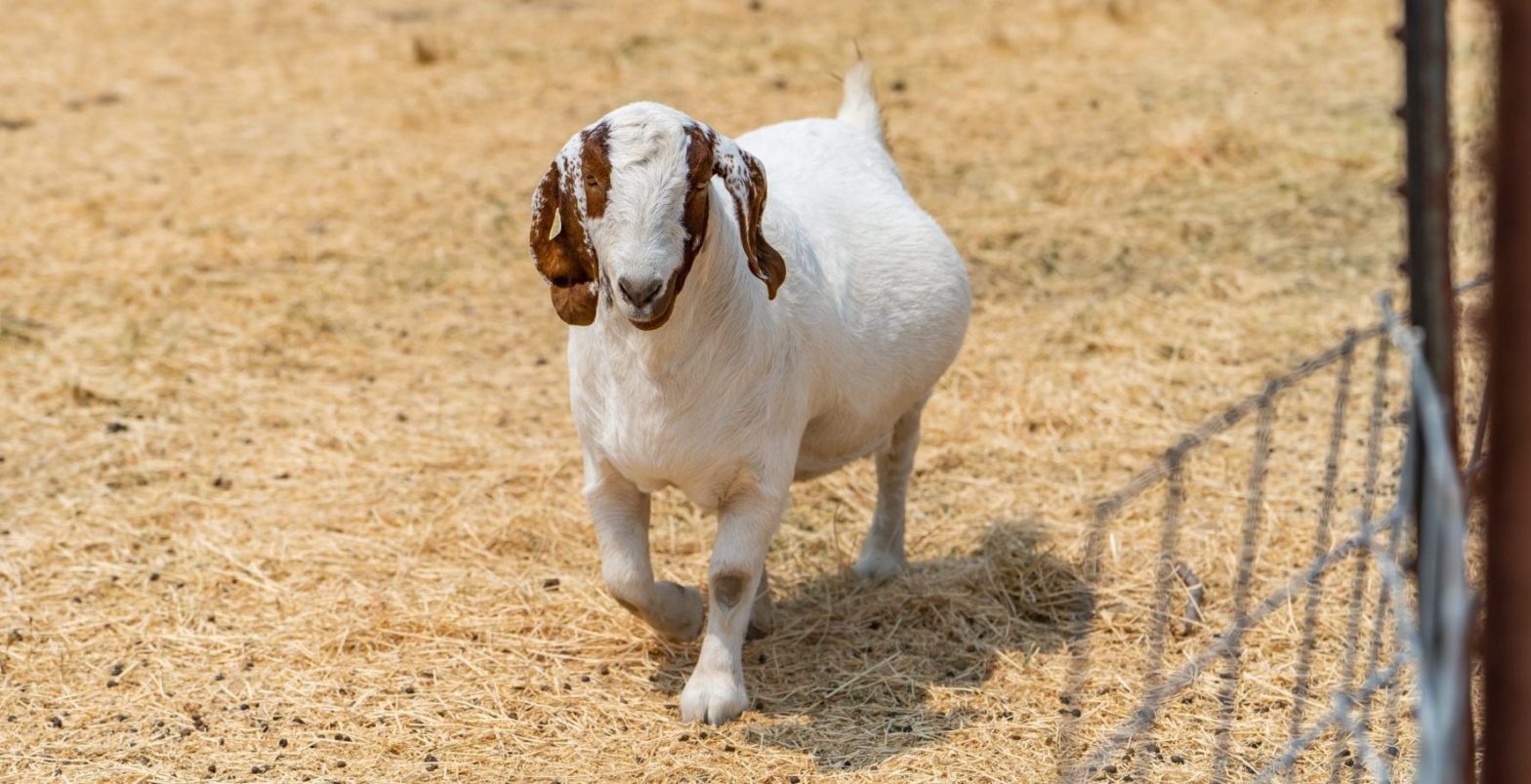
By Deb Haines Being present at the birth of goats kids is always rewarding and many times a frightening affair. While majority of goats give birth in a timely manner, they often break in between kids, making it difficult to know when birthing is completed. Fortunately, there is a method called “bouncing” or “bumping” thatContinue reading “The “Bump” Or “Bounce” Method On A Pregnant Doe”
Lice And How to Treat
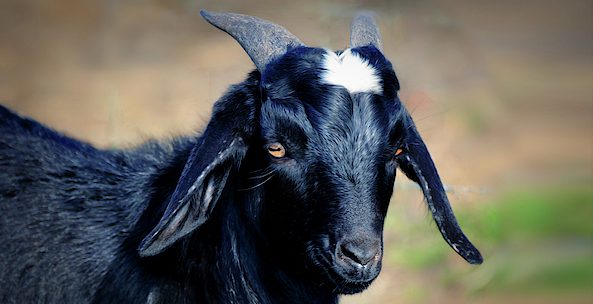
By Deb Haines Lice are divided into two main groups: The Anoplura (sucking lice) and Mallophaga (chewing or biting lice). Biting lice have chewing mouth parts and feed on particles of hair, scabs and skin exudations. Sucking lice pierce the host’s skin and draw blood. Louse-infested animals may be recognized by their dull, matted coatContinue reading “Lice And How to Treat”
Toxic/harmful plants to goats and sheep
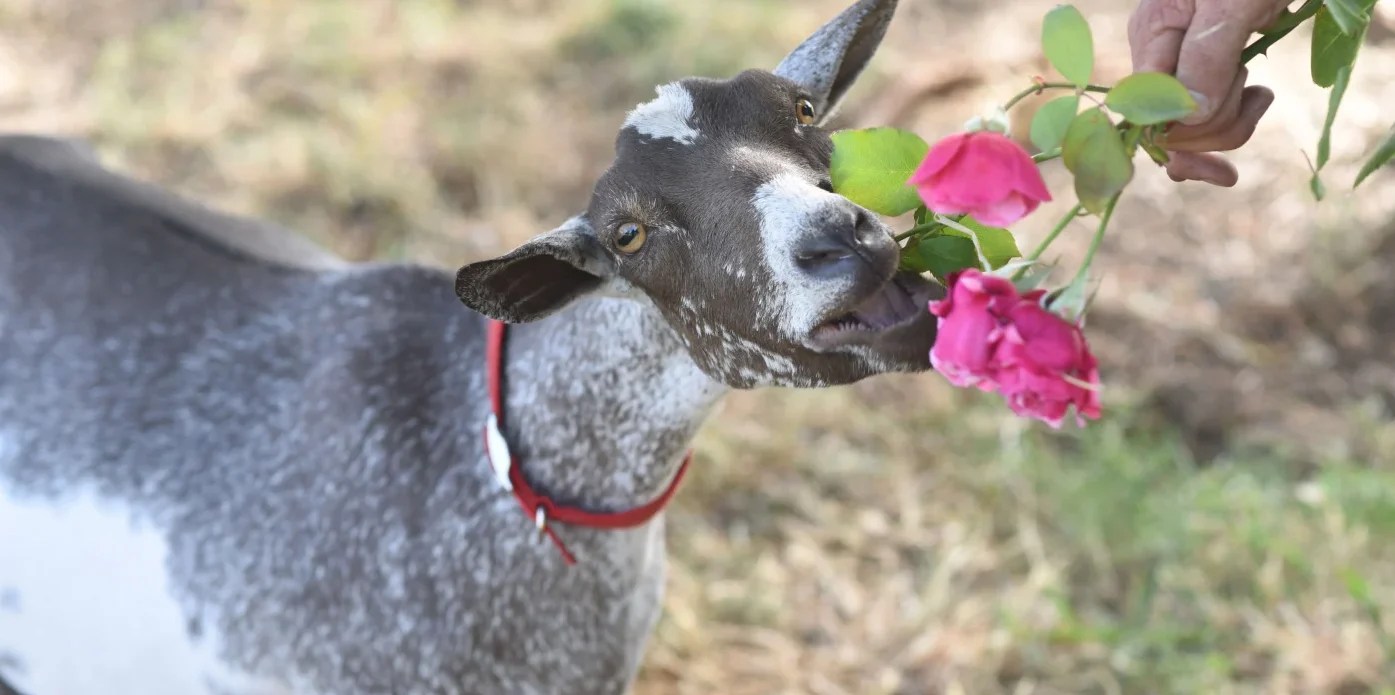
by Deb Haines AZALEA — ( Rhododendron Indica): Azalea Toxicity in Goats. Serious poisoning, even death can result. Azaleas can be toxic to goats, and even a small amount of the plant’s foliage can result in poisoning. The poisoning may be from an animal “browsing” among the azalea or occasionally, poisoning occurs due to well-Continue reading “Toxic/harmful plants to goats and sheep”
Hair loss around the eyes
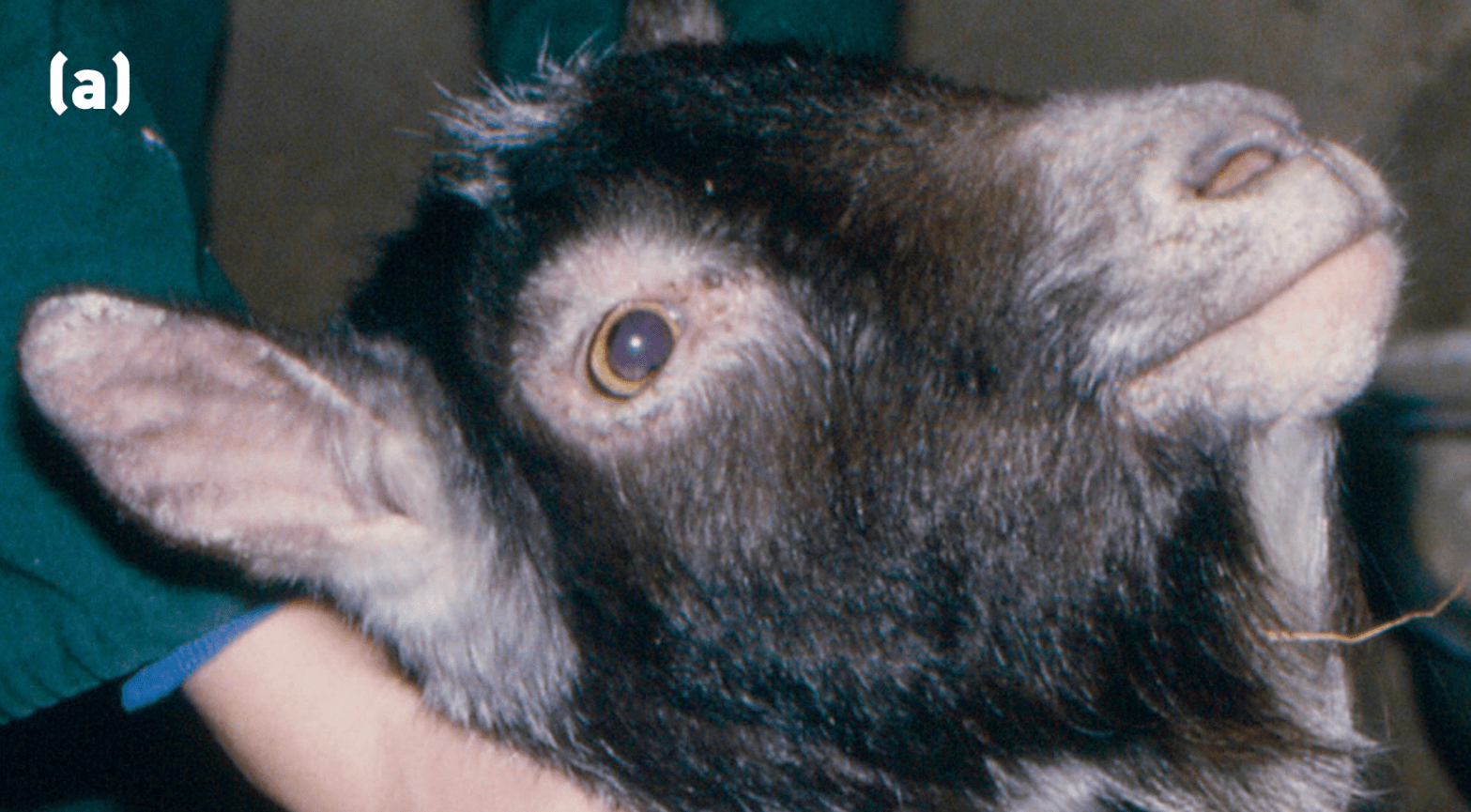
by Ken Brown DVM “Why does my goat have hair loss around her eyes?” Let’s first consider hair in general and how and why it grows the way it grows. When there is a mucus membrane (a moist area) there is no hair naturally, so the edge of an eyelid is not going to have hair.Continue reading “Hair loss around the eyes”
Goat Kid Tips : Winter and Cold kids
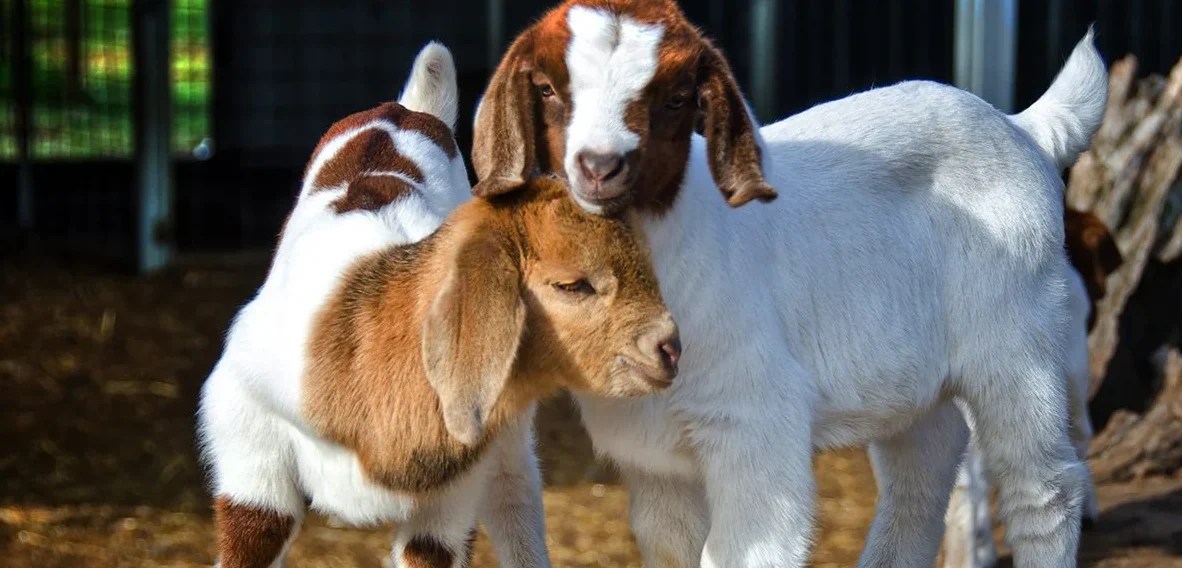
By Deb Haines Winter can be stressful to goats and other livestock, Wind chills and prolonged cold increases their need for shelter, food and water. Now is the time to prepare your farm and livestock for the cold, winter temperatures ahead. A thought out plan for your farm will prepare you for unexpected emergencies and willContinue reading “Goat Kid Tips : Winter and Cold kids”
Serious Illness In Goats: Signs
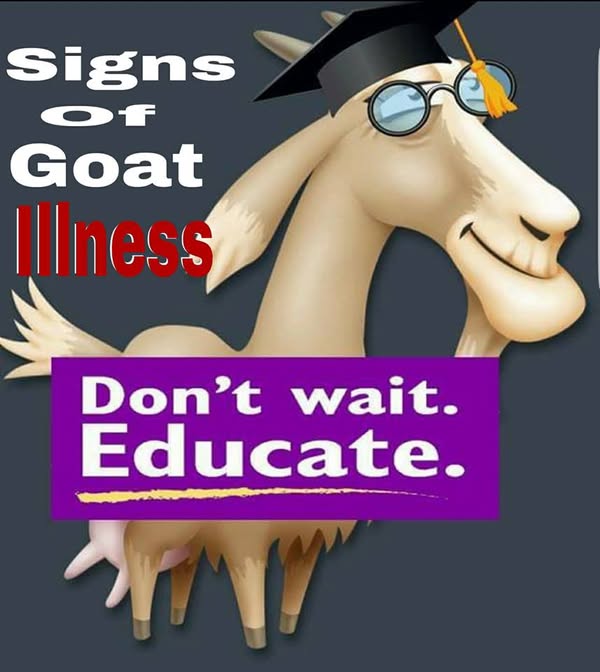
By Deb Haines Healthy goats are usually quiet, yet energetic and playful. They do not cry a lot accept for their normal bleating for food, or the doe in heat and buck during mating times. You will learn these to be the healthy sounds of your goats. Goats that are ill can usually be noticed easily,Continue reading “Serious Illness In Goats: Signs”
Cold Weather: Be Prepared

By Deb Haines Winter can be stressful to goats and other livestock, Wind chills and prolonged cold increases their need for shelter, food and water. Now is the time to prepare your farm and livestock for the cold, winter temperatures ahead. A thought out plan for your farm will prepare you for unexpected emergencies and willContinue reading “Cold Weather: Be Prepared”
Keeping A Sick/Weak/Preemie Goat kid Up Sternal: How To

By Deb Haines Many times we don’t expect to have sick, weak or even preemie goat kids and we are unprepared for them. These kids need to be monitored carefully and kept warm. This is when many find it difficult to keep these weak babies in a sternal ( upright position). Keeping these sick, weakContinue reading “Keeping A Sick/Weak/Preemie Goat kid Up Sternal: How To”
Checking The Ligaments On Pregnant Doe Ligaments: How To

By Deb Haines One of the best ways to identify an impending kidding is to feel the both (two) tail ligaments located on each side of the tail. Goats have two cord-like ligaments that run along each side of the rear portion of their spine towards their tail. Most of the time, these ligaments areContinue reading “Checking The Ligaments On Pregnant Doe Ligaments: How To”
 RVO Vet Corner Files