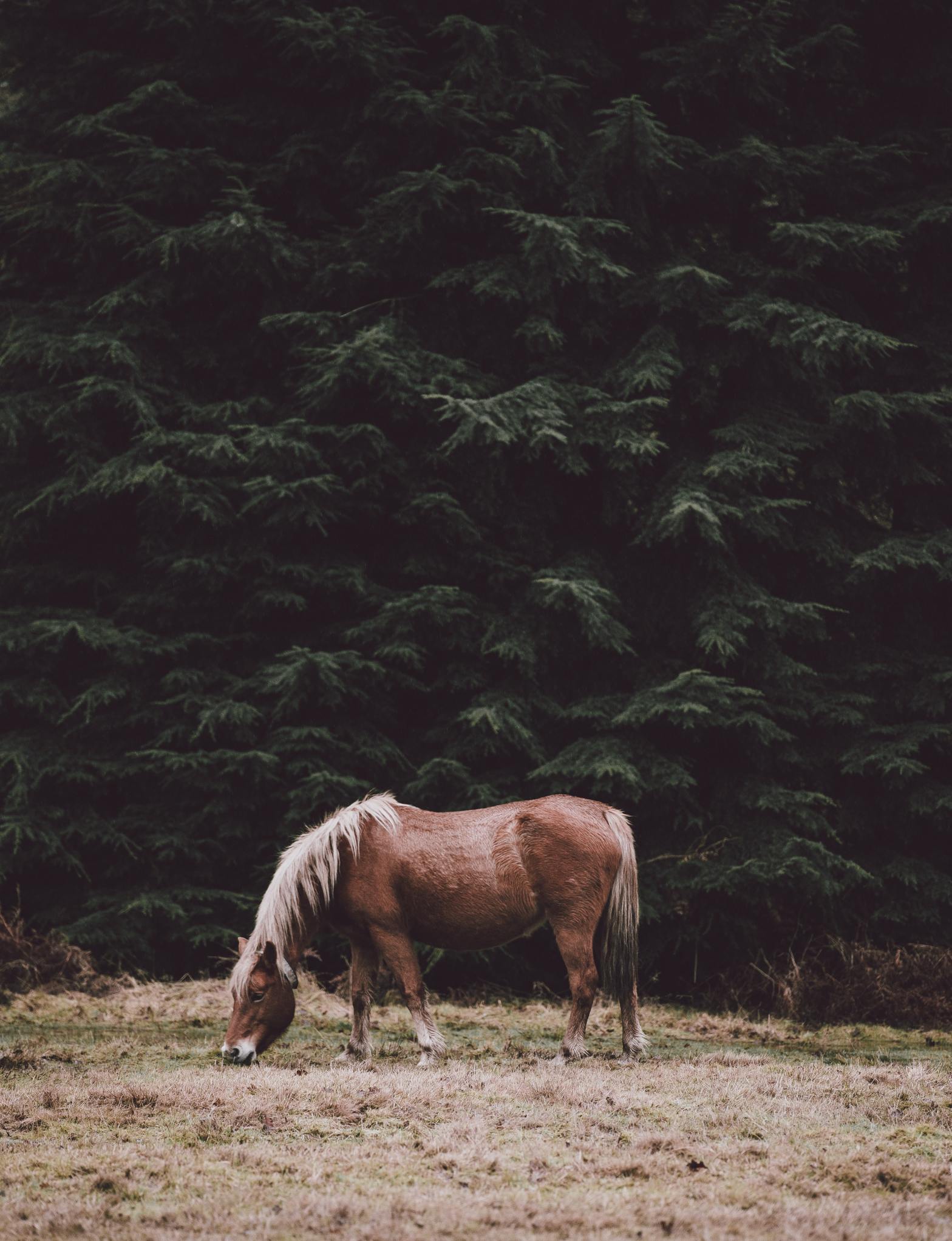
In foals from 1 week to 2 months of age, coprophagia is normal and actually incredibly important. See this article for more information: Coprophagy: Conventional Conduct? – The Horse In adults, coprophagia can be due to behavior (boredom), curiosity, or a lack of minerals in the diet. See this article for more information: Horses withContinue reading “FAQ – Coprophagia – Eating Manure”
Author Archives: RVO
FAQ – Sidewinder Gait/Syndrome
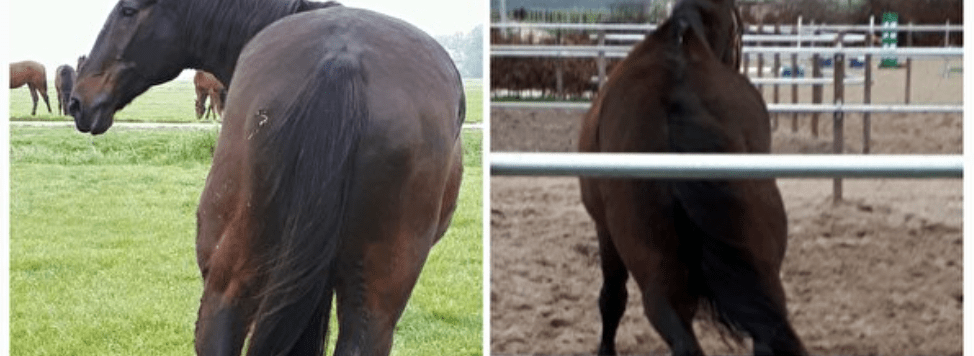
Sidewinder gait is a description of a gait in horses in which the hind end tracks to either side of the body, sometimes resulting in the hind end circling around the front end. It is not a diagnosis but rather a sign of an issue with the musculoskeletal or nervous system. Please have a lookContinue reading “FAQ – Sidewinder Gait/Syndrome”
Hind Gut Ulcers – FAQ
By Dr Benjamin Sykes The first thing to say that hindgut ulcers per se are very rare (despite the aggressive marketing of some supplement companies). Second is that when true hindgut ulcers do occur they are a condition that requires veterinary diagnosis and intervention as they are manifestation of IBD which can be very serious.Continue reading “Hind Gut Ulcers – FAQ”
FAQ – Tick Control
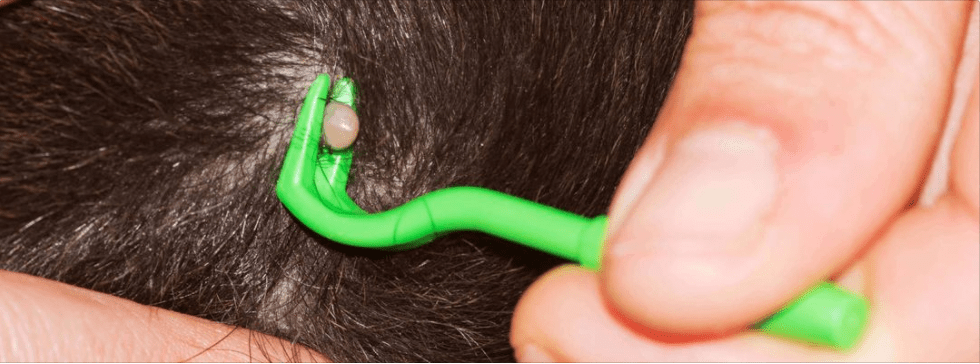
It’s TICK SEASON. How do we control these pesky buggers? Have a look here: Protecting Horses from Ticks – The Horse And here: Tick Control in Horses | AAEP And here: Tick Prevention — Foundation Equine Clinic Some good products to use:– UltraBoss – applied every 2 weeks. Test a small patch of skin toContinue reading “FAQ – Tick Control”
FAQ – Nutrition
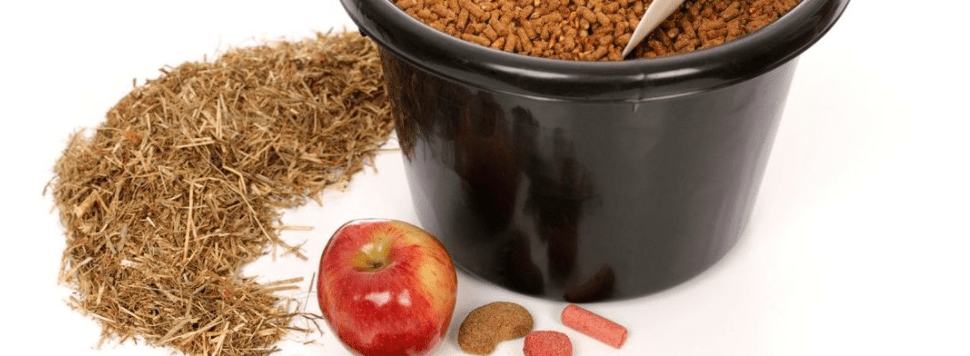
If you are concerned about your horse’s nutrition, it is best to consult with a nutritionist to optimize what your horse is getting. Several options are available to you for nutrition consults:– Your brand of feed may have a nutritionist on staff that can guide you.– If you are a DIY’er, a website like FeedXL.comContinue reading “FAQ – Nutrition”
FAQ – Cribbing
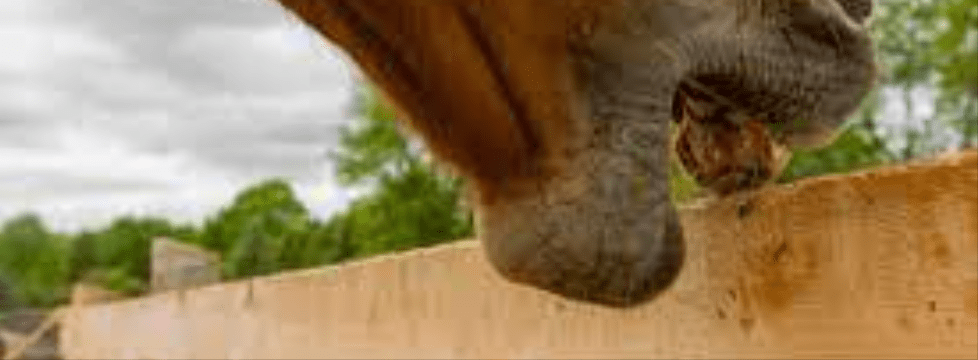
By Dr. Karie Vander Werf & Dr. Teresa Wiley (Teresa Renee) Common Questions & Misconceptions About Cribbing Why do horses crib? Which collar works? How do I stop it? I heard there was a surgery that could be done to stop them? How do I minimize it? Is cribbing “contagious”? Is cribbing hereditary? Cribbing =Continue reading “FAQ – Cribbing”
FAQ – Equine Asthma – COPD – Heaves
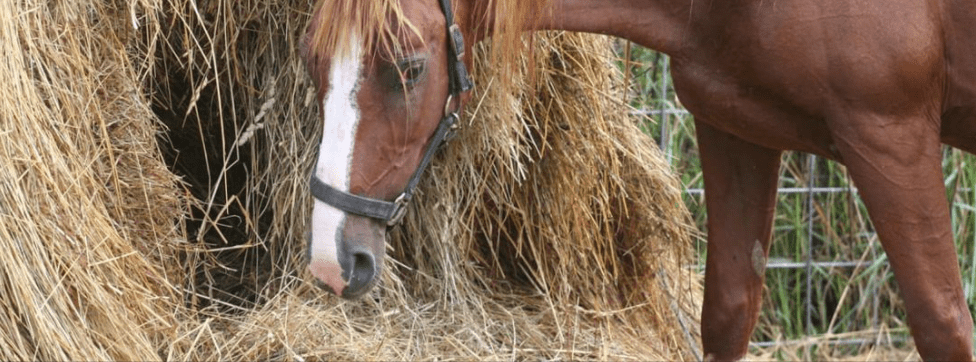
Equine asthma has gone through many names over the years. This is because we are continually learning more about the disease. Originally, it was called COPD as it seemed to mimic the human version of the disease. However, more information came to light and it was changed to RAO – recurrent airway obstruction. Now, it’sContinue reading “FAQ – Equine Asthma – COPD – Heaves”
Colic Treatments: Myth Or Fact?

Colic is the most common medical condition of the horse, comprising up to 50 percent of the medical cases seen by the equine practitioner. Colic is not a disease; rather, it is a clinical sign of a disease. While the term “colic” generally refers to pain originating from the abdominal tract, other diseases—laminitis, foaling orContinue reading “Colic Treatments: Myth Or Fact?”
Ticks: what you need to know

By Deb Haines Ticks are a group of ectoparasites responsible for major losses amongst livestock. Ticks can transmit a number of disease-causing organisms to horses. Two of the most common diseases which horse owners should be aware of are anaplasmosis and Lyme disease. Learning to identify ticks can make a difference. Blacklegged ticks, or deerContinue reading “Ticks: what you need to know”
Internal Parasites / Worms
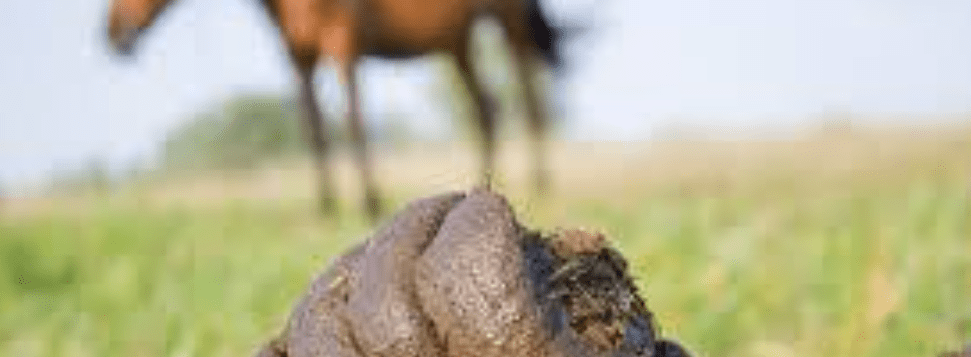
By Deb Haines Equine parasites, usually the eggs or larvae are deposited onto the ground in the manure of an infected horse. Your horse then swallows the eggs or larvae while she grazes in the pasture. These juvenile parasites then mature into egg-laying adults in your horse’s gastrointestinal system. Please read link below to learnContinue reading “Internal Parasites / Worms”
 RVO Vet Corner Files