By Dr. Nielsen.
Author Archives: RVO
FAQ – Deworming
Please note that rotational (every 8 week) deworming is no longer recommended due to parasite resistance issues. Fecal egg counts and strategic deworming is what is currently recommended. Here are some helpful links about deworming your horse: Info on timing of deworming and the “killing frost” myth: The practice of deworming at or around theContinue reading “FAQ – Deworming”
FAQ – Hives
Here are some articles on hives causes and treatments. https://thehorse.com/14663/hives-in-horses-symptoms-and-treatment https://www.smartpakequine.com/content/Hives-in-Horses http://www.ckequinehospital.com/page/165/Equine-Hives Any advice regarding medications such as antihistamines or corticosteroids needs to come from your veterinarian that has a valid veterinary-client-patient relationship with you and your horse. The veterinarians on HVC cannot advise on dose or whether a certain medication is appropriate for yourContinue reading “FAQ – Hives”
Hoof Abscesses: FAQ

By Dr. Alicia Nolfi There are a several common reasons why horses get abscesses. Mechanical reasons would be: excessive quarter loading causing terminal papillae to be stretched and essentially white line disease in the quarters (although we don’t usually call it that, but that’s what happens); White Line Disease at the toe which can beContinue reading “Hoof Abscesses: FAQ”
Podiatry – Hoof Capsule Cracks

By Dr. Alicia Nolfi Everything that we see externally in the equine foot is a direct result of what is happening internally. The foot is a dynamic organ that has suspension and support components working together to achieve stability and movement. When all components of the foot are healthy and have total recall, the footContinue reading “Podiatry – Hoof Capsule Cracks”
Snake Bite Information
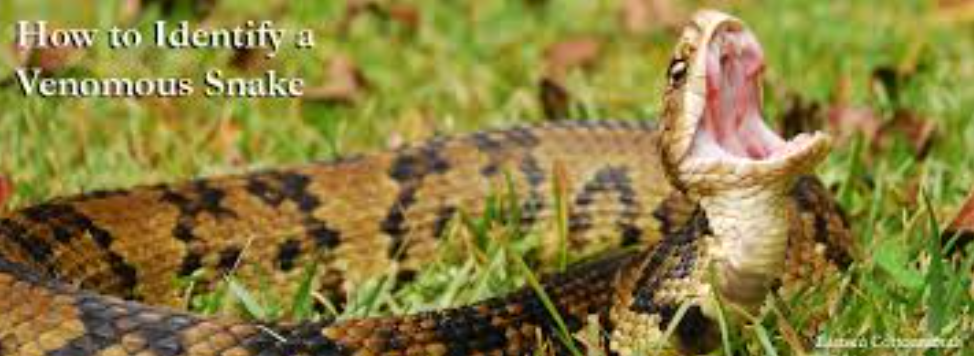
By Deb Haines Of all snake species on the planet only 1/3 of them are poisonous. There are only 4 different types of poisonous snakes in the U.S. They are Cottonmouths, Copperheads, Rattlesnakes, and last but defiantly not the least Coral Snakes. Head Shape: Non-Venomous snakes usually have a spoon-shaped rounded heads and venomous snakesContinue reading “Snake Bite Information”
Sarcoids and Lumps: FAQ

By Dr. Ashley Schofield SARCOIDS Sarcoids are a type of skin tumour in horses, they are caused by the bovine papilloma virus. They are persistent and frequently progress with time. There are some sites that seem to be more commonly affected such as the face, axilla and groin. Whilst it is theorised that these regionsContinue reading “Sarcoids and Lumps: FAQ”
FAQ – Vaccine Reactions
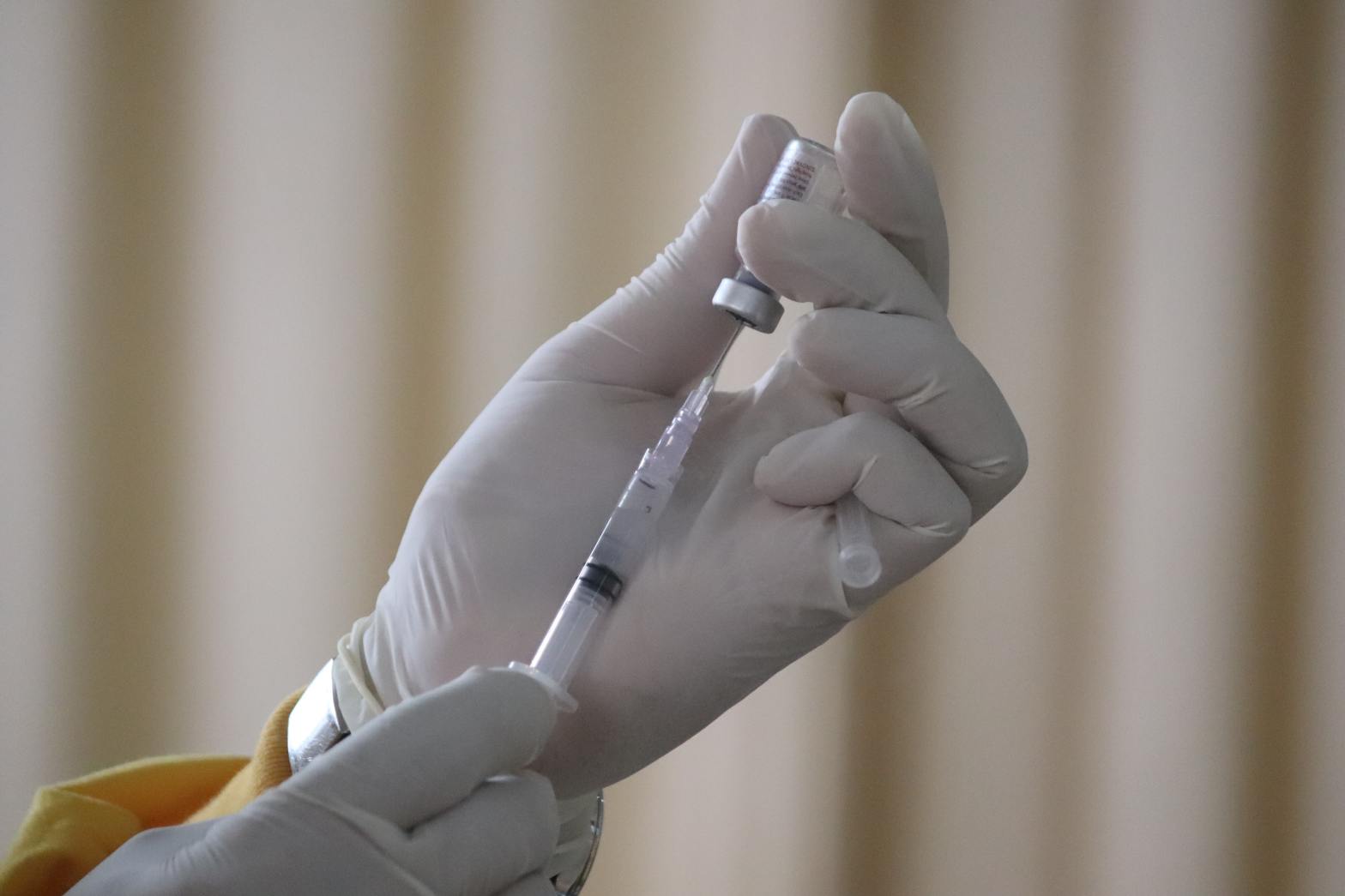
By Dr. Nolfi Vaccinations are a part of horse ownership. In the US, we have core vaccines (ones all horses shouldreceive) and risk-based vaccines (ones that are given based on endemic disease rate, housing situation of the horse, exposure of the horse to other horses, etc). Have a look here for more information about vaccines:Continue reading “FAQ – Vaccine Reactions”
FAQ – Wildfires

What to do for your horse when exposed to wildfire smoke: https://www.vetmed.ucdavis.edu/news/guidelines-horses-exposed-wildfire-smoke https://www.facebook.com/groups/277077519400687/permalink/821564121618688 Evacuating horses in wildfires:https://www.facebook.com/UCDavisVERT/posts/4338771162860788 Nebulization Therapy: Nebulization should only be done at the direction of a veterinarian. Silver has had no controlled or peer reviewed studies in horses to ensure its safety. In fact, reviews of the literature indicate that silver causesContinue reading “FAQ – Wildfires”
FAQ – Overdoses and Overeating
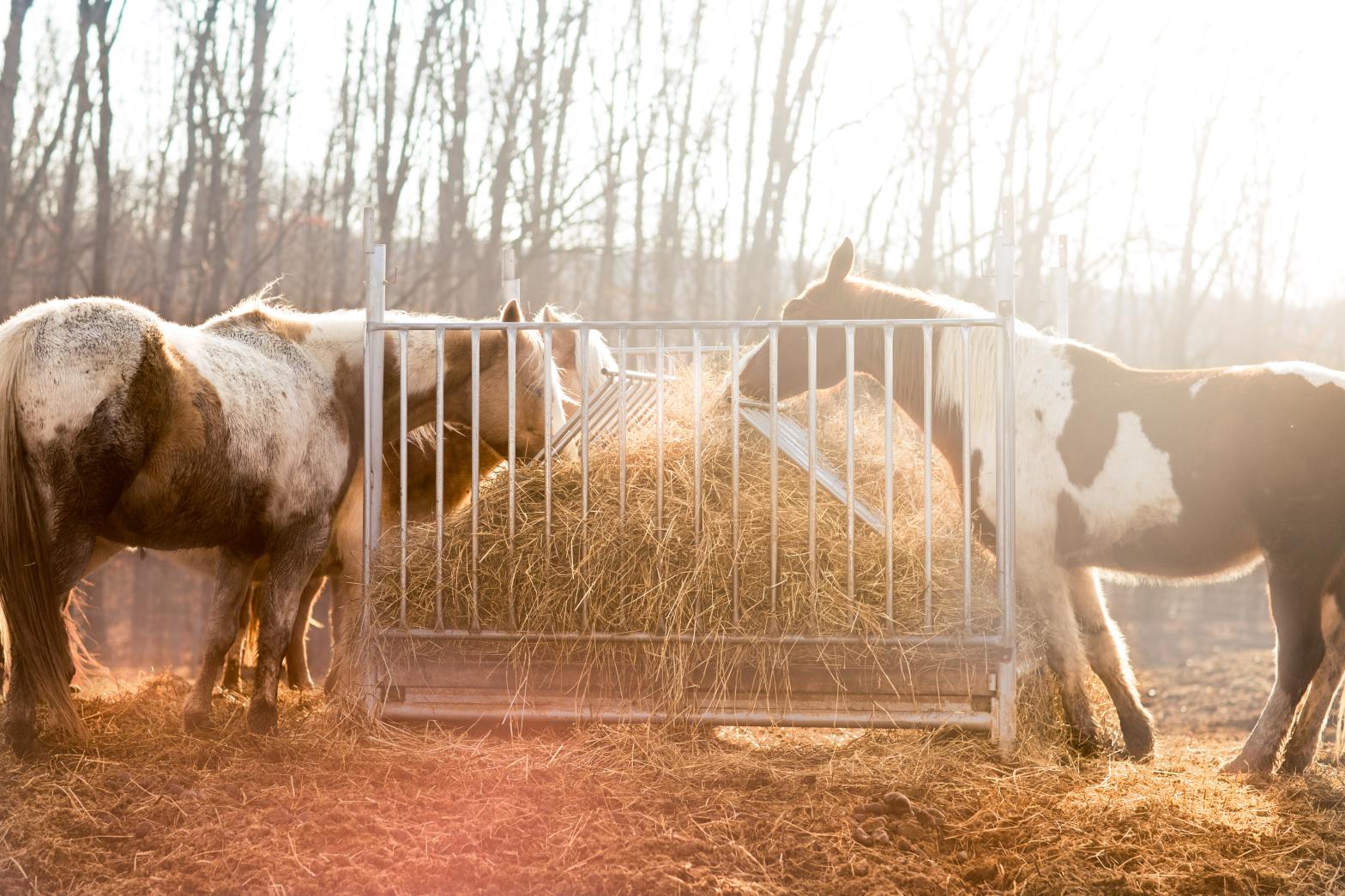
If your horse has been overdosed with something or has gotten into the feed room, here are some recommendations. It is always best to call your veterinarian immediately and not wait for an HVC veterinarian to respond to your post. Common overdoses: – Dewormers: NSAIDS: – Grain overload: 2020 Copyright Horse Vet Corner
 RVO Vet Corner Files