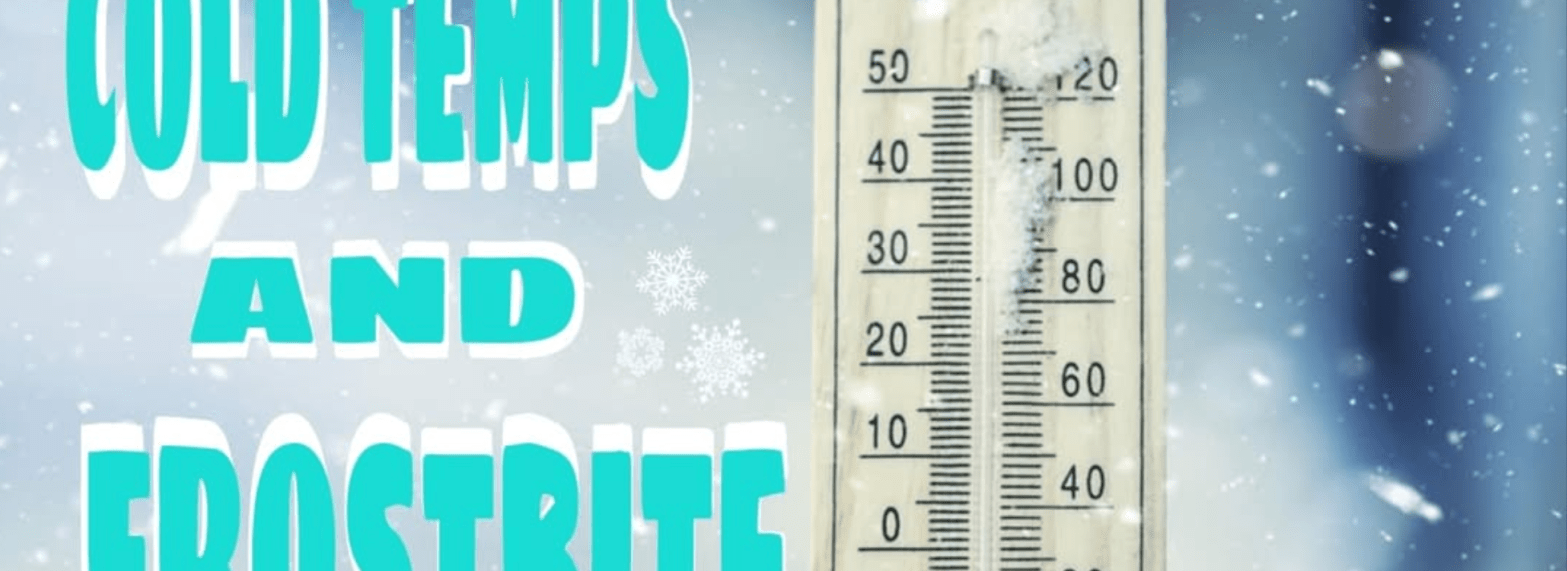
By Deb Haines – Welcome to winter !
Winter can be stressful to goats and other livestock, Wind chills and prolonged cold increases their need for shelter, food and water. Now is the time to prepare your farm and livestock for the cold, winter temperatures ahead. A thought out plan for your farm will prepare you for unexpected emergencies and will keep your goats and other livestock safe and sound throughout the cold winter months.
Learning About Frostbite ……Under normal conditions, blood carries oxygen throughout an animal’s body to keep all tissues healthy. However, if an animal’s body temperature suddenly starts to drop, its blood vessels constrict to keep the animal alive by diverting oxygen-rich blood away from extremities (feet, tail, ears, legs) and toward vital organs (liver, heart, brain, etc.). Lack of blood and oxygen damages tissue cells in deprived extremities, in which ice crystals begin to form. Blood clots may also develop, further reducing circulation to damaged tissues. If the condition persists long enough, dry gangrene (tissue death) can occur, leading to the tissue damage and amputations associated with frostbite.
Newborns
Newborn kids and lambs are particularly vulnerable to frostbite. drying off newborn kids is important especially in cold temps. Drying off kids and lambs as quickly as possible when temperatures are below freezing helps prevent of the risk of hypothermia.
Keep in mind, that if it is windy, and the goats sheep are outside, the kids/lambs can get hypothermia at fairly reasonable temperatures. A kid/lamb can lose the tips of its ears to frostbite in just a few minutes if it’s wet and temperatures are below zero Fahrenheit. It can die from hypothermia fairly quickly at those temperatures when soaking wet hypothermia.
NOTE …. Prevention is the key; wet and cold combined are deadly.
TEATS… be aware of the potential for frostbite on teats your Doe or Ewe. Frozen or frostbit teats generally occur when wet teats are exposed to bitterly cold conditions. Monitor in cold temps.
If dealing with frostbite
Rapidly thaw frost-bitten extremities in warm water at about 101 to <105°F. or take blow dryer and gently dry while kid/lamb is laying on covered heating pad.
Do not rub frostbitten tissues or apply direct heat >105°F because this can damage fragile tissues even more.
Do not bandage the affected areas because this could interfere with circulation. Ears, especially long ears, are most commonly affected.
Questions And Answers
- My buck has I believe has frostbite on back hoof next step ?
Ken Brown DVM …..keep away from the cold and may need to get the two into a warm area to prevent further damage. the extent of the problem will show itself as go along. Frostbite kills cells by having them swell when frozen and then the body starts to wall off the problem – will see a small “edge” where damage stops. no easy fix to it, as the freezing killed the cells and it is then up to the animal to recover. minimizing infection is important. there is no pain associated with the dead cells – they are dead. there may be some pain from the swelling
2) If i think frostbite what do I do first ?
Ken Brown DVM …. if frostbite, you need to be aware the dead tissue will slough and infection becomes a major concern – something to be on the lookout for and be ready to tr
The tissue will typically just slough, infection and any other problems are something to just keep an eye out for … not always going to occur, but neither do you want to assume it will not happen. I totally agree to do nothing is a good option – benign neglect and no creams or other potions and wait and see – been a good tactic so far
3) My Doe has Frostbite on teat with nursing kids
Ken brown DVM …. The damage is not know immediately and need to let it take its course – if the body can, it will wall off the dead tissue
best to get a local vet to check and manage the problem – can be a major issue if goes into the udder and exposes glands and what not cleanliness very important get kid fed is also a concern
4) Nubians ears and frostbite
Dr. M Nanette Chastine ……. Warm the goats up in case of hypothermia. Warm the ears up very quickly to prevent further damage from occurring. Do NOT rub the frostbitten areas as that increases tissue damage. Topical antibiotics such as SSD ointment work well applied frequently in severe cases. . Systemic antibiotics aren’t normally needed unless tissue damage is large with lots of necrotic, dead tissue. Banamine if needed at 1 ml per 100# daily is needed for 3 days. It is very important to prevent further frostbite damage from happening as it will increase the damage with sloughing tissue amounts increased. Monitor does carefully and keep the damaged tissues clean.
5) My Goat kids ears has severe frostbite
Dr. Timothy Miller ……If it is frostbite, the affected areas will probably dry up and fall off if the damage was severe enough. You can apply neosporin to the affected areas If the remainder of the ears swell, become hot and painful, an infection may be developing secondary to the dead tissue at the periphery. The dead tissue may need trimmed and the kid placed on antibiotics.
6) What can be used to help prevent frostbite?
Ken Brown DVM….Some swear that vaseline on ear tips can help
7) Frostbite moving up the legs
Ken brown DVM … legs …. damage is a case-by-case assessment and sepsis is a major problem as the dead tissue advances up the legs. Even humans lose legs over this sort of thing, sometimes their life. Frostbite and secondary gangrene is a deadly disease.
How To Prepare For Winter …… GVC File …… https://www.facebook.com/notes/goat-vet-corner/getting-goats-prepared-for-winter/1848259282087145/
**The Vet Corner groups encourage members to establish a relationship with their local veterinarian, don’t wait until an emergency.**
© 2014-2025 Rural Veterinary Outreach. All Rights Reserved.
 RVO Vet Corner Files