By Deb Haines
The chemicals which make up a hydrogen peroxide solution act as an irritant to tissues they have contact with. When the dog ingests, it irritates the dog’s mouth, esophagus and stomach lining. To exactly what degree of irritation this creates isn’t always stated in literature but this can vary from mild to severe. Because of this irritation, it is thought to be an effective way of inducing vomiting, also known as emesis. Inducing emesis is often recommended as a first line treatment by your Vet following toxin ingestion to initiate gastric decontamination. A side effect to ingesting hydrogen peroxide can include vomiting.
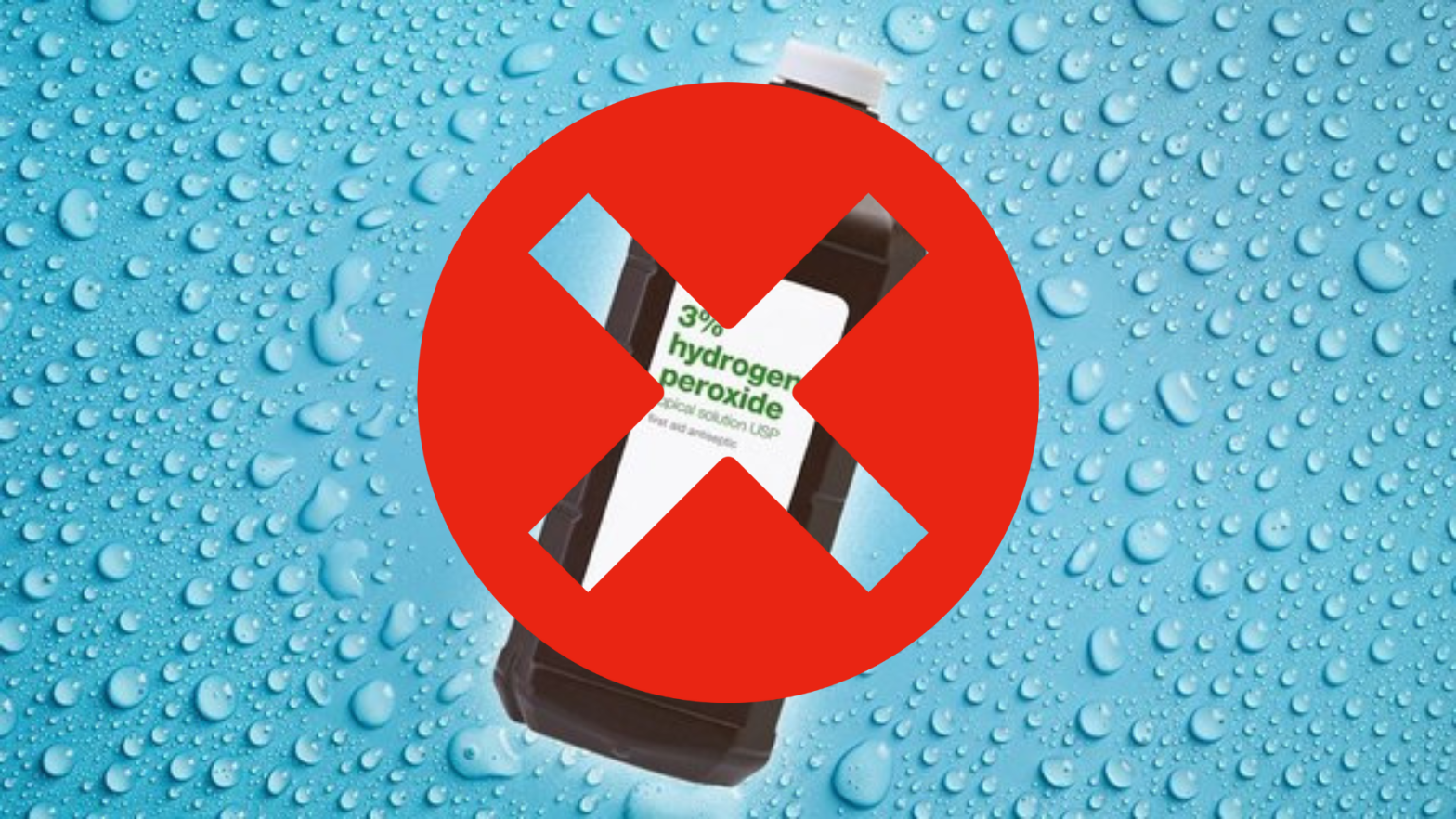
Vets do not usually recommend feeding hydrogen peroxide to your dog anymore? Many online resources state that giving your dog 3% hydrogen peroxide is safe to use, but this is not strongly supported by scientific evidence. Feeding hydrogen peroxide to your dog is not recommended:
In dogs, the side effect to ingesting 3% hydrogen peroxide can be mild, but severe reactions do and can occur. Severe gastritis (inflammation of the stomach) can occur following hydrogen peroxide ingestion and in severe cases this can lead to stomach ulceration, bleeding and even death. It has been documented that pets have sadly lost their lives following catastrophic internal bleeding following ingestion of hydrogen peroxide.
NOTE….Hydrogen peroxide should not be given to cats. It is too irritating to felines and can cause problems with their stomachs and esophagus. Unfortunately, there is nothing that can be given at home to safely get a cat to vomit.
Is Hydrogen peroxide safe for cats?
Pet Poison Hotline
Let’s hear from our PVC Volunteer Vets on the use of Hydrogen Peroxide.
Dr. Lenhard
As a general rule, it’s not a good idea to use hydrogen peroxide at home to induce vomiting in a dog. Peroxide is toxic, and if the dog does not vomit it back up, it can have problems due to the peroxide itself. The best option in cases of potential poisoning is to call the pet poison control number. They have all the data needed to advise you on what to do safely. If you think your dog might need decontamination of the stomach, it’s much safer to take it to the ER or vet to have it done with safer chemicals there, where Iv support can be given
Dr. Schott
It should only be used in very extreme cases by direction of a vet or poison control. Most often I hear of people using it when it is not indicated at all. For example, eating something non-harmful or something that was in a non-harmful dose, or doing it well after it could possibly have any benefit. Once an animal is showing signs of systemic toxicity, the toxin has already been absorbed and vomiting is generally pointless at best, extremely dangerous at worst. There are certain ingested objects or toxins that are at high risk of causing more damage coming back up than in staying where they are. Hydrogen peroxide causes vomiting by damaging the cells lining the stomach. Risk of stomach or esophageal ulceration is high. It tastes terrible and most dogs don’t take it willingly, and forcing any type of liquid into an unwilling animal’s mouth runs a high risk of them aspirating the caustic fluid into the lungs. Aspiration pneumonia can be deadly.
Among the many reasons most vets strongly discourage inducing vomiting at home- risk of aspirating either the hydrogen peroxide or the vomit are high and can cause severe consequences, it gives people a false sense of security when in reality vomiting frequently only brings up a small percentage of stomach contents and a lethal dose of toxin may still be making its way through the GI tract, people waste time fussing about with it at home when time is of the essence with certain toxin exposures, and if unsuccessful may miss the window where vomiting is useful at all, owners may forgo the vet altogether thinking they solved the problem, and very few people actually use it when it is truly indicated.
It should exclusively be used when whatever was ingested is known or suspected to be enough to cause severe problems, ingestion was very recent (under ~4 hours prior), the animal is not showing any symptoms of toxin ingestion yet, it was not a substance or object where vomiting is contraindicated, and it is physically impossible to get to a vet in time. Even then, it is a time-buying solution WHILE the animal is rushed to the vet. If whatever they ate was bad enough to need to use hydrogen peroxide, it’s bad enough to need additional care from a vet, and often gastro-protectant medications for the damage from the peroxide. Essentially, only when the risk of aspirating peroxide or stomach contents into the lung is outweighed by the possible alternatives. It should not be done lightly, and it is never a measure to avoid a vet visit. Unless you live a significant distance from a vet, they should be taken to the vet to induce vomiting, as vets have options that cause vomiting by stimulating the part of the brain responsible for it directly, rather than by damaging the stomach. They can monitor closely while they vomit to minimize risk of aspirating, and they are already in place for any additional care they need.
Of all the in-person and online instances I’ve seen of people inducing vomiting at home, I can think of exactly one time where it was done appropriately. It is VASTLY over-used and over-relied on by owners.
Dr. Patink
It’s not as effective as other medications we have in the vet clinic and it causes so much damage to the esophagus and stomach among other risks that it’s truly an outdated and inappropriate recommendation for the vast majority of situations.
Dr. Hung
Peroxide is an outdated and dangerous recommendation with risk of aspiration and gastric/esophageal ulcers. It is much safer to direct people to the ER for properly inducing vomiting minus the risk of ulcers unless your hundreds of miles away from a clinic without any other options. Inducing vomiting at home is just a bad idea. The foaming will also make endoscopy next to impossible if it’s something that needs to be removed endoscopically.
Dr. Ong
I agree with what the other vets have written. I usually cringe when I read that someone has induced vomiting with hydrogen peroxide. I’ve had two cases where dogs needed extensive hospitalization and treatment, costing thousands, due to peroxide. It can absolutely cause ulcers, in the stomach or esophagus, or get inhaled and cause aspiration pneumonia.
I’ve also seen people induce vomiting when they shouldn’t— inducing vomiting absolutely should not happen, for example, with sharp objects or caustic substances. I recently had a case where the dog ate a human medication that tends to be absorbed within 15 minutes. We would deal with these situations in different ways
Bottom line: please don’t do this at home. If you are worried about something your pet has eaten, get it assessed (this could mean calling pet poison hotline!) and then go to your vet if treatment is needed. There are much safer and more effective ways to induce vomiting.
Dr. Ann
Personally not a fan of this approach as if done incorrectly can lead to aspiration and more serious complications. Giving something orally safely requires the dog to be compliant, and hydrogen peroxide isn’t the most appealing thing for a dog to ingest therefore the dog is unlikely to be compliant when administering. There’s also a huge risk of inducing vomiting depending on what the dog has eaten – is there something potentially sharp? An object that could get stuck in the esophagus? There’s lots of variables which make doing this sort of thing at home unsafe.
Where I practice we always recommend bringing the dog in to induce vomiting with apomorphine if it’s eaten something which is safe to bring back up, as it’s then done in a controlled environment and should anything go wrong there are staff present to intervene.
Is there ever a time to use hydrogen peroxide ?
Dr. Sanchez
Hydrogen peroxide is never recommended….unless your pet ate something that might seriously harm them and you are too rural/away from a vet who can use a safer medication. In a perfect world, we would never use it. Studies have shown that after vomiting hydrogen peroxide, the stomach often has little bleeding ulcers. They can also aspirate and get life threatening pneumonia/lung issues.
And yes, some owners give too quickly or for things they shouldn’t have.
Dr. Ashley
Many posts are made in this group of people inducing vomiting at home for things that either didn’t need to be vomited up in the first place or situations that make it worse.
If a 150# great Dane eats 2 Hershey kisses he does NOT need to have vomiting induced and the risks of hydrogen peroxide are much worse than the chocolate was.
If a Frenchie gets hydrogen peroxide, they could vomit and aspirate at home and end up with severe lung issues. Would I consider telling a client to induce vomiting at home if their dog ate a truly life-threatening dose of something and they were 4 hours away from a vet? Maybe. But that’s almost never the case. More often people are using it inappropriately when it isn’t needed and they are just adding a NEW issue for their dog that wasn’t there in the first place, rather than making the toxicity situation better. Unless expressly instructed to do so by a vet or poison control, I would not recommend deciding on your own to give hydrogen peroxide at home to induce vomiting.
If you think your dog has eaten something toxic, call pet poison control. They will tell you if it’s actually a concern and whether or not you can just monitor at home or if vomiting is needed or if you need to go to a vet.
* ATTENTION *
If you believe your pet has ingested something potentially toxic or seems to be having an adverse reaction to something, please contact your veterinarian or the ASPCA Animal Poison Control Center immediately at (888) 426-4435 for assistance or Pet Poison Hotline (855) 764-7661
*Can you use Hydrogen Peroxide for wound care?
Hydrogen Peroxide delays healing. The cytotoxic effects of hydrogen peroxide can slow down the wound-healing process. When applied to a wound, hydrogen peroxide can also damage fibroblasts, the cells required for wound healing. It damages healthy tissue in the process.
Wounds in dogs can vary in severity and require different approaches for proper care and healing. Every wound is unique, and following proper wound care practices is important for your dog’s well-being.
*Our PVC volunteer vets perspective
Dr. Moats
Peroxide’s only use, in my book, is to remove blood stains. It shouldn’t be used on wounds. It’s painful and it damages healthy tissue. If a wound is dirty or contaminated, the best thing to do is clean it with running water (bathtub, sink, hose, etc) or pour water over it. For daily cleaning, warm water and a gentle, non-abrasive cloth work well.
Dr. Patink
You can use warm tap water and a clean cloth.
You are correct. Definitely do not use hydrogen peroxide. People must stop using that awful stuff!
Dr. Lso
No hydrogen peroxide. It damages tissue and delays healing, and is a pretty poor disinfectant.
Dr. Frenna
Hydrogen peroxide kills healthy cells and will ultimately prevent healing.
Dr. Brothers
My go to is Povidone/Iodine alcohol after the wound has been properly cleaned/washed.
Dr. Mayfield
You can use sterile eye wash which can be purchased at any pharmacy
Hydrogen peroxide damages tissue so while it is good for removing dried blood from around wounds it should not be used on open wounds. Microcyn is, I believe, another brand name for Vetericyn which is one of my favorite products to use on wounds.
Dr. Bloom
I wouldn’t use peroxide on open wounds. It could damage the tissue. You can use a chlorhexidene antiseptic that you can buy at a pharmacy. I’d apply bacitracin to the wounds. It will help them heal.
*Note … DO NOT USE HYDROGEN PEROXIDE ON CAT WOUNDS
It’s not recommended to use hydrogen peroxide on cat wounds due to the risk of ingestion and skin irritation. Always consult with your veterinarian for appropriate wound care.
**The Vet Corner groups encourage members to establish a relationship with their local veterinarian, don’t wait until an emergency.**
© 2014-2025 Rural Veterinary Outreach. All Rights Reserved.
 RVO Vet Corner Files